UNITED NATIONS: Welcoming the latest 550,000 liters of fuel allowed into Gaza, UN humanitarians said on Wednesday that their partners warn the overall volume imported remains short of the bare minimum necessary.
The UN Office for the Coordination of Humanitarian Affairs (OCHA) said the fuel allowed in on Tuesday will help keep basic services running but is far from sufficient.
OCHA said last Thursday's allocation of 2 million U.S. dollars from the OCHA-managed humanitarian fund for the occupied Palestinian territory, along with a recent Qatari donation, were stop-gap measures to fund fuel for Gaza's medical facilities.
"Additional funding is urgently needed to sustain the availability of fuel and prevent a dangerous slowdown of health care, water provision, rescue operations, debris removal and other critical services," OCHA said.
The office said its partners report that the current extensive use of backup generators is unsustainable. Approvals for engine oil, spare parts, solar panels, the entry of commercial fuel and the resumption of operations at the Gaza Power Plant are critical.
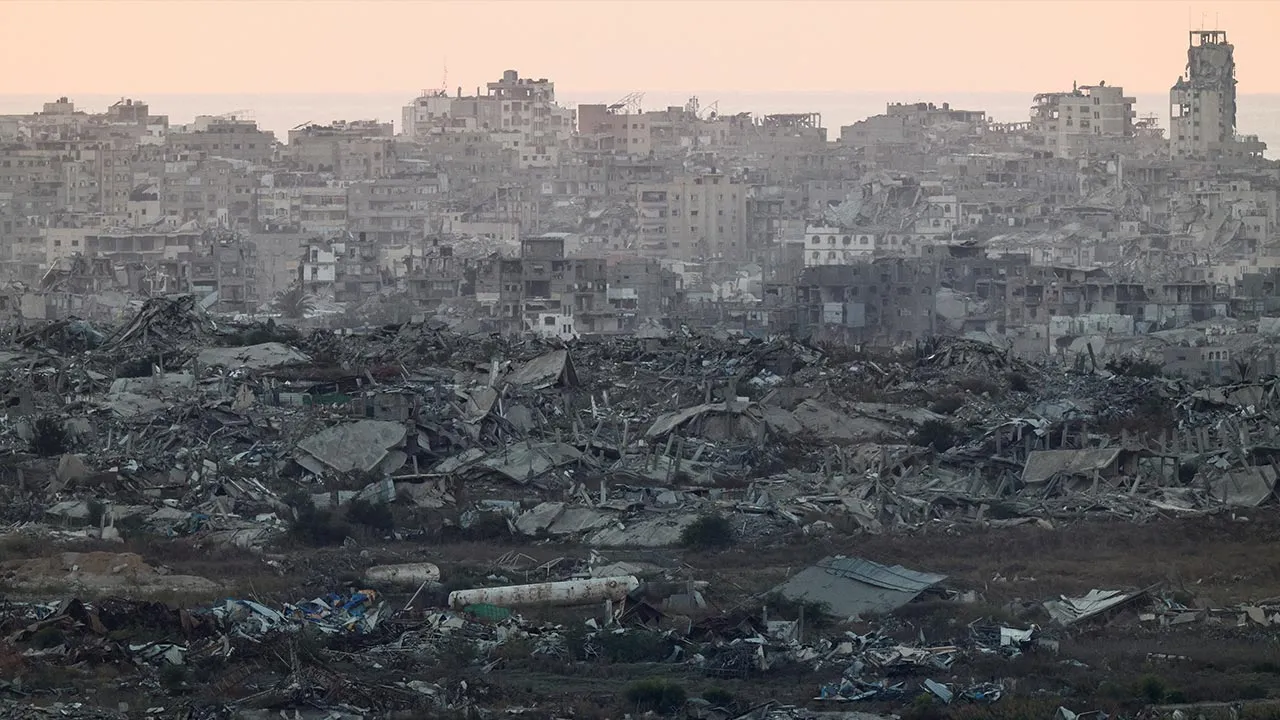
OCHA said that ahead of the rainy season, its partners working on site management reported that 989 of 1,764 sites for displaced people assessed across Gaza are in areas at medium to high risk of flooding. The sites shelter about 1 million people.
"Many displaced families have remained in deteriorating shelters since last winter, with limited protection, inadequate drainage and shortages of mattresses, blankets and other essential household items," OCHA said. "Partners warn that about 400,000 people may need to relocate once heavy rains begin."
The office said that until then, its partners are improving drainage, reinforcing shelters, delivering essential materials and equipment, and trying to help people already choosing to relocate. Still, resources are limited and very little land remains available.