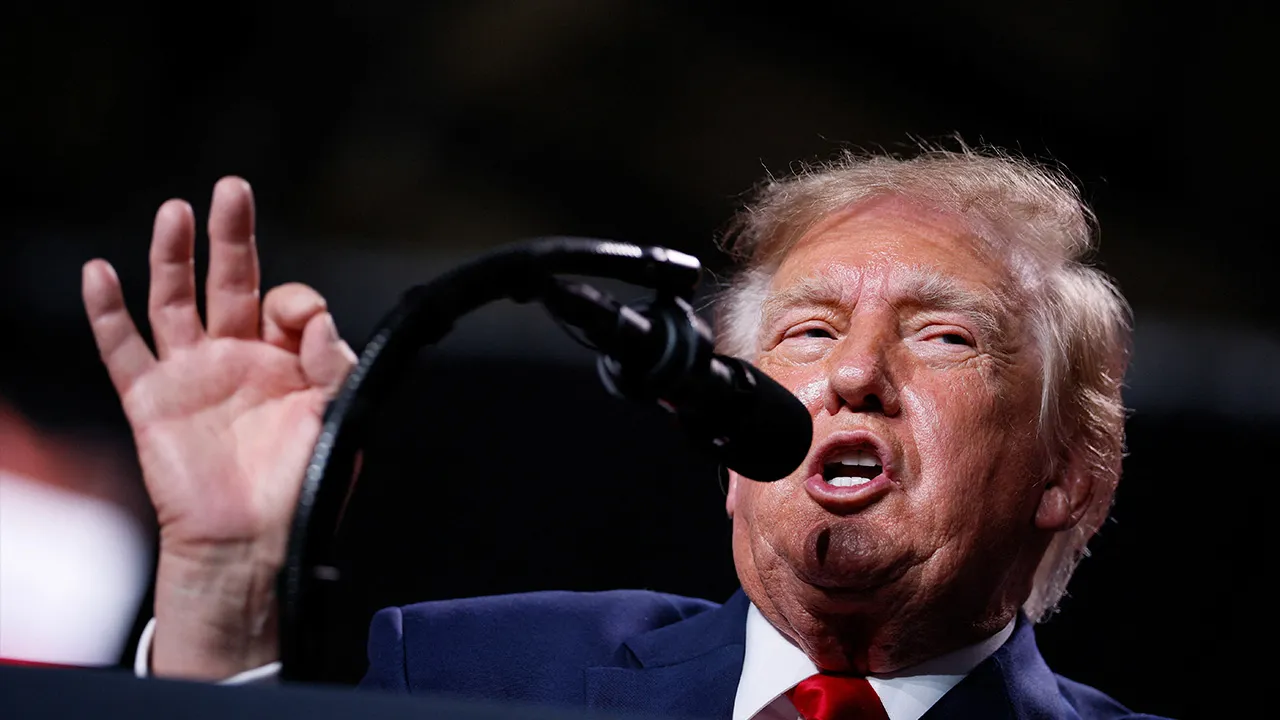

FOR six months, Donald Trump had been demanding that Russia accept a ceasefire in Ukraine.
AI Brief
He spoke of urgency, of deadlines, of “severe consequences” if Moscow refused. Kyiv signalled it was willing to pause hostilities for thirty days, European leaders echoed the call, and the White House seemed committed to the idea that halting the bloodshed—even temporarily—was a precondition to diplomacy. Then came the Alaska summit.
After sitting down with Vladimir Putin, Trump abandoned the ceasefire line altogether and embraced Moscow’s position: no truce until a final settlement is reached, and territorial concessions to Russia are part
of that settlement.
For Ukraine, this abrupt U-turn is more than disheartening. It is dangerous.
It signals that the United States, its most important backer, is prepared to align itself with Russia’s preferred terms. It suggests that the battlefield might be bypassed in favour of Washington’s transactional bargaining with Moscow.
And it reinforces Ukraine’s greatest fear: that the war will not be decided in Kyiv or Donetsk, but in distant capitals where Ukraine’s sovereignty becomes negotiable.
Trump’s shift was not subtle. In March, he had described a ceasefire as “very important.”
By August, after meeting Putin, he dismissed truce arrangements as unnecessary and even counterproductive. Wars, he said, can end without them—claiming that he himself had concluded six conflicts during his first presidency without agreeing to formal pauses.
What matters, Trump argued, is a comprehensive peace deal, even if it means conceding to Russia what it has failed to win by arms.
Putin could hardly have asked for more. Russia’s war aims remain maximalist: the removal of President Volodymyr Zelenskyy, strict limits on Ukraine’s military, and a veto on NATO membership. In territorial terms, Moscow now insists on capturing Kramatorsk and Sloviansk—fortress cities it has failed to conquer since 2014.
Trump, instead of resisting these demands, agreed to validate them as the basis of a new “peace.”
The change in U.S. policy amounts to a concession that Ukrainians see as a betrayal.
For them, a ceasefire—even a flawed one—offered breathing space, the chance to regroup, and a symbol of international recognition that their sovereignty still mattered.
A settlement on Russia’s terms, by contrast, represents surrender disguised as diplomacy. It would hand Moscow through negotiation what its soldiers have been unable to achieve despite staggering losses.
European allies are equally alarmed. Leaders from Britain, France, Germany, Italy, and Finland rushed to Washington after the Alaska summit to reinforce the case for a ceasefire first. They framed their appeal in moral and humanitarian terms—“stop the killing”—but beneath the rhetoric lay a deep strategic concern.
They fear that Trump’s willingness to concede land emboldens Putin not only in Ukraine but across the European periphery.
If Russia can redraw borders by force and then negotiate their recognition, the precedent will undermine Europe’s entire post-Cold War security order.
Germany’s Friedrich Merz reminded Trump that peace built on territorial theft cannot endure. Emmanuel Macron warned that Europe must be part of any talks to prevent deals that exclude those most directly affected.
Yet Trump appeared unmoved. He treated the concerns of European allies as secondary to his conviction that deals are best struck between strongmen.
The Korean analogy has now surfaced in policy debates. Just as the 1953 armistice ended fighting without resolving the division of the peninsula, some believe a Korea-style ceasefire could be the least bad outcome for Ukraine: freezing the frontlines, acknowledging de facto Russian control without ceding legal sovereignty, and preventing further bloodshed.
The ceasefire, though fragile, has lasted in Korea for more than seven decades. Why not in Ukraine?
The answer is that Putin rejects it. He is not interested in an armistice that locks in the current frontlines but leaves Ukraine alive and defiant.
His ambition is to subjugate the country fully, or at least to absorb as much of it as possible into a “greater Russia.”
For Kyiv, this means that even a Korea-style pause, however unsatisfying, is preferable to outright concessions. For Moscow, it is unacceptable precisely because it leaves Ukraine standing.
This is where the fears of Ukraine and the United States intersect. For Ukraine, the fear is abandonment: that allies will trade its land for the illusion of peace.
For the United States, the fear is entrapment: that continued support for Ukraine becomes an open-ended burden in blood and treasure, with no victory in sight. Trump’s flip-flop reflects these American anxieties.
By embracing Russia’s settlement-first logic, he imagines that he can offload the war quickly, declare “peace,” and shift Washington’s attention to Asia or domestic battles.
But this shortcut is built on illusion. History shows that appeasing aggressors does not produce lasting peace.
The Munich Agreement of 1938 bought Hitler time to prepare for larger conquests. The Yalta Conference of 1945 consigned Eastern Europe to Soviet domination for decades. Easy deals in the name of stability often entrench instability. Ukrainians know this from bitter experience.
They understand that survival depends on resisting concessions, not granting them.
Europe, too, remembers. That is why leaders from London, Paris, and Berlin press for a ceasefire—not because they believe it will end the war, but because it will prevent Trump from validating conquest as diplomacy. A truce at least freezes aggression. A settlement that redraws borders rewards it.
Trump’s latest pivot has left Ukraine’s allies frustrated, anxious, and determined to hold the line. They may not succeed.
Much will depend on whether Congress and NATO governments can constrain the White House, and whether Zelenskyy can sustain both the morale of his people and the flow of Western support. What is clear is that Trump’s Alaska reversal has shaken confidence in America’s reliability.
For Ukrainians on the frontlines, it confirms their deepest fear: that their fate may be decided not by their resilience, but by the whims of a U.S. president more attuned to deals than to principles.
The war in Ukraine is not just about land. It is about the rules that govern international order. If Russia is allowed to keep what it has seized, the principle of sovereignty collapses.
If Washington becomes complicit in this collapse, the consequences will not be limited to Eastern Europe.
They will reverberate in Asia, Africa, and Latin America—everywhere that weaker states depend on international law for protection.
Trump’s flip-flop, then, is not just a policy adjustment. It is a signal that America’s commitment to those rules is conditional, fragile, and vulnerable to personal bargaining. For Ukraine, it is a terrifying prospect.
For Europe, it is a strategic nightmare. And for the rest of the world, it is a warning that the credibility of the United States as defender of order is slipping away.
In that fear, Ukraine and America find themselves bound together—trapped between the battlefield and the negotiating table, haunted by the possibility that in the end, peace will be dictated not by justice but by expediency.
Phar Kim Beng, PhD, is Professor of ASEAN Studies and Director of the Institute of Internationaliation and ASEAN Studies (IINTAS) at the International Islamic University Malaysia.
** The views and opinions expressed in this article are those of the author(s) and do not necessarily reflect the position of Astro AWANI.
Your gateway to global news, insights, and stories that matter.

AI Brief
- After meeting Putin, Trump drops support for a Ukraine ceasefire and embraces Russia's demand for territorial concessions.
- Ukraine and European allies fear US alignment with Russia undermines sovereignty and sets a dangerous precedent for aggression.
- The shift shakes trust in US leadership, raising concerns that peace may be dictated by deals, not principles or justice.
He spoke of urgency, of deadlines, of “severe consequences” if Moscow refused. Kyiv signalled it was willing to pause hostilities for thirty days, European leaders echoed the call, and the White House seemed committed to the idea that halting the bloodshed—even temporarily—was a precondition to diplomacy. Then came the Alaska summit.
After sitting down with Vladimir Putin, Trump abandoned the ceasefire line altogether and embraced Moscow’s position: no truce until a final settlement is reached, and territorial concessions to Russia are part
of that settlement.
For Ukraine, this abrupt U-turn is more than disheartening. It is dangerous.
It signals that the United States, its most important backer, is prepared to align itself with Russia’s preferred terms. It suggests that the battlefield might be bypassed in favour of Washington’s transactional bargaining with Moscow.
And it reinforces Ukraine’s greatest fear: that the war will not be decided in Kyiv or Donetsk, but in distant capitals where Ukraine’s sovereignty becomes negotiable.
Trump’s shift was not subtle. In March, he had described a ceasefire as “very important.”
By August, after meeting Putin, he dismissed truce arrangements as unnecessary and even counterproductive. Wars, he said, can end without them—claiming that he himself had concluded six conflicts during his first presidency without agreeing to formal pauses.
What matters, Trump argued, is a comprehensive peace deal, even if it means conceding to Russia what it has failed to win by arms.
Putin could hardly have asked for more. Russia’s war aims remain maximalist: the removal of President Volodymyr Zelenskyy, strict limits on Ukraine’s military, and a veto on NATO membership. In territorial terms, Moscow now insists on capturing Kramatorsk and Sloviansk—fortress cities it has failed to conquer since 2014.
Trump, instead of resisting these demands, agreed to validate them as the basis of a new “peace.”
The change in U.S. policy amounts to a concession that Ukrainians see as a betrayal.
For them, a ceasefire—even a flawed one—offered breathing space, the chance to regroup, and a symbol of international recognition that their sovereignty still mattered.
A settlement on Russia’s terms, by contrast, represents surrender disguised as diplomacy. It would hand Moscow through negotiation what its soldiers have been unable to achieve despite staggering losses.
European allies are equally alarmed. Leaders from Britain, France, Germany, Italy, and Finland rushed to Washington after the Alaska summit to reinforce the case for a ceasefire first. They framed their appeal in moral and humanitarian terms—“stop the killing”—but beneath the rhetoric lay a deep strategic concern.
They fear that Trump’s willingness to concede land emboldens Putin not only in Ukraine but across the European periphery.
If Russia can redraw borders by force and then negotiate their recognition, the precedent will undermine Europe’s entire post-Cold War security order.
Germany’s Friedrich Merz reminded Trump that peace built on territorial theft cannot endure. Emmanuel Macron warned that Europe must be part of any talks to prevent deals that exclude those most directly affected.
Yet Trump appeared unmoved. He treated the concerns of European allies as secondary to his conviction that deals are best struck between strongmen.
The Korean analogy has now surfaced in policy debates. Just as the 1953 armistice ended fighting without resolving the division of the peninsula, some believe a Korea-style ceasefire could be the least bad outcome for Ukraine: freezing the frontlines, acknowledging de facto Russian control without ceding legal sovereignty, and preventing further bloodshed.
The ceasefire, though fragile, has lasted in Korea for more than seven decades. Why not in Ukraine?
The answer is that Putin rejects it. He is not interested in an armistice that locks in the current frontlines but leaves Ukraine alive and defiant.
His ambition is to subjugate the country fully, or at least to absorb as much of it as possible into a “greater Russia.”
For Kyiv, this means that even a Korea-style pause, however unsatisfying, is preferable to outright concessions. For Moscow, it is unacceptable precisely because it leaves Ukraine standing.
This is where the fears of Ukraine and the United States intersect. For Ukraine, the fear is abandonment: that allies will trade its land for the illusion of peace.
For the United States, the fear is entrapment: that continued support for Ukraine becomes an open-ended burden in blood and treasure, with no victory in sight. Trump’s flip-flop reflects these American anxieties.
By embracing Russia’s settlement-first logic, he imagines that he can offload the war quickly, declare “peace,” and shift Washington’s attention to Asia or domestic battles.
But this shortcut is built on illusion. History shows that appeasing aggressors does not produce lasting peace.
The Munich Agreement of 1938 bought Hitler time to prepare for larger conquests. The Yalta Conference of 1945 consigned Eastern Europe to Soviet domination for decades. Easy deals in the name of stability often entrench instability. Ukrainians know this from bitter experience.
They understand that survival depends on resisting concessions, not granting them.
Europe, too, remembers. That is why leaders from London, Paris, and Berlin press for a ceasefire—not because they believe it will end the war, but because it will prevent Trump from validating conquest as diplomacy. A truce at least freezes aggression. A settlement that redraws borders rewards it.
Trump’s latest pivot has left Ukraine’s allies frustrated, anxious, and determined to hold the line. They may not succeed.
Much will depend on whether Congress and NATO governments can constrain the White House, and whether Zelenskyy can sustain both the morale of his people and the flow of Western support. What is clear is that Trump’s Alaska reversal has shaken confidence in America’s reliability.
For Ukrainians on the frontlines, it confirms their deepest fear: that their fate may be decided not by their resilience, but by the whims of a U.S. president more attuned to deals than to principles.
The war in Ukraine is not just about land. It is about the rules that govern international order. If Russia is allowed to keep what it has seized, the principle of sovereignty collapses.
If Washington becomes complicit in this collapse, the consequences will not be limited to Eastern Europe.
They will reverberate in Asia, Africa, and Latin America—everywhere that weaker states depend on international law for protection.
Trump’s flip-flop, then, is not just a policy adjustment. It is a signal that America’s commitment to those rules is conditional, fragile, and vulnerable to personal bargaining. For Ukraine, it is a terrifying prospect.
For Europe, it is a strategic nightmare. And for the rest of the world, it is a warning that the credibility of the United States as defender of order is slipping away.
In that fear, Ukraine and America find themselves bound together—trapped between the battlefield and the negotiating table, haunted by the possibility that in the end, peace will be dictated not by justice but by expediency.
Phar Kim Beng, PhD, is Professor of ASEAN Studies and Director of the Institute of Internationaliation and ASEAN Studies (IINTAS) at the International Islamic University Malaysia.
** The views and opinions expressed in this article are those of the author(s) and do not necessarily reflect the position of Astro AWANI.