
ASEAN hopes to finalise the South China Sea Code of Conduct (COC) before Malaysia hands over the ASEAN–China coordination role in 2026. However, rapidly worsening geopolitical tensions are undermining negotiation efforts. Finalising the COC by 2026 is increasingly unrealistic.
One structural complication stems from the worsening relations between Japan and China. Each time Tokyo and Beijing lock horns—over aerial intercepts, maritime signals, or ADIZ issues—China responds by increasing deployments and construction activities in areas adjacent to Taiwan. Taiwan remains the strategic core of Beijing’s national security. When tensions flare, the sequencing of China’s external commitments shifts. Any legally binding instrument in the South China Sea becomes a constraint on Beijing’s freedom of manoeuvre elsewhere, especially near Taiwan, where China wants maximal latitude. This shift in priority alone delays the COC.
Another problem comes from Washington. The Taiwan Assurance Act 2025, passed by Congress, hardens the U.S. stance on Taiwan at a sensitive moment. Instead of easing tensions, the Act signals Washington’s broader effort to formalise its support for Taipei, which Beijing finds provocative. This gives Beijing less reason to accept limits in the South China Sea while the U.S. boosts Taiwan.
The third variable is the temporary nature of the U.S.–China trade and technology truce. The arrangement lasts only one year, from November 2025. Neither capital is under any illusion that goodwill underpins the deal. Washington is not expected to act politely; Beijing is not expected to be altruistic. Both sides are hedging for a harsher phase ahead. Under these circumstances, it is unclear why Beijing should be the one expected to “play nice” by offering concessions to a constellation of smaller powers in Southeast Asia. A COC requires confidence; the U.S.–China truce instead reflects mutual suspicion.
Fourth, recent U.S. military actions outside Asia cast a long shadow across the region. When the U.S. deployed ten per cent of its naval forces to the Caribbean—conducting airstrikes against Venezuelan targets without formal attribution—Beijing took note. China recognises that its own behaviour in the South China Sea intimidates neighbouring states, especially the Philippines. But it also reads U.S. actions as a reminder that even Washington is willing to act forcefully without international consent. This dual standard reinforces China’s reluctance to bind itself prematurely to any maritime agreement.
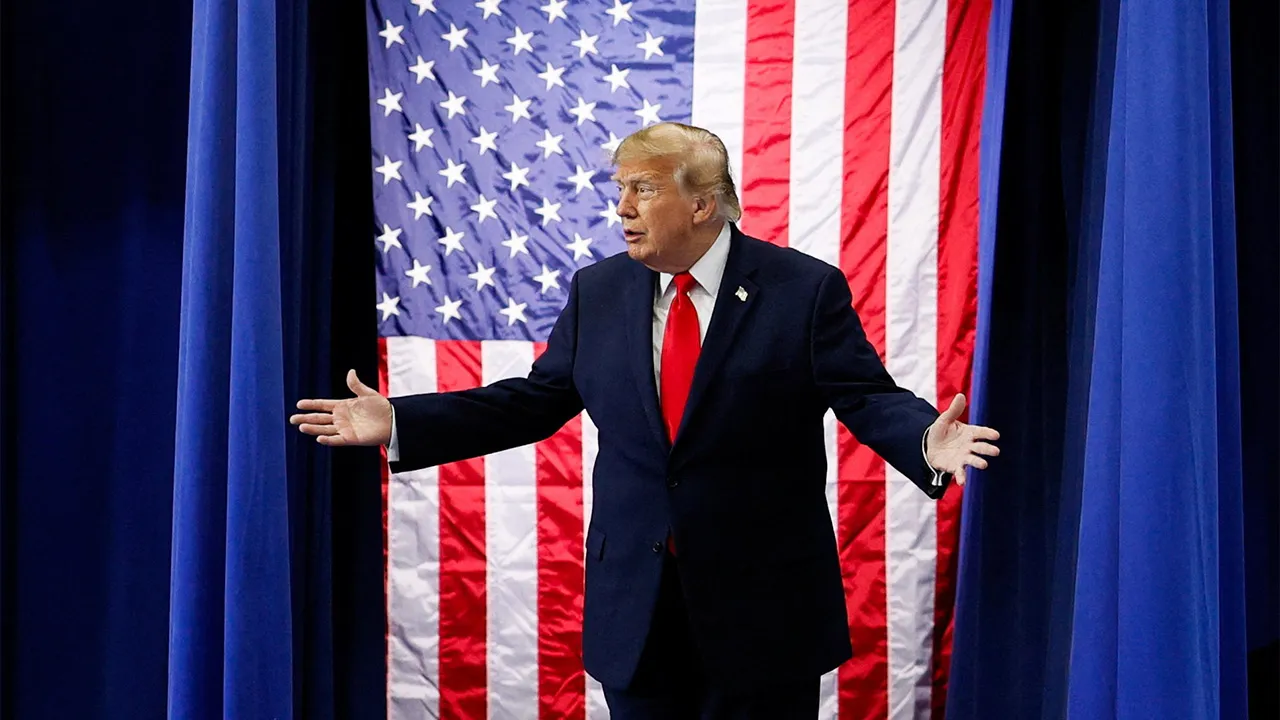
Fifth, China will only know by early-November 2026 if the U.S. Congress will continue to support President Trump and the Republicans. If Republicans stay strong, China expects more confrontation. Given this uncertainty, China prefers delay over making binding maritime or legal commitments. Beijing will wait rather than negotiate under an unpredictable U.S. government.
Sixth, Indonesia—ASEAN’s largest state and a critical player in any South China Sea framework—adds another layer of complexity. President Prabowo’s extensive travels across multiple continents have lacked clear strategic messaging. China is unsure of Jakarta’s long-term orientation, especially given Indonesia’s vast Exclusive Economic Zone, the sixth largest globally after France, the U.S., Russia, the UK, and Australia. Without clarity on Indonesia’s strategic direction, China hesitates to lock in a regional code that Jakarta itself may interpret unpredictably.
Seventh, while Malaysia coordinates ASEAN–China relations, it faces its own diplomatic limits. Malaysia’s strong ties with Thailand are now disrupted because of Thailand’s war with Cambodia along their long border. Thailand does not feel obliged to back Malaysia, even though Prime Minister Anwar Ibrahim previously protected Bangkok from a trade embargo under Trump. ASEAN’s divided leadership and damaged trust weaken its position with Beijing.
Finally, the Trump Administration’s standing in Thailand and Malaysia is strained. Bangkok dislikes Malaysia’s role even as a logistical enabler during the Kuala Lumpur Peace Accord 2025, despite the fact that Trump himself pushed hard for a ceasefire between Thailand and Cambodia in late October 2025.
These tensions have damaged ASEAN unity at a time when the bloc needs maximum cohesion to persuade China to move meaningfully on the COC.
Taken together, these eight factors converge on a single conclusion: the geopolitical context is not conducive to completing the South China Sea Code of Conduct by 2026.
Beijing is adjusting its priorities because of tensions with Japan, increased U.S. support for Taiwan, and the upcoming end of the U.S.–China truce. Washington is getting more militarily assertive. Indonesia remains unpredictable. Thailand’s conflict with Cambodia strains ASEAN unity. Malaysia is distracted by other regional issues. The U.S. political situation in late 2026 is too unstable for China to commit.
ASEAN will keep negotiating and making joint statements. Working groups will meet and circulate drafts. But none of this can replace the need for lasting strategic calm, which is lacking now.
Until the broader geopolitical climate stabilises, the promise of a completed COC by 2026 is not only overly optimistic but also risks becoming a diplomatic illusion.
Phar Kim Beng, PhD, is Professor of ASEAN Studies and Director of the Institute of Internationaliation and ASEAN Studies (IINTAS) at the International Islamic University Malaysia.
Luthfy Hamzah is Senior Research Fellow at IINTAS and a specialist in trade, political economy, and strategic diplomacy in Northeast Asia.
** The views and opinions expressed in this article are those of the author(s) and do not necessarily reflect the position of Astro AWANI.
Your gateway to global news, insights, and stories that matter.
One structural complication stems from the worsening relations between Japan and China. Each time Tokyo and Beijing lock horns—over aerial intercepts, maritime signals, or ADIZ issues—China responds by increasing deployments and construction activities in areas adjacent to Taiwan. Taiwan remains the strategic core of Beijing’s national security. When tensions flare, the sequencing of China’s external commitments shifts. Any legally binding instrument in the South China Sea becomes a constraint on Beijing’s freedom of manoeuvre elsewhere, especially near Taiwan, where China wants maximal latitude. This shift in priority alone delays the COC.
Another problem comes from Washington. The Taiwan Assurance Act 2025, passed by Congress, hardens the U.S. stance on Taiwan at a sensitive moment. Instead of easing tensions, the Act signals Washington’s broader effort to formalise its support for Taipei, which Beijing finds provocative. This gives Beijing less reason to accept limits in the South China Sea while the U.S. boosts Taiwan.
The third variable is the temporary nature of the U.S.–China trade and technology truce. The arrangement lasts only one year, from November 2025. Neither capital is under any illusion that goodwill underpins the deal. Washington is not expected to act politely; Beijing is not expected to be altruistic. Both sides are hedging for a harsher phase ahead. Under these circumstances, it is unclear why Beijing should be the one expected to “play nice” by offering concessions to a constellation of smaller powers in Southeast Asia. A COC requires confidence; the U.S.–China truce instead reflects mutual suspicion.
Fourth, recent U.S. military actions outside Asia cast a long shadow across the region. When the U.S. deployed ten per cent of its naval forces to the Caribbean—conducting airstrikes against Venezuelan targets without formal attribution—Beijing took note. China recognises that its own behaviour in the South China Sea intimidates neighbouring states, especially the Philippines. But it also reads U.S. actions as a reminder that even Washington is willing to act forcefully without international consent. This dual standard reinforces China’s reluctance to bind itself prematurely to any maritime agreement.
Fifth, China will only know by early-November 2026 if the U.S. Congress will continue to support President Trump and the Republicans. If Republicans stay strong, China expects more confrontation. Given this uncertainty, China prefers delay over making binding maritime or legal commitments. Beijing will wait rather than negotiate under an unpredictable U.S. government.
Sixth, Indonesia—ASEAN’s largest state and a critical player in any South China Sea framework—adds another layer of complexity. President Prabowo’s extensive travels across multiple continents have lacked clear strategic messaging. China is unsure of Jakarta’s long-term orientation, especially given Indonesia’s vast Exclusive Economic Zone, the sixth largest globally after France, the U.S., Russia, the UK, and Australia. Without clarity on Indonesia’s strategic direction, China hesitates to lock in a regional code that Jakarta itself may interpret unpredictably.
Seventh, while Malaysia coordinates ASEAN–China relations, it faces its own diplomatic limits. Malaysia’s strong ties with Thailand are now disrupted because of Thailand’s war with Cambodia along their long border. Thailand does not feel obliged to back Malaysia, even though Prime Minister Anwar Ibrahim previously protected Bangkok from a trade embargo under Trump. ASEAN’s divided leadership and damaged trust weaken its position with Beijing.
Finally, the Trump Administration’s standing in Thailand and Malaysia is strained. Bangkok dislikes Malaysia’s role even as a logistical enabler during the Kuala Lumpur Peace Accord 2025, despite the fact that Trump himself pushed hard for a ceasefire between Thailand and Cambodia in late October 2025.
These tensions have damaged ASEAN unity at a time when the bloc needs maximum cohesion to persuade China to move meaningfully on the COC.
Taken together, these eight factors converge on a single conclusion: the geopolitical context is not conducive to completing the South China Sea Code of Conduct by 2026.
Beijing is adjusting its priorities because of tensions with Japan, increased U.S. support for Taiwan, and the upcoming end of the U.S.–China truce. Washington is getting more militarily assertive. Indonesia remains unpredictable. Thailand’s conflict with Cambodia strains ASEAN unity. Malaysia is distracted by other regional issues. The U.S. political situation in late 2026 is too unstable for China to commit.
ASEAN will keep negotiating and making joint statements. Working groups will meet and circulate drafts. But none of this can replace the need for lasting strategic calm, which is lacking now.
Until the broader geopolitical climate stabilises, the promise of a completed COC by 2026 is not only overly optimistic but also risks becoming a diplomatic illusion.
Phar Kim Beng, PhD, is Professor of ASEAN Studies and Director of the Institute of Internationaliation and ASEAN Studies (IINTAS) at the International Islamic University Malaysia.
Luthfy Hamzah is Senior Research Fellow at IINTAS and a specialist in trade, political economy, and strategic diplomacy in Northeast Asia.
** The views and opinions expressed in this article are those of the author(s) and do not necessarily reflect the position of Astro AWANI.
Your gateway to global news, insights, and stories that matter.