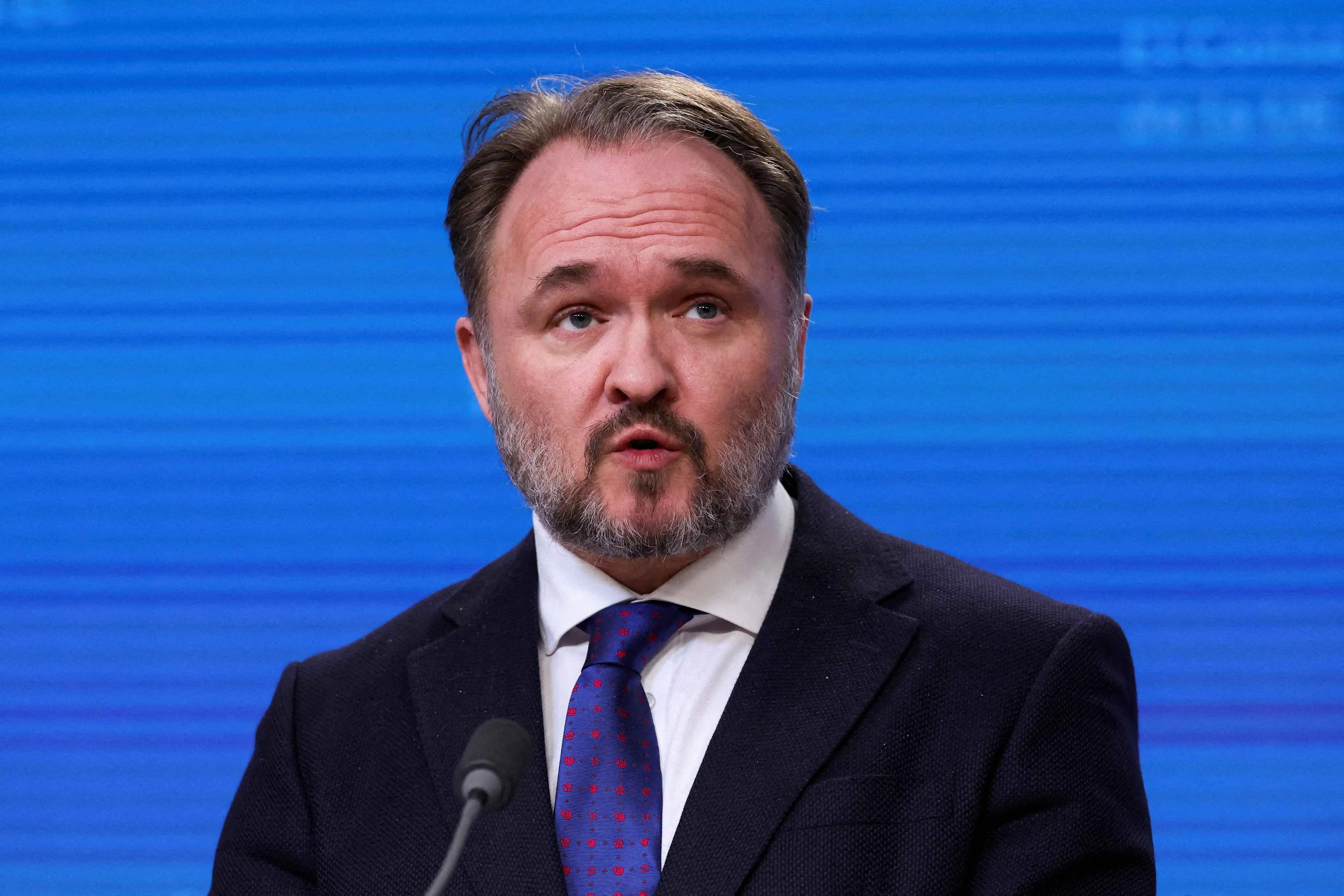
MOSCOW: The EU is considering "all possibilities" to tackle the energy crisis, including restricting fuel exports and releasing oil from emergency reserves, as part of efforts to mitigate the impact of the West Asia conflict, European Commissioner for Energy Dan Jorgensen said on Friday, reported Sputnik/RIA Novosti.
The EU is assessing "all possibilities" including fuel rationing and releasing more oil from emergency reserves as it braces for a "long-lasting" energy shock from the West Asia war, Jorgensen told the Financial Times newspaper in an interview.
The European Union is developing plans to address the "structural, long-term consequences" of the conflict in West Asia. He said, this includes "preparing for worst scenarios", even if the bloc is "not there yet" for the need to ration critical products such as jet fuel or diesel, the commissioner said.
When asked about the possibility of relaxing aviation fuel regulations to allow for greater imports from the US or to increase the share of ethanol in automotive fuel, Jorgensen said: "We’re not yet at the point where we have amended or changed any of our current rules."
The commissioner also said that for some "critical" products "we expect it to be even worse in the weeks to come".
"We are looking at all possibilities, and it’s clear that the more serious the situation becomes, the more we will need to consider legislative tools," he said.
On Feb 28, the United States and Israel launched strikes on targets in Iran, including in Tehran, causing damage and civilian casualties. Iran responded by striking Israeli territory and US military facilities in West Asia.
The US and Israel initially claimed their "preemptive" attack was necessary to counter the perceived threat coming from Iran’s nuclear programme, but they soon made it clear that they want to see a change of power in Iran.
Iran's Supreme Leader Ayatollah Ali Khamenei was killed on the first day of the military operation. The Islamic Republic declared 40 days of mourning.