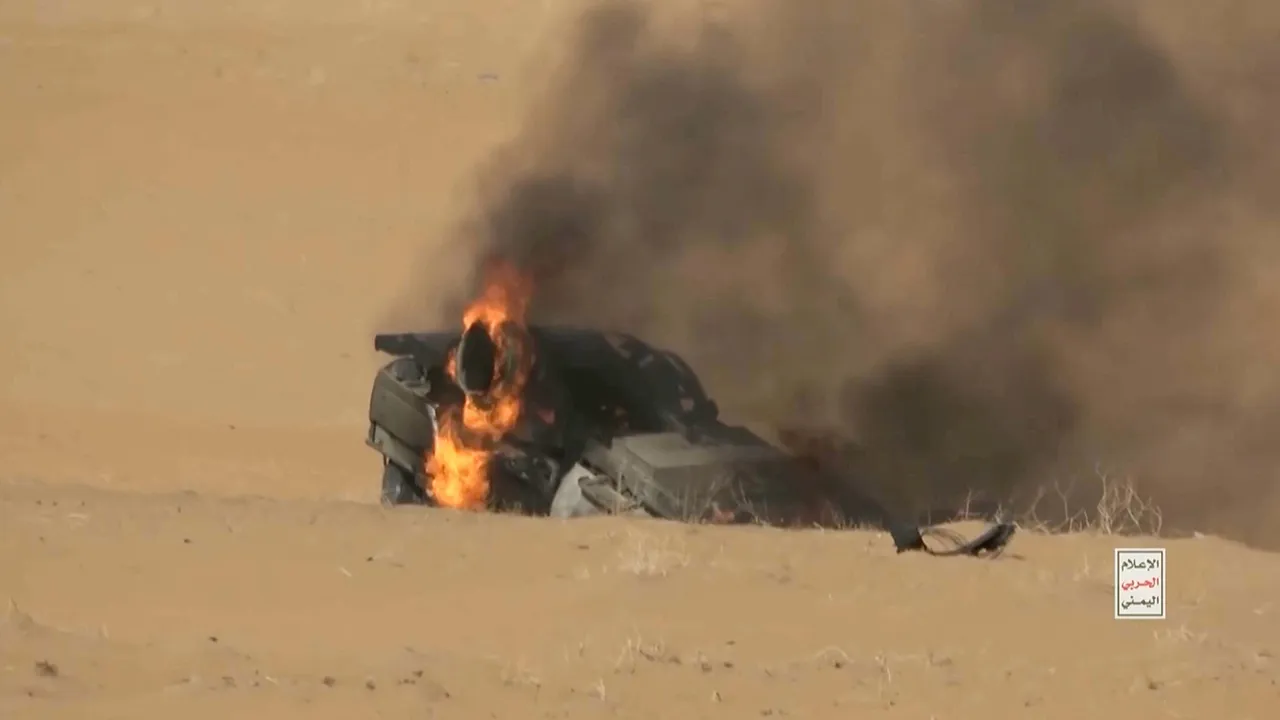
BOMBINGS of major ports. Blockades at key chokepoints. Attacks on cargo ships, merchant vessels and relief boats disrupting supply chains and delivery of humanitarian aid. Damage to subsea cables threatening global internet and communications. Death and destruction to coastal civilian populations and infrastructure. The deadliest displacement and forced migration routes. Untold impacts on the marine environment and underwater cultural objects. Nuclear submarines, hypersonic missiles, unmanned maritime systems, and cyber operations at sea. These are some of the realities of today’s 130+ armed conflicts when they are fought at sea, and very likely still in the wars to come.
International humanitarian law (IHL) is one of the three main areas of law governing naval warfare, and one that remains robust. The Second Geneva Convention of 1949, one of its core treaties that has also been universally ratified, sets the minimum standard of treatment and care for the wounded, sick and shipwrecked combatants in wars at sea. It legally protects hospital ships, rescue crafts, converted merchant vessels and distinctive emblems, as well as their members and equipment. It also requires parties to the conflict to search for those missing at sea; collect, identify and bury the dead with respect; treat detainees humanely; and to prevent grave breaches like torture and ill-treatment.
In this broader legal framework, civilians and civilian objects as always must never be targeted. At sea this means fishing vessels, oil tankers and ships carrying essential goods cannot be attacked. Civilians must not be forcibly displaced to begin with, but when they are, they cannot be forcibly returned to danger. Distressed seafarers and civilians must be rescued and safely evacuated to land. Naval blockades cannot be imposed to starve civilians, impede humanitarian aid nor by using prohibited weapons. Freedom of navigation and the rights and interests of neutral states, including on the high seas and in airspace, must be respected. Even with new technologies of warfare and in a rapidly evolved landscape, the fundamental IHL rules of distinction, precaution and proportionality remain applicable in the maritime domain.
As a maritime nation with two of the world’s busiest ports and long coastlines that straddles some of the world’s busiest sea lanes, crisis preparedness at sea amid rising geopolitical concerns is an imperative for Malaysia. On this Geneva Conventions Day, we must also recognize that coherent and coordinated humanitarian response and prevention must be strengthened alongside defence capabilities and strategic interests. Legally this means that at least the Geneva Conventions Act 1962 must be updated and other relevant Malaysian laws must be aligned, including to require prior conflict classification and to create meaningful space for impartial humanitarian action. Operationally, military and civilian authorities and other security actors at all levels must be able to function beyond reactive, law enforcement and peacekeeping contexts and modalities, i.e., in international and non-international armed conflict contexts, even if Malaysia maintains its neutral status. Humanitarian and civil society actors must be ready to respond with the specific challenges of delivering humanitarian assistance for victims of war at sea. Judicial and legal actors should be equipped to navigate complex international and domestic legal frameworks to effectively deliver accountability for perpetrators and justice for victims and survivors.
The humanitarian consequences of naval conflicts at any scale could never be understated. Today’s wars are being fought in multiple domains and with far reaching implications. Malaysia is already feeling the impacts of wars at sea further away in the region and beyond, which should not have come as a surprise considering the interdependent nature of international trade and the immense value of maritime trade to Malaysia’s economy. This should provide enough impetus for national law, policy and practice in the security space not only to openly integrate, but also to urgently prioritise humanitarian perspectives and compliance with international law.
Aisya Abdul Rahman is a Senior Lecturer of Practice in International Law at Universiti Malaya. She is a legal professional with significant experience supporting regional and national decisionmakers, policymakers and stakeholders in understanding and applying international law, including with the International Committee of the Red Cross, and practicing at the Malaysian Bar. The views expressed here do not necessarily reflect that of her employers nor affiliates, past or present.
** The views and opinions expressed in this article are those of the author(s) and do not necessarily reflect the position of Astro AWANI.