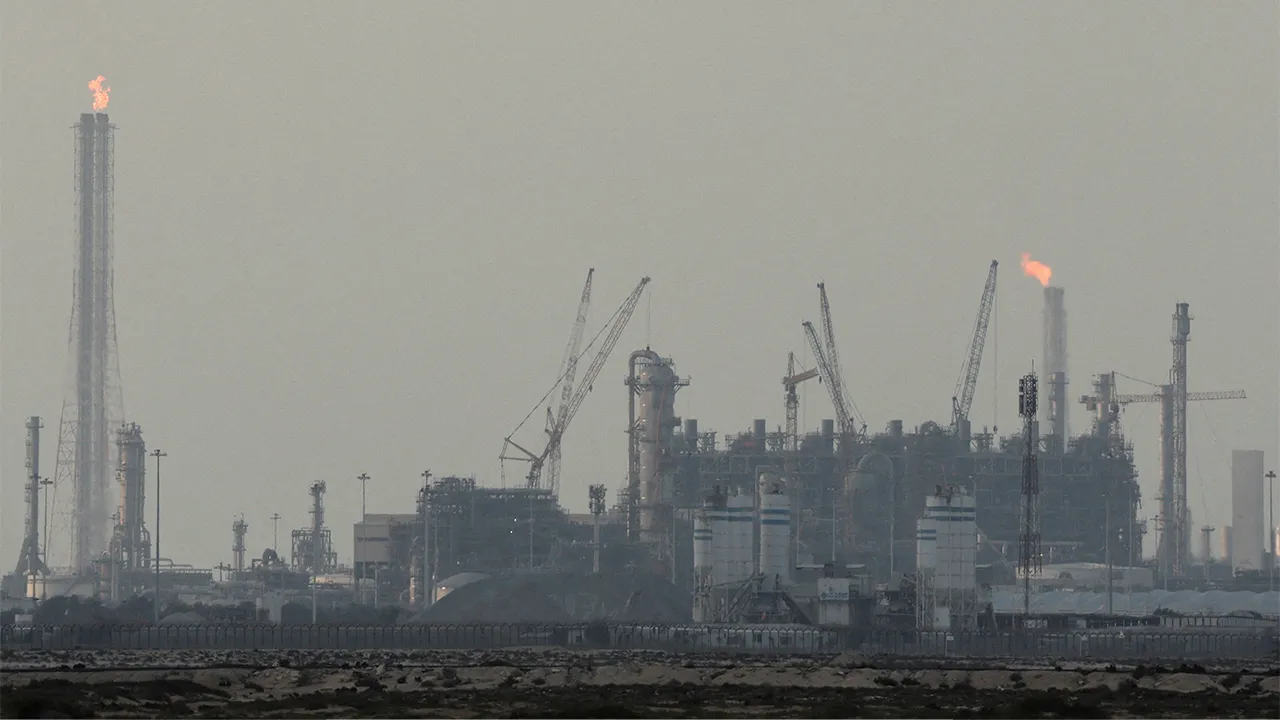

FOR decades, Enerhodar, the Ukrainian city in the country's southern Zaporizhzhia region was an affluent company town for workers at the thermal and nuclear power plants and their young families, with tree-lined avenues and tall apartment blocks.
AI Brief
But as the Russian occupation enters its fourth year, the city and its Zaporizhzhia nuclear plant have been transformed into places ruled by fear and paranoia.
All six reactors at the plant, which is Europe's largest, have been in a cold shutdown since 2024.
Residents who fled say there are frequent home searches and detentions, while Ukrainian school children are indoctrinated to be loyal to Moscow and the Russian state energy giant, Rosatom.
The city, which had a population of around 50,000 before 2022, is now a ghost town with around 22,000 residents, according to the occupation administration.
The Kremlin didn't respond to requests for comment from Reuters.
Reuters did not visit Enerhodar to report for this story.
Enerhodar has been under Russian occupation since March 2022.
The Enerhodar occupation administration and Rosatom said they are focused on building a brighter future for the city and rejected allegations that residents have been violently subjugated.
Nowhere is Russian control more evident than in Enerhodar’s children. Across Ukraine’s occupied territories, Russia has imposed a curriculum centered on patriotism and loyalty.
For Volodymyr Sukhanov, a soft-spoken chess tutor who taught in Enerhodar for 30 years, the curriculum recalls his Soviet childhood. He worries about his former pupils, many of whom remain in the occupied city.
The children are under enormous pressure from their family and teachers, the 67-year old teacher said, adding that pro-Russian media also influenced children.
Another exiled teacher, Kateryna, said children who defy Russian educators are punished.
Housing in the city is also being steadily repossessed, Reuters has found, with some apartments taken over by Russian soldiers and officers without any formal process.
Former employees of the nuclear plant say colleagues who resisted the occupation or refused to sign contracts with Rosatom were detained, abused and some disappeared altogether into Russian custody.
Your gateway to global news, insights, and stories that matter.

AI Brief
- Enerhodar, under Russian control since 2022, is now a ghost town ruled by fear, with frequent detentions and home seizures.
- Russian-imposed school curriculum promotes loyalty to Moscow, with punishments for defiance and heavy media influence.
- All reactors are shut down; plant workers who resisted Rosatom faced abuse or disappeared into custody.
But as the Russian occupation enters its fourth year, the city and its Zaporizhzhia nuclear plant have been transformed into places ruled by fear and paranoia.
All six reactors at the plant, which is Europe's largest, have been in a cold shutdown since 2024.
Residents who fled say there are frequent home searches and detentions, while Ukrainian school children are indoctrinated to be loyal to Moscow and the Russian state energy giant, Rosatom.
The city, which had a population of around 50,000 before 2022, is now a ghost town with around 22,000 residents, according to the occupation administration.
The Kremlin didn't respond to requests for comment from Reuters.
Reuters did not visit Enerhodar to report for this story.
Enerhodar has been under Russian occupation since March 2022.
The Enerhodar occupation administration and Rosatom said they are focused on building a brighter future for the city and rejected allegations that residents have been violently subjugated.
Nowhere is Russian control more evident than in Enerhodar’s children. Across Ukraine’s occupied territories, Russia has imposed a curriculum centered on patriotism and loyalty.
For Volodymyr Sukhanov, a soft-spoken chess tutor who taught in Enerhodar for 30 years, the curriculum recalls his Soviet childhood. He worries about his former pupils, many of whom remain in the occupied city.
The children are under enormous pressure from their family and teachers, the 67-year old teacher said, adding that pro-Russian media also influenced children.
Another exiled teacher, Kateryna, said children who defy Russian educators are punished.
Housing in the city is also being steadily repossessed, Reuters has found, with some apartments taken over by Russian soldiers and officers without any formal process.
Former employees of the nuclear plant say colleagues who resisted the occupation or refused to sign contracts with Rosatom were detained, abused and some disappeared altogether into Russian custody.