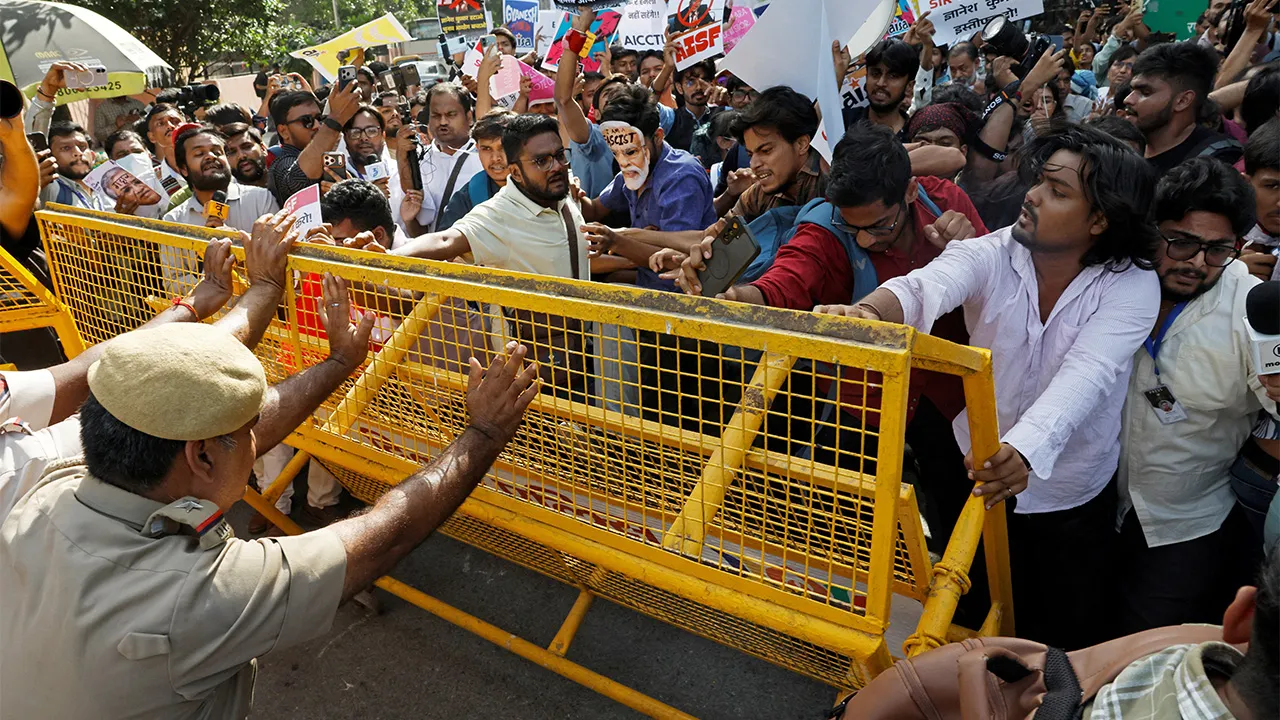

INDONESIA'S streets are once again simmering with anger, but the cause is not hidden conspiracies or foreign interference.
AI Brief
The discontent bubbling across Jakarta, Surabaya, Manudo, Solo, and other major cities has a more straightforward explanation: economic missteps, costly populist policies, and a growing perception that the political class has insulated itself from the daily struggles of ordinary Indonesians.
A Fragile Political Balancing Act
President Prabowo Subianto entered office with broad legitimacy but faces formidable rivals waiting in the wings.
Former Jakarta governor Anies Baswedan retains a strong political following and is expected to make another run for the presidency.
Ganjar Pranowo, too, remains a potent challenger with nationwide recognition. With no credible successor from within his own family, Prabowo cannot afford to alienate Indonesians whose support he needs to weather these storms.
The Free Meals Gamble
At the centre of Indonesia’s political discontent lies the president’s flagship welfare initiative: free meals for millions of schoolchildren.
Admirable in intent, the program has been beset by scandal and inefficiency. Valued at between USD 10 to 18 billion annually—almost a quarter to the entire defence budget—the program has exposed the government to accusations of fiscal recklessness.
Reports of meals lacking nutrition, and in some cases causing illness, have reinforced public suspicion that corruption has seeped into the scheme. What should have been a shining example of social investment has become a lightning rod for criticism.
A Parliament Out of Touch
At the same time, Indonesia’s 580 Members of Parliament voted themselves significant salary increases and enhanced perks of up to USD 6000 a month.
For citizens earning a fraction of these sums, the timing could not have been worse.
Municipal tax hikes in some regions, reportedly as high as 240 percent, had already stretched household budgets. The juxtaposition of austerity for the masses and largesse for lawmakers struck many as a betrayal.
What began as sporadic demonstrations against local taxation quickly coalesced into nationwide protests, fuelled by a sense of deepening inequality and elite indifference.
Macroeconomic Strain
These policy missteps come at a precarious moment for Indonesia’s economy.
The rupiah has only recently stabilised after months of volatility, and trade negotiations with the United States have produced hard-won gains.
Yet Indonesia’s fiscal space is tightening. Ambitious welfare commitments alongside lavish parliamentary perks send troubling signals to investors and to ordinary Indonesians alike.
Even Danatara, the sovereign wealth fund that now stands at USD 900 billion, requires public confidence in the state’s stewardship. Without credibility, such funds are little more than numbers on paper.
An Apolitical Military
Adding to Prabowo’s vulnerability is the diminished role of the Indonesian military in political life. Unlike in decades past, the armed forces no longer play an active role in the day-to-day governance of the republic.
This institutional neutrality, while a welcome sign of democratic consolidation, leaves Prabowo without the fall-back of military patronage in times of crisis. He must rely instead on civilian legitimacy, which is precisely
what current unrest threatens to erode.
Foreign Relations Are Steady
Internationally, Prabowo has maintained functional relations with both Washington and Beijing.
Neither power has reason to interfere in Indonesian politics at a time when stability serves everyone’s interests.
That external calm underscores a critical point: the troubles facing Indonesia are home-grown. They stem from domestic policy choices that have failed to address the basic welfare concerns of the people.
The Road Ahead
President Prabowo’s predicament is not irreversible, but it demands urgent recalibration.
Reining in the costs of the free meals program, tightening oversight to eliminate corruption, and revisiting the unpopular parliamentary salary hikes would go a long way toward easing public anger.
Indonesia’s political class must signal that it shares the sacrifices of its citizens, not that it stands apart from them.
If the president continues to ignore these warning signs, discontent will deepen, and his rivals will be waiting to capitalise.
For now, the protests should be understood not as a prelude to regime change, but as an unmistakable demand for better governance. Prabowo’s greatest threat is not an external hand—it is the impatience of his own people
Phar Kim Beng, PhD, is Professor of ASEAN Studies and Director of the Institute of Internationaliation and ASEAN Studies (IINTAS) at the International Islamic University Malaysia.
Luthfy Hamzah is Senior Research Fellow at IINTAS and a specialist in trade, political economy, and strategic diplomacy in Northeast Asia.
** The views and opinions expressed in this article are those of the author(s) and do not necessarily reflect the position of Astro AWANI.
Your gateway to global news, insights, and stories that matter.

AI Brief
- Nationwide protests are fueled by economic strain, unpopular welfare spending, and lavish perks for politicians.
- The president's legitimacy is tested by rivals and public anger, especially over the troubled free meals program.
- With no military fallback and investor confidence shaken, Prabowo must urgently address governance and inequality.
The discontent bubbling across Jakarta, Surabaya, Manudo, Solo, and other major cities has a more straightforward explanation: economic missteps, costly populist policies, and a growing perception that the political class has insulated itself from the daily struggles of ordinary Indonesians.
A Fragile Political Balancing Act
President Prabowo Subianto entered office with broad legitimacy but faces formidable rivals waiting in the wings.
Former Jakarta governor Anies Baswedan retains a strong political following and is expected to make another run for the presidency.
Ganjar Pranowo, too, remains a potent challenger with nationwide recognition. With no credible successor from within his own family, Prabowo cannot afford to alienate Indonesians whose support he needs to weather these storms.
The Free Meals Gamble
At the centre of Indonesia’s political discontent lies the president’s flagship welfare initiative: free meals for millions of schoolchildren.
Admirable in intent, the program has been beset by scandal and inefficiency. Valued at between USD 10 to 18 billion annually—almost a quarter to the entire defence budget—the program has exposed the government to accusations of fiscal recklessness.
Reports of meals lacking nutrition, and in some cases causing illness, have reinforced public suspicion that corruption has seeped into the scheme. What should have been a shining example of social investment has become a lightning rod for criticism.
A Parliament Out of Touch
At the same time, Indonesia’s 580 Members of Parliament voted themselves significant salary increases and enhanced perks of up to USD 6000 a month.
For citizens earning a fraction of these sums, the timing could not have been worse.
Municipal tax hikes in some regions, reportedly as high as 240 percent, had already stretched household budgets. The juxtaposition of austerity for the masses and largesse for lawmakers struck many as a betrayal.
What began as sporadic demonstrations against local taxation quickly coalesced into nationwide protests, fuelled by a sense of deepening inequality and elite indifference.
Macroeconomic Strain
These policy missteps come at a precarious moment for Indonesia’s economy.
The rupiah has only recently stabilised after months of volatility, and trade negotiations with the United States have produced hard-won gains.
Yet Indonesia’s fiscal space is tightening. Ambitious welfare commitments alongside lavish parliamentary perks send troubling signals to investors and to ordinary Indonesians alike.
Even Danatara, the sovereign wealth fund that now stands at USD 900 billion, requires public confidence in the state’s stewardship. Without credibility, such funds are little more than numbers on paper.
An Apolitical Military
Adding to Prabowo’s vulnerability is the diminished role of the Indonesian military in political life. Unlike in decades past, the armed forces no longer play an active role in the day-to-day governance of the republic.
This institutional neutrality, while a welcome sign of democratic consolidation, leaves Prabowo without the fall-back of military patronage in times of crisis. He must rely instead on civilian legitimacy, which is precisely
what current unrest threatens to erode.
Foreign Relations Are Steady
Internationally, Prabowo has maintained functional relations with both Washington and Beijing.
Neither power has reason to interfere in Indonesian politics at a time when stability serves everyone’s interests.
That external calm underscores a critical point: the troubles facing Indonesia are home-grown. They stem from domestic policy choices that have failed to address the basic welfare concerns of the people.
The Road Ahead
President Prabowo’s predicament is not irreversible, but it demands urgent recalibration.
Reining in the costs of the free meals program, tightening oversight to eliminate corruption, and revisiting the unpopular parliamentary salary hikes would go a long way toward easing public anger.
Indonesia’s political class must signal that it shares the sacrifices of its citizens, not that it stands apart from them.
If the president continues to ignore these warning signs, discontent will deepen, and his rivals will be waiting to capitalise.
For now, the protests should be understood not as a prelude to regime change, but as an unmistakable demand for better governance. Prabowo’s greatest threat is not an external hand—it is the impatience of his own people
Phar Kim Beng, PhD, is Professor of ASEAN Studies and Director of the Institute of Internationaliation and ASEAN Studies (IINTAS) at the International Islamic University Malaysia.
Luthfy Hamzah is Senior Research Fellow at IINTAS and a specialist in trade, political economy, and strategic diplomacy in Northeast Asia.
** The views and opinions expressed in this article are those of the author(s) and do not necessarily reflect the position of Astro AWANI.