IRAN'S Islamic Revolution Guard Corps (IRGC) said Thursday it is fully prepared with several contingency plan to counter any further U.S. strikes.
U.S. forces launched another round of strikes against Iranian military targets on Thursday evening, marking the 13th consecutive night of attacks, said the U.S. Central Command.
Iranian media reported multiple explosions across several provinces, including Kermanshah, Khuzestan and Bushehr, following Thursday's U.S. strikes. In the southwestern province of Khuzestan, a missile attack near a passenger terminal in Shalamcheh on the Iran-Iraq border left at least two people dead and 11 others wounded.
Explosions were also heard in Iran's Qeshm Island near the Strait of Hormuz, Iranian media reported on Thursday.
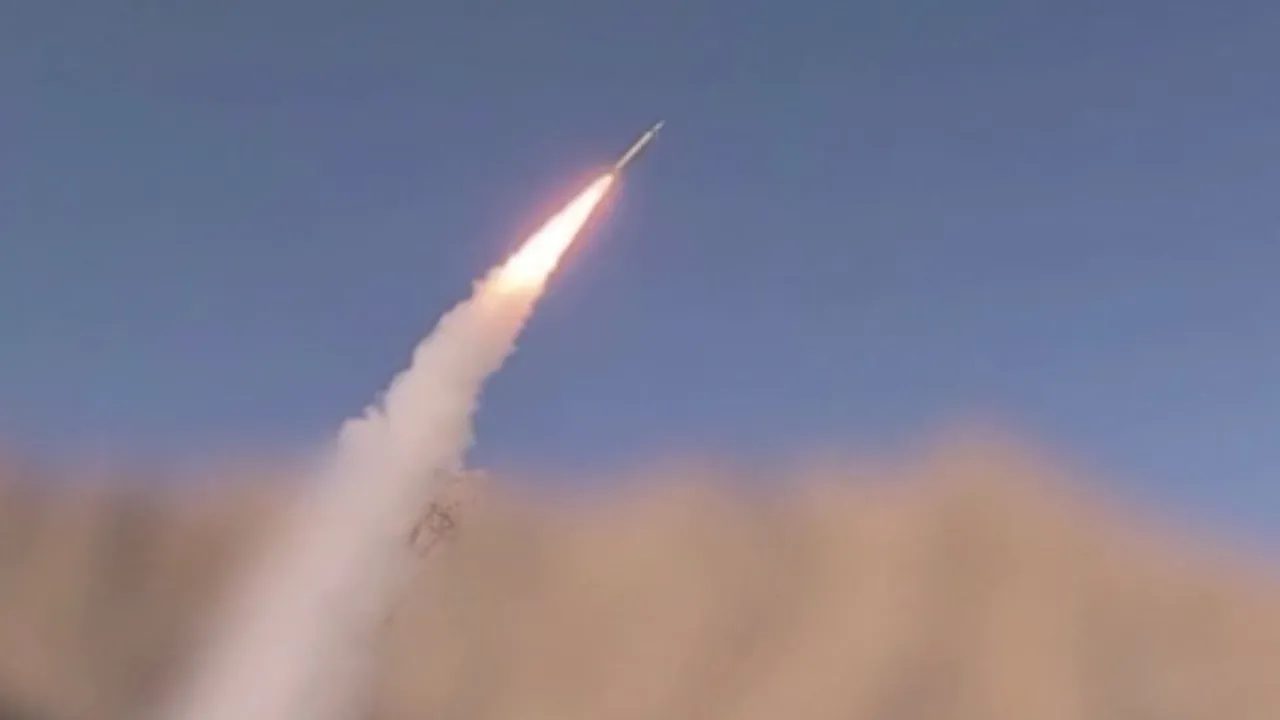
In retaliation, IRGC said it conducted strikes against U.S. bases and assets in Jordan and Kuwait, which inflicted personnel casualties and heavy military losses.
Iranian forces destroyed a U.S. army electronic warfare special unit at the Al-Adiri Camp in Kuwait, and damaged the base's command and control tower.
Iranian military sources said Iran has readied various response options to counter every scenario, including the possibility of a U.S. ground invasion.
Iranian Foreign Minister Seyed Abbas Araghchi said on X that Iran will adopt an "eye for an eye" defense doctrine. "Any aggression against Iran, including our infrastructure, will compel a powerful and decisive response."
Also on Thursday, the IRGC said that it had stopped three oil tankers from passing through the Strait of Hormuz, one of which caught fire after an explosion.
In a statement, the IRGC said three oil tankers were trying to pass through the mine-laid route south of the Strait of Hormuz. One of them exploded and caught fire, and the other two turned back.
Iran's Health Ministry said on Thursday that U.S. air strikes on Iran since June 27 had killed 55 people and wounded 629 others.