
DUBAI: Iran will react to any reimposition of United Nations sanctions over its nuclear programme, the country's foreign ministry spokesperson said on Monday, without elaborating on what actions Tehran might take.
AI Brief
A French diplomatic source told Reuters last week that European powers would have to restore U.N. sanctions on Iran under the so-called "snapback mechanism" if there were no nuclear deal that guaranteed European security interests.
The "snapback mechanism" is a process that would reimpose U.N. sanctions on Tehran under a 2015 nuclear deal that lifted the measures in return for restrictions on Iran's nuclear programme.
"The threat to use the snapback mechanism lacks legal and political basis and will be met with an appropriate and proportionate response from the Islamic Republic of Iran," Foreign Ministry spokesperson Esmaeil Baghaei told a press conference, without giving further details.
The 2015 deal with Britain, Germany, France, the U.S., Russia and China - known as the Joint Comprehensive Plan of Action (JCPOA) - states that if the parties cannot resolve accusations of "significant non-performance" by Iran, the "snapback mechanism" process can be triggered by the 15-member U.N. Security Council.
"The European parties, who are constantly trying to use this possibility as a tool, have themselves committed gross and fundamental violations of their obligations under the JCPOA," Baghaei said.
"They have failed to fulfill the duties they had undertaken under the JCPOA, so they have no legal or moral standing to resort to this mechanism."
Western countries accuse Iran of plotting to build a nuclear weapon, which Tehran denies.
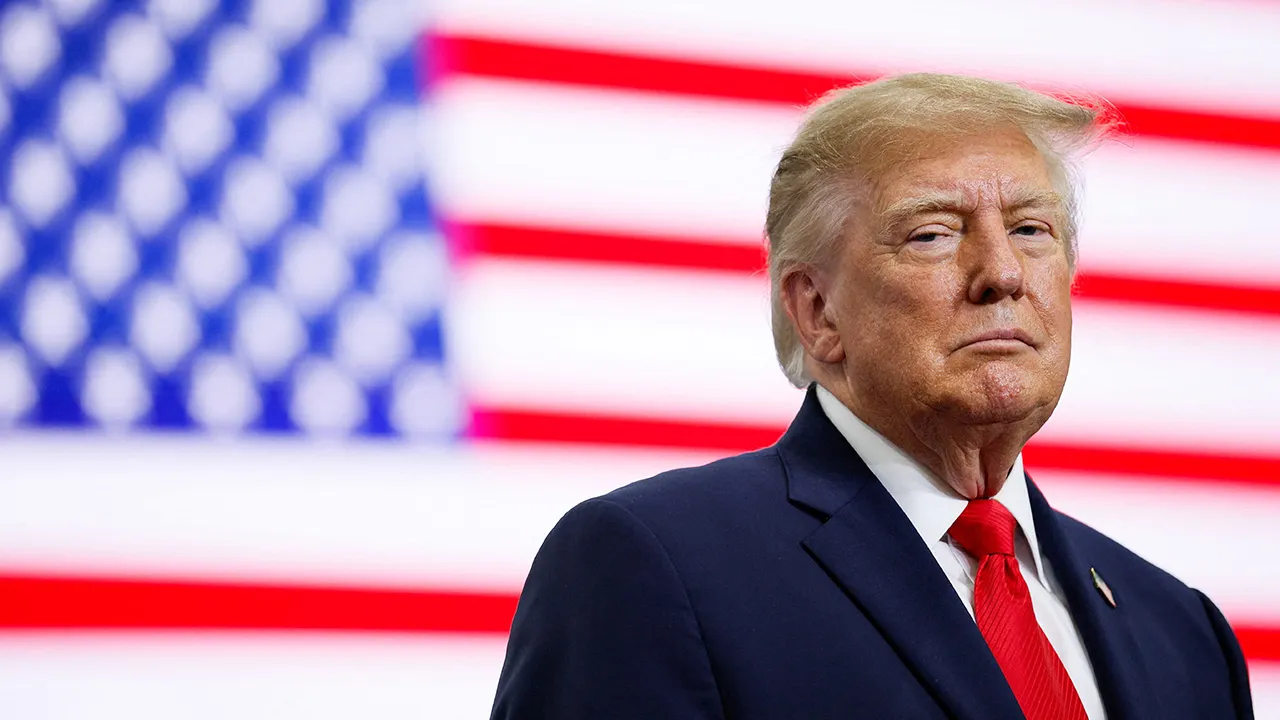
The United States pulled out of the deal in 2018 under the first administration of President Donald Trump, who called the agreement "weak".
Trump, whose second presidency began in January, has urged Tehran to return to nuclear negotiations on a new deal after a ceasefire was reached last month that ended a 12-day air war between Iran and Israel that destabilised the Middle East.
When asked if Iranian Foreign Minister Abbas Araqchi would meet with Trump's Middle East envoy, Steve Witkoff, Baghaei said no date or location had been set for resuming the U.S.-Iran nuclear talks.
Your gateway to global news, insights, and stories that matter.
AI Brief
- Europe may reimpose UN sanctions on Iran if no nuclear deal is reached; Iran calls the move baseless.
- Tehran accuses European powers of violating the 2015 nuclear deal and lacking moral grounds to use the snapback clause.
- Trump urges new nuclear talks after recent Iran-Israel conflict, but no date is set for US-Iran negotiations.
A French diplomatic source told Reuters last week that European powers would have to restore U.N. sanctions on Iran under the so-called "snapback mechanism" if there were no nuclear deal that guaranteed European security interests.
The "snapback mechanism" is a process that would reimpose U.N. sanctions on Tehran under a 2015 nuclear deal that lifted the measures in return for restrictions on Iran's nuclear programme.
"The threat to use the snapback mechanism lacks legal and political basis and will be met with an appropriate and proportionate response from the Islamic Republic of Iran," Foreign Ministry spokesperson Esmaeil Baghaei told a press conference, without giving further details.
The 2015 deal with Britain, Germany, France, the U.S., Russia and China - known as the Joint Comprehensive Plan of Action (JCPOA) - states that if the parties cannot resolve accusations of "significant non-performance" by Iran, the "snapback mechanism" process can be triggered by the 15-member U.N. Security Council.
"The European parties, who are constantly trying to use this possibility as a tool, have themselves committed gross and fundamental violations of their obligations under the JCPOA," Baghaei said.
"They have failed to fulfill the duties they had undertaken under the JCPOA, so they have no legal or moral standing to resort to this mechanism."
Western countries accuse Iran of plotting to build a nuclear weapon, which Tehran denies.
The United States pulled out of the deal in 2018 under the first administration of President Donald Trump, who called the agreement "weak".
Trump, whose second presidency began in January, has urged Tehran to return to nuclear negotiations on a new deal after a ceasefire was reached last month that ended a 12-day air war between Iran and Israel that destabilised the Middle East.
When asked if Iranian Foreign Minister Abbas Araqchi would meet with Trump's Middle East envoy, Steve Witkoff, Baghaei said no date or location had been set for resuming the U.S.-Iran nuclear talks.