
IRAN'S state-run IRIB TV on Wednesday revealed a draft of an initial, unofficial framework for a memorandum of understanding (MoU) with the United States, but the report was quickly denied by the White House.
The draft demands U.S. military withdrawal and naval blockade lift. In return, Iran commits to restoring commercial shipping through the strait of Hormuz to pre-war levels within one month and managing ship traffic through the strait with Oman, the IRIB reported, adding that military vessels are not included in the agreement.
Any final U.S.-Iran agreement reached within a 60-day negotiation period would be approved in the form of a binding United Nations Security Council resolution, the report said.
However, the White House, in a statement on Wednesday, denied the report, saying that the draft MoU between the United States and Iran released by IRIB was entirely fabricated.
Speaking at a Cabinet meeting later on Wednesday, U.S. President Donald Trump said he was not satisfied with the current progress of talks with Iran, hinting at the possibility of resuming military actions.
Trump said " Iran is very much intent, they want very much to make a deal."
"So far, they haven't gotten there, we're not satisfied with it, but we will be. Either that or we'll have to just finish the job," he said.
Trump's remarks were widely interpreted by media as a threat to restart military operations.
On the Strait of Hormuz, Trump said it is open to everyone and nobody can get control of the strait.
When asked whether the United States is considering easing sanctions on Iran, Trump said that the matter had not been discussed.
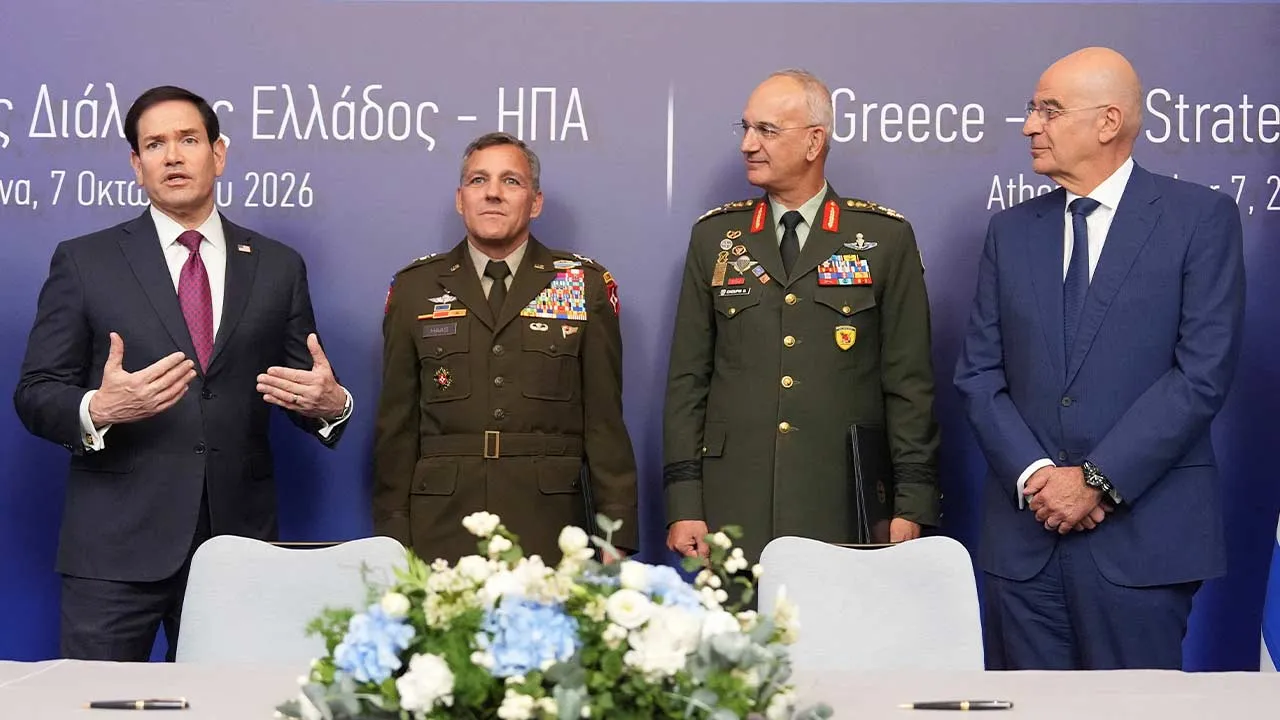
Also at the Cabinet meeting, U.S. Secretary of State Marco Rubio said that the United States holds a bottom line that Iran will never possess a nuclear weapon.
He said that Trump prefers a negotiated solution, adding that diplomacy has always been the first option, while some progress has been made.
Meanwhile, Trump also said at the meeting that he hoped certain Arab countries to sign the Abraham Accords, which is an agreement between the Israeli government and Arab countries, including the United Arab Emirates (UAE), Bahrain, Sudan and Morocco, to normalize the relations between Israel and Arab countries.
Trump said that if these Arab countries refused to sign the Abraham Accords, he would be not sure whether the United States can reach a deal with Iran.
In response to Trump's threats, Ibrahim Aziz, chairman of the National Security and Foreign Policy Committee of Iran's Parliament, said early on Thursday morning that Iran will never be intimidated by Trump's remarks.
Iran will safeguard its red lines -- the right to possess enriched uranium, the control over the Strait of Hormuz, and the removal of sanctions on Iran.
Iran, the United States, and Israel reached a ceasefire on April 8 after 40 days of fighting. Following the truce, Iranian and U.S. delegations held one round of peace talks in Islamabad on April 11 and 12, which failed to yield an agreement.
Over the past weeks, the two sides have reportedly exchanged several proposed plans outlining conditions for ending the conflict through Pakistani mediation.