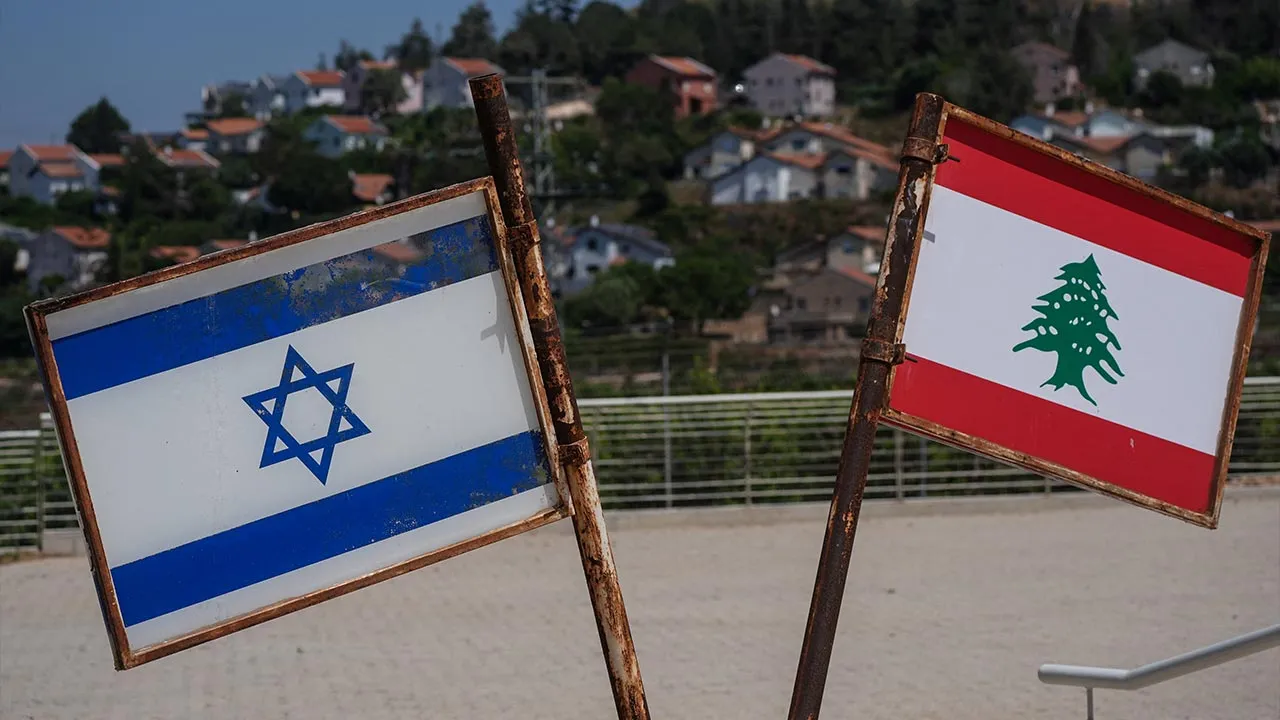
THE trajectory of the Israel‑Lebanon conflict carries broad implications for Middle East stability, analysts warn, citing ongoing Israeli attacks despite a ceasefire and Lebanon’s split over whether to pursue direct peace talks.
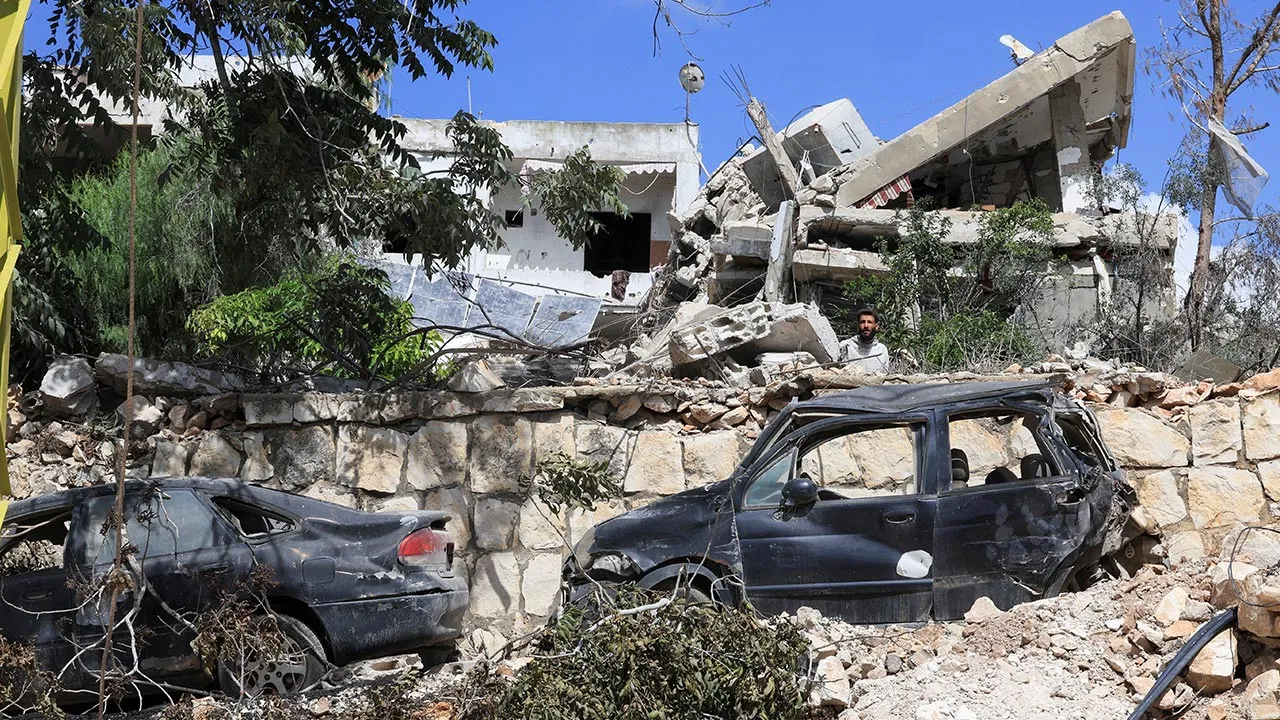
Starting Tuesday, the United States will host a new round of direct talks between Lebanon and Israel. The negotiations come as Israel continues its attacks in southern Lebanon, despite an announced ceasefire.
Lebanon appears divided over how to approach Israel. Some support the government's recent move to directly hold peace talks with Israel to end decades of war.
"I don't think that Israel desires part of Lebanon. Israel has demands from Lebanon. Security demands, like the UN ceasefire agreement number 1701 security agreement. Israel's geopolitical interest is in Gaza, its access to the Mediterranean and the natural resources like gas available there," said Ziad Itani, editor in chief of Lebanon's Asas Media.
Most of the Shiite population and their supporters, however, strongly believe that Israel is not pursuing peace. They point to what they see as an expansionist strategy by Israel.
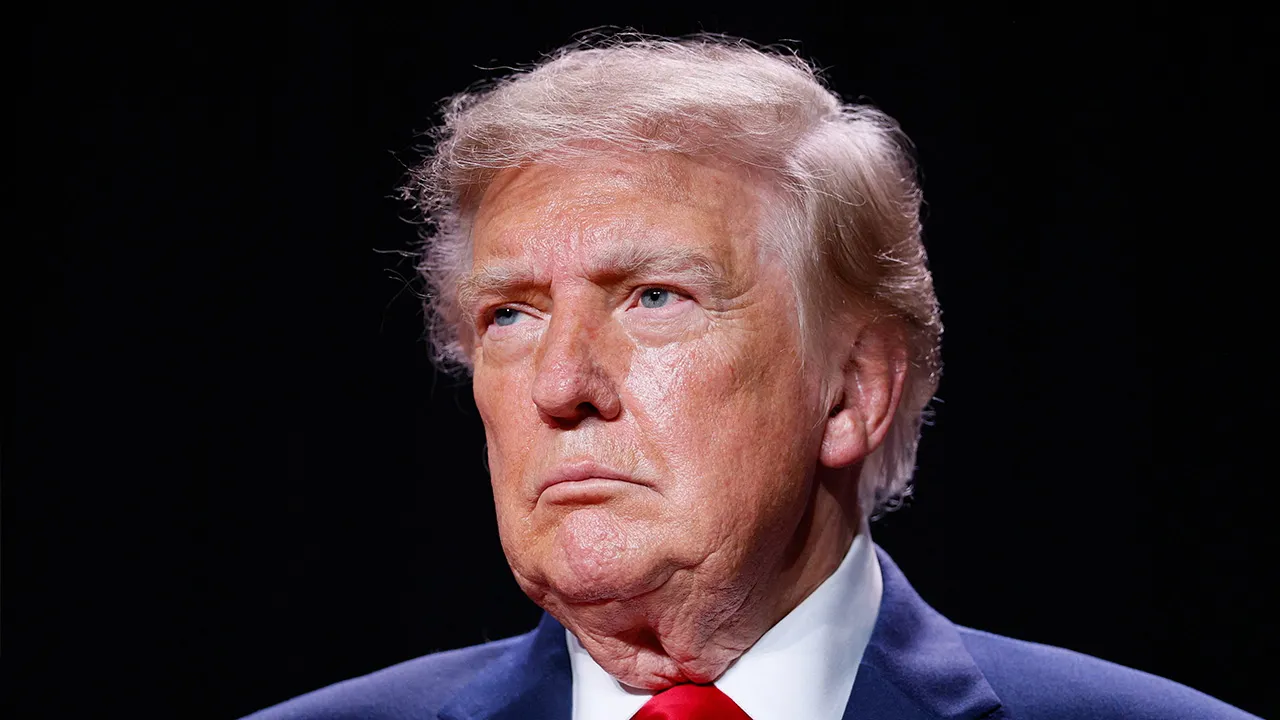
They also cite occasions where U.S. President Trump voiced support for Israel, including remarks that Israel is a small country and should have more land.
"They announced seeking to achieve a greater Israel. That includes Egypt, Jordan, Iraq, definitely Lebanon, Syria all the way to the Arabian Peninsula. So even if the Israeli aggression retreats sometimes, they are always prepared to advance again, to take over more land later to complete that big plan which Netanyahu and the Israeli government work to achieve," said Ayoub Hmayed, a member of Lebanese parliament.
Lebanon has a deeply sectarian political and social structure. Christian, Sunni Muslim, and Shiite Muslim communities each represent roughly a third of the country's social landscape.
As a result, any agreement involving Israel would require broad consensus and support across these groups to move forward.