BEIRUT:
The Lebanon-Israel ceasefire, due to expire on Sunday, has been extended for three weeks following fresh talks between the two sides in Washington.
U.S. President Donald Trump said the U.S would be working with Lebanon to “help it protect itself from Hezbollah”.
He also said both Israeli Prime Minister Benjamin Netanyahu and Lebanese President Joseph Aoun are expected to visit the White House in the coming weeks.
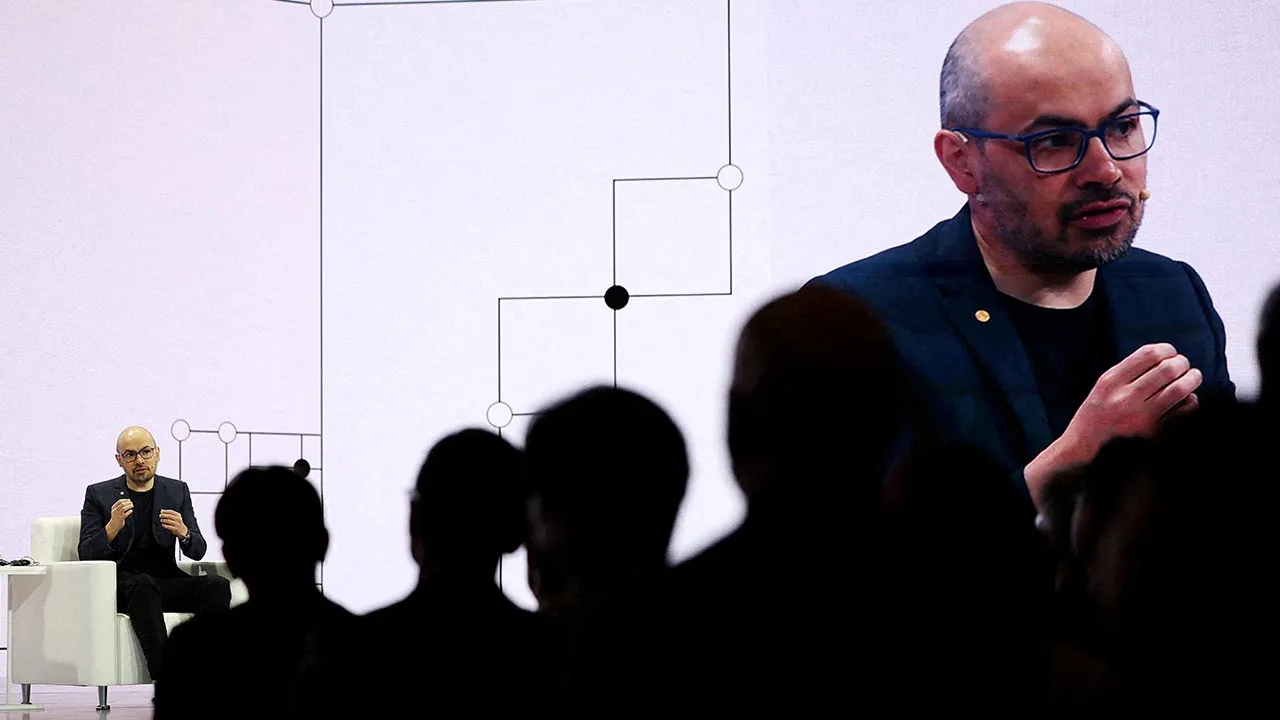
But the talks would do little to bring lasting peace unless Iran-backed Hezbollah agrees to disarm, says Jad Fayyad, a journalist with Annahar Newspaper in Lebanon.
“The Israelis are trying to apply additional political pressure over Hezbollah,” he told Awani International
“On the other side, Lebanese authorities want long-term peace, but until now, the situation isn’t in their hands. It is in Hezbollah’s.”
He said Lebanese officials are currently rejecting direct talks between the two sides, insisting negotiations should first take place at the diplomatic level, led by former Lebanese ambassador to the U.S., Simon Karam.
Jad added that the ceasefire extension appears to be part of Trump’s efforts to buy time for potential Iranian-American negotiations in the coming weeks.
“Even the ceasefire that is happening now is because of the complicated and complex Saudi, Iranian, American and Israeli situation. It’s not because there are direct talks between Lebanon and Israel,” he said.
Iranian and U.S. officials held an initial round of talks in Pakistan on April 14, though it wielded no significant outcomes.
Trump has since continued a U.S. blockade on Iranian ports, while Tehran denies a second round of negotiations is taking place.
Over in southern Lebanon, the Israeli military and Hezbollah have accused each other of violating the ceasefire.
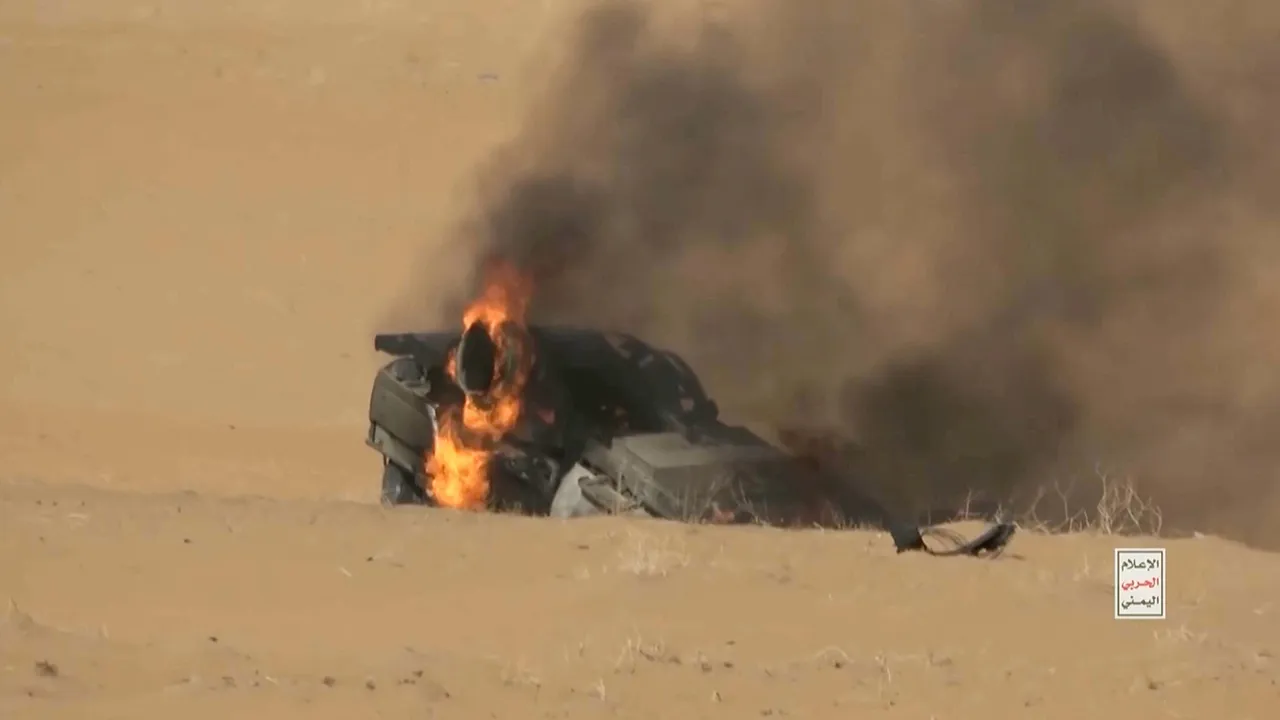
Hezbollah said it fired rockets at northern Israel and at Israeli Defence Forces positions in southern Lebanon, which the latter reports were intercepted.
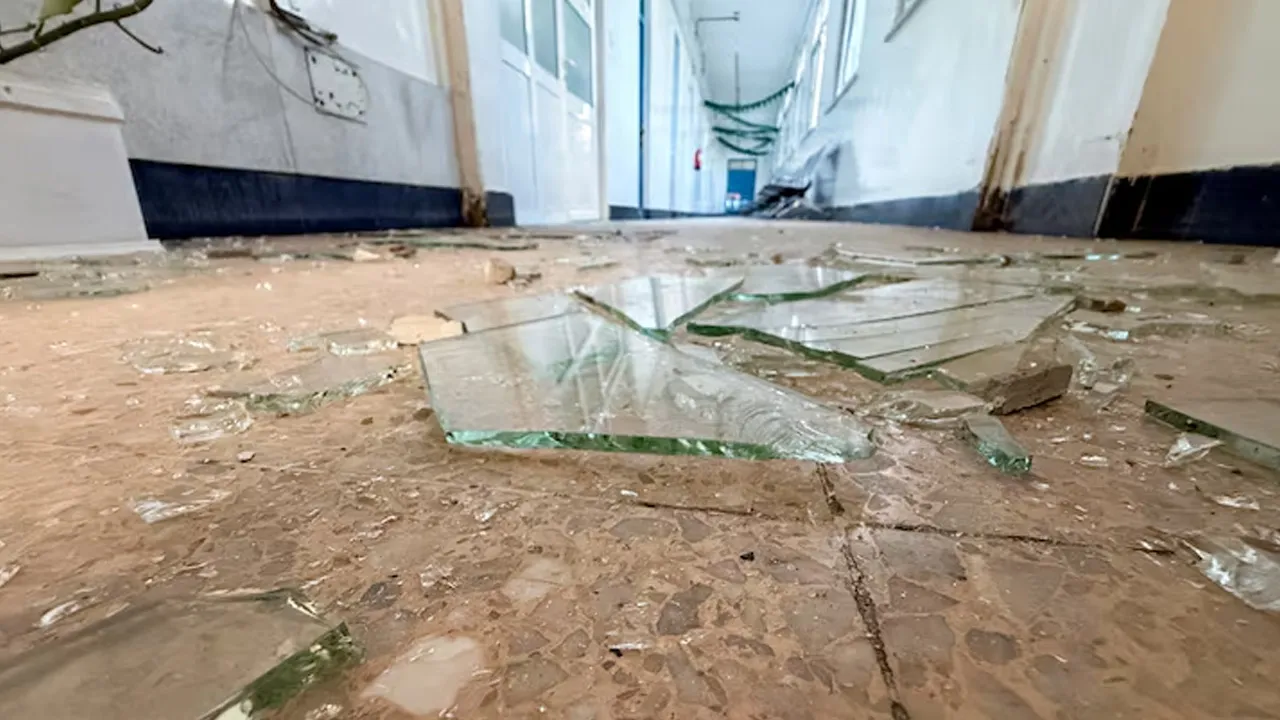
Meanwhile, the death toll in Lebanon continues to rise despite the truce, including recent Israeli strikes that killed civilians and journalist Amal Khalil.
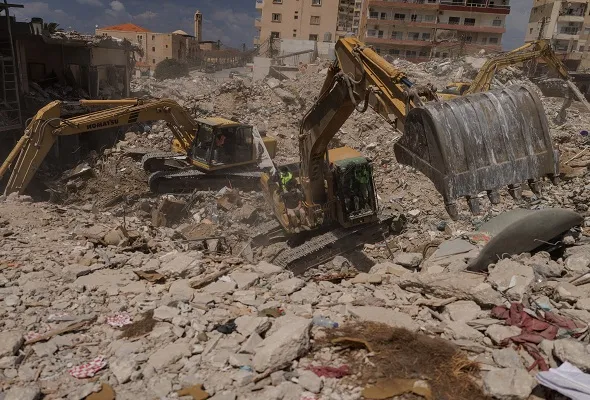
Israel says its military has been instructed to use “full force” against imminent threats and has vowed to demolish homes allegedly used by Hezbollah.
State media has reported that demolitions were underway.
According to Jad, Israel is establishing a buffer security zone of up to 12 kilometres from the Lebanese border.
He noted that similar ceasefire violations had taken place during a 2024 truce between Israel and Hezbollah.
“The Israelis are trying to guarantee in every ceasefire that they have the ability or freedom to move and target any perceived threats in Lebanon,” he said, adding these include threats against civil defence forces, journalists and humanitarian groups.