US President Donald Trump said on April 12 the U.S. Navy would immediately start blockading the Strait of Hormuz, raising the stakes after marathon talks with Iran failed to reach a deal to end the war, jeopardizing a fragile two-week ceasefire.
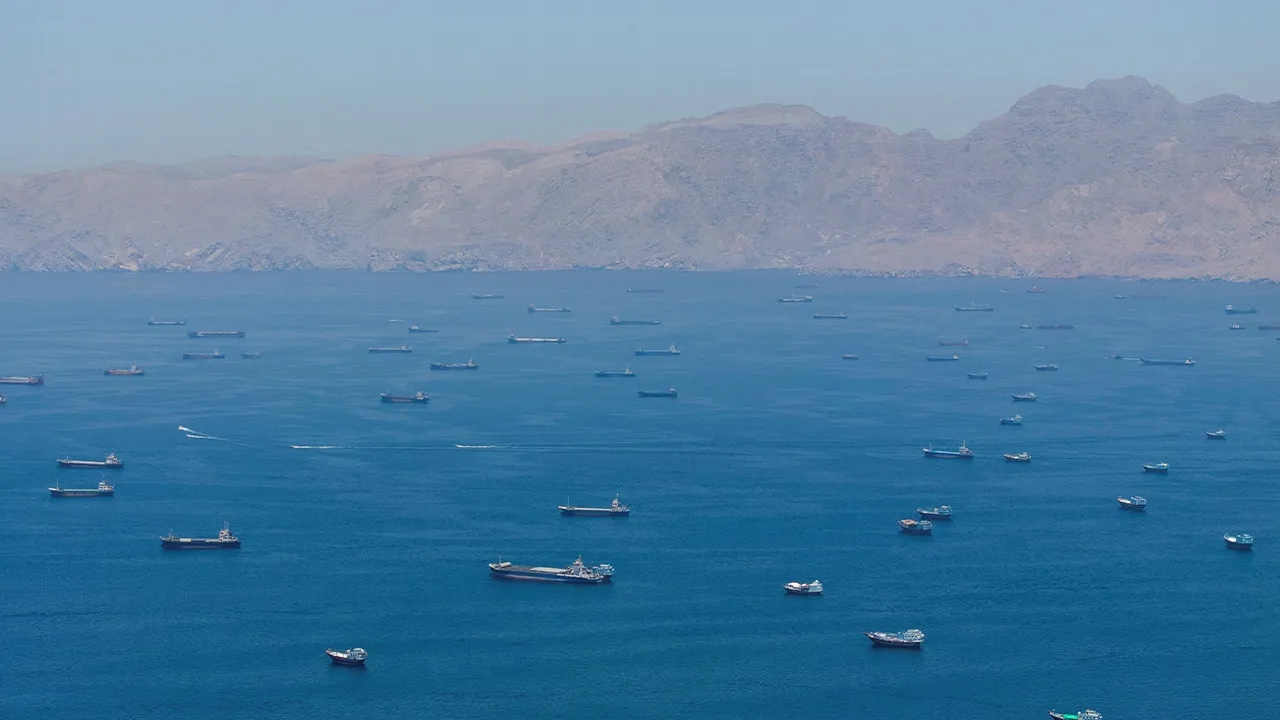
Trump also said in a post on Truth Social that the U.S. would interdict every vessel in international waters that had paid a toll to Iran, and begin destroying mines that he said the Iranians had dropped in the strait, a choke point for about 20% of global energy supplies that Iran has blocked.
Each side had earlier blamed the other for the failure of talks to end six weeks of fighting that has killed thousands, roiled the global economy and sent oil prices soaring.
Iran's Parliamentary Speaker Mohammad Baqer Qalibaf, who led his country's delegation along with Foreign Minister Abbas Araqchi, blamed the U.S. for not winning Tehran's trust despite his team offering "forward-looking initiatives."
The talks, after a ceasefire earlier in the week, were the first direct U.S.-Iranian meeting in more than a decade and the highest-level discussions since the 1979 Islamic Revolution.
Vance said Iran had chosen not to accept American terms, including not to build nuclear weapons.
Iran's semi-official Tasnim news agency said "excessive" U.S. demands had hindered reaching a deal. Other Iranian media said there was agreement on a number of issues, but the Strait of Hormuz and Iran's nuclear program were the main points of difference.
Pakistan's Foreign Minister Ishaq Dar said it was "imperative" to preserve the ceasefire that was agreed last Tuesday as the sides attempt to wind down a war that began on February 28 with air strikes by the U.S. and Israel on Iran.
Tehran is demanding control of the Strait of Hormuz, payment of war reparations and a ceasefire across the region, including in Lebanon, according to Iranian state TV and officials, as well as the release of its frozen assets abroad.
Tehran also wants to collect transit fees in the Strait of Hormuz.
Despite the differences in Islamabad, three supertankers fully laden with oil passed through the Strait of Hormuz on Saturday, shipping data showed, in what appeared to be the first vessels to exit the Gulf since the ceasefire deal.
Hundreds of tankers are still stuck in the Gulf, waiting to exit during the two-week ceasefire period.
Trump's stated goals have shifted, but as a minimum he wants free passage for global shipping through the strait and the crippling of Iran's nuclear enrichment program to ensure it cannot produce an atomic bomb.
Tehran has long denied seeking to build a nuclear weapon.