AI Brief
- Wildfires in Indonesia continue to cause severe haze across Southeast Asia, with no signs of improvement as of October 16.
- Singapore and Malaysia have experienced hazardous air quality, and respiratory illnesses have increased due to the persistent pollution.
- Political tensions have risen as regional officials question Indonesia's response and reluctance to accept neighbouring assistance.
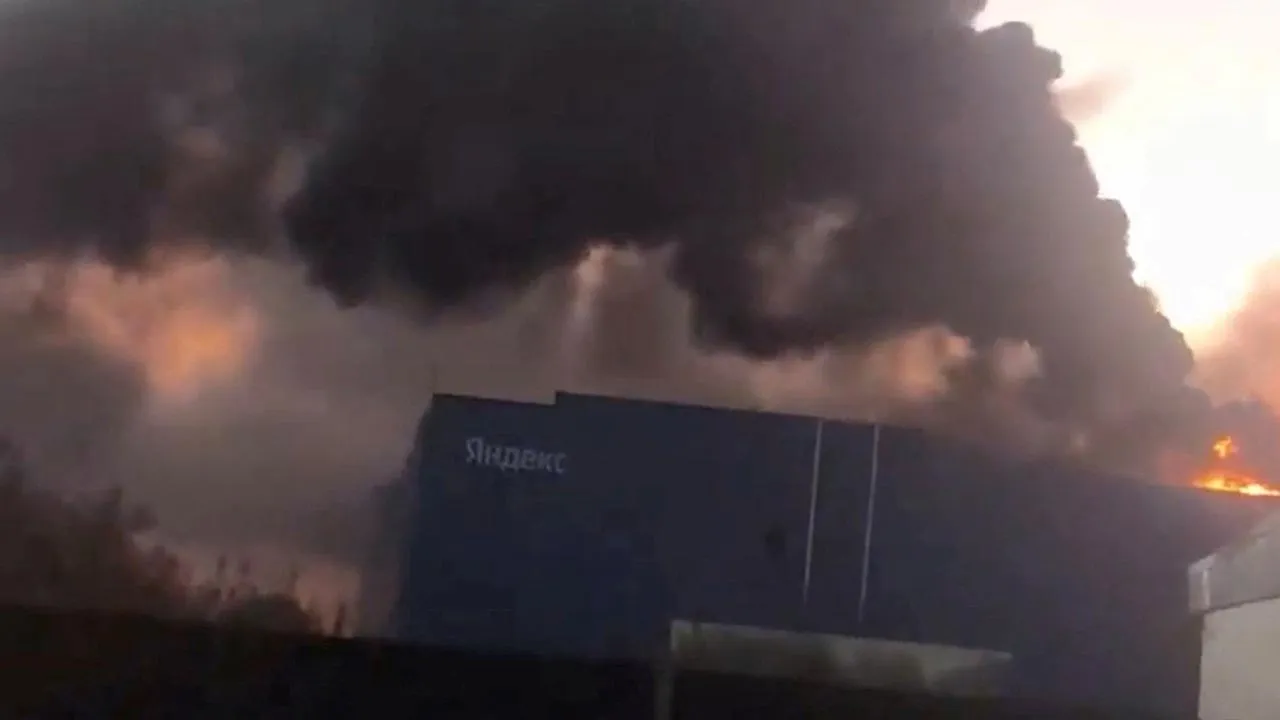
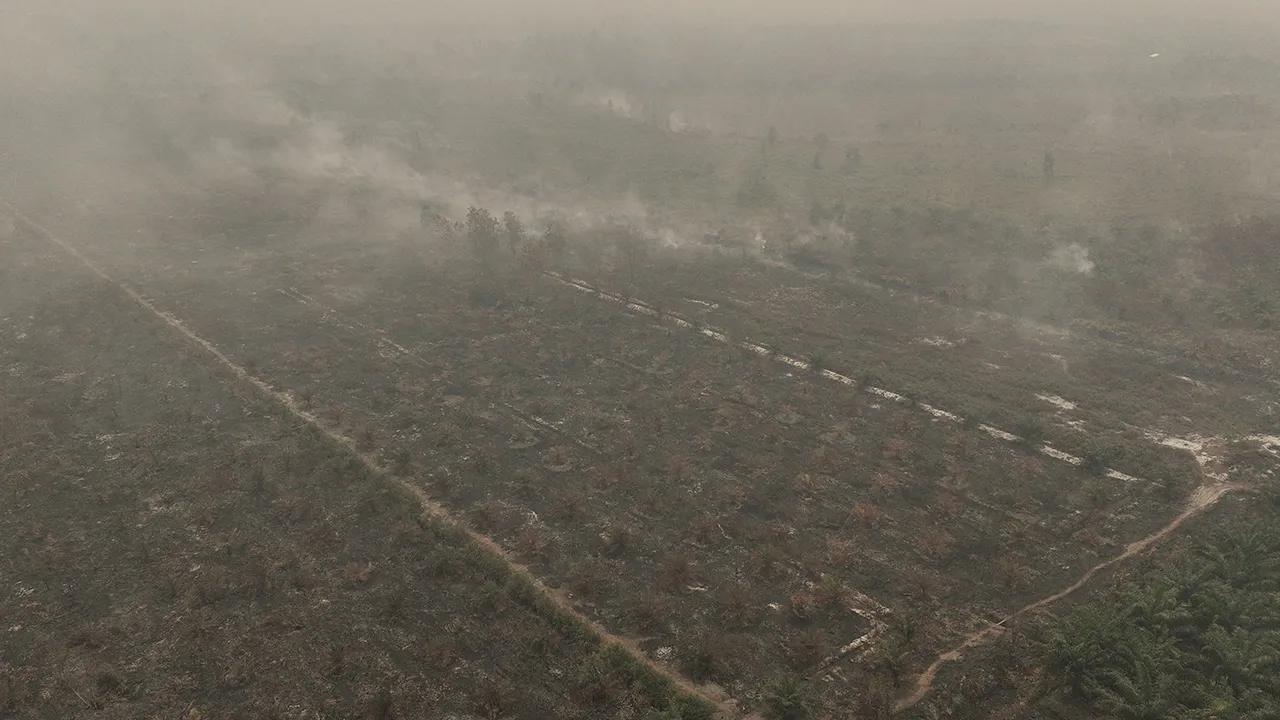
Southeast Asia’s haze showed no signs of abating on Friday (October 16) as wildfires in Indonesia continued to rage.
Months of sustained wildfires in Indonesia have caused a spike in respiratory illnesses and blanketed several Southeast Asian countries in hazardous haze, with Singapore and Malaysia also hit badly over the last week.
The pollution has stoked political tensions across the region, with officials questioning Jakarta's handling of the fires as well as its reluctance to accept help from its neighbours.
The haze is made up of fumes from forest and peatland fires across Indonesia, most notably on the islands of Borneo and Sumatra, which are made up of dense forests and vast stretches of peatland that are especially prone to fire during the dry season, which usually runs from April to October.
The region is also currently under the influence of severe "super-El Niño" weather conditions, which brought additional heat and dryness and caused wildfires to spread more quickly.
The last time Indonesia experienced such intense fires was 2015, when El Niño conditions were similarly severe.