VIENNA: A planned U.S.-Saudi atomic deal does not include Riyadh signing the Additional Protocol that gives the U.N. nuclear watchdog sweeping inspection powers, but something close to it on some points is in the works, the agency's chief said on Monday.
The U.S. and Saudi Arabia reached an agreement on civil nuclear power cooperation in July that would let Riyadh enrich uranium and build nuclear reactors using U.S. technology.
Non-proliferation groups, such as the Arms Control Association, have criticised the planned "123 agreement" for not including the Additional Protocol, which grants the International Atomic Energy Agency extra powers such as the ability to carry out snap inspections at undeclared locations.
Iran implemented the Additional Protocol from 2016 to 2021 under a nuclear deal with major powers that unravelled after the U.S. pulled out in 2018.
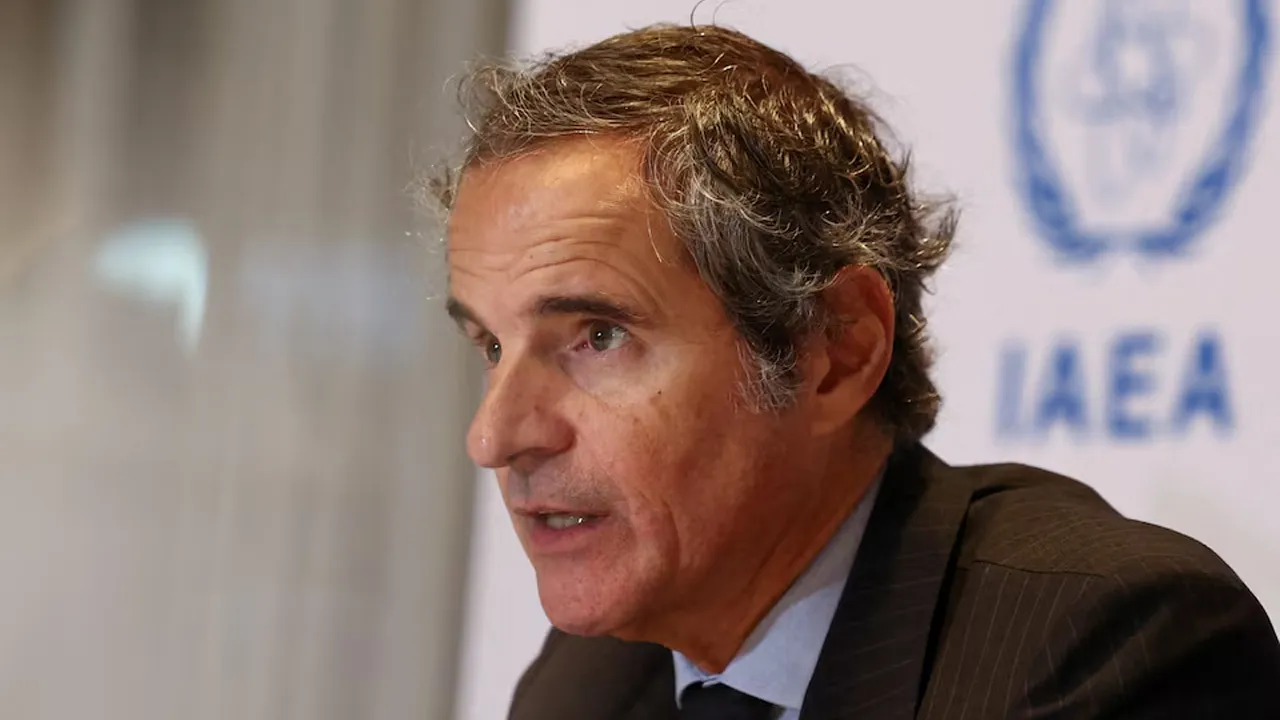
IAEA chief Rafael Grossi said while the Additional Protocol would be the "ideal setup", Riyadh was preparing to go beyond its core obligations under its Comprehensive Safeguards Agreement governing relations with the IAEA.
"What is important is that in the consultations, in the preparation process, it has been possible to introduce a number of provisions to the bilateral agreement that will give the agency additional verification and monitoring authorisations," he told a press conference.
Those would be in relation to activities such as uranium enrichment and the step preceding it known as uranium conversion, as well as reprocessing, which can separate plutonium from spent reactor fuel.
"These are sensitive activities, as we all know. So for those we are going to have authorisations and capacities which are very, very similar to those that you may find in an Additional Protocol," he said, without elaborating.
Once the details are finalised, the bilateral agreement between the IAEA and Saudi Arabia will be presented to the IAEA's 35-nation Board of Governors, Grossi said.