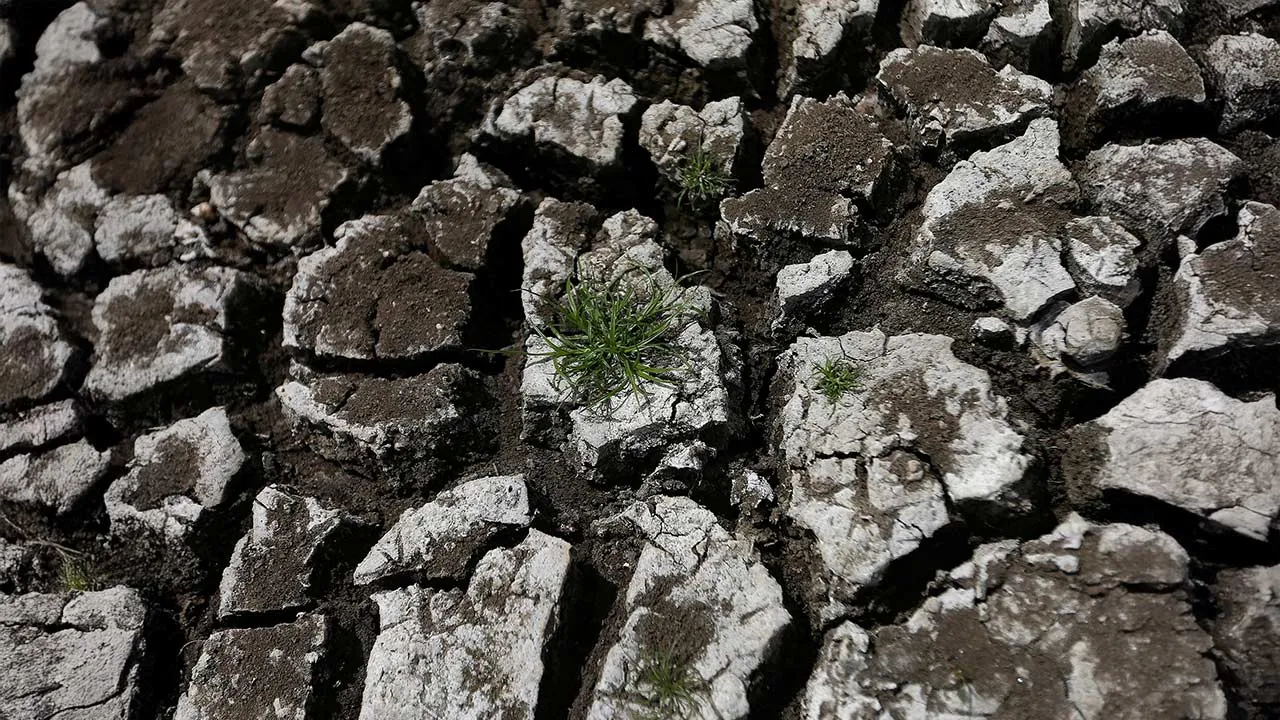
COLOMBO: Sri Lanka's government has arranged for water to be delivered to nearly 72,000 people across seven districts as the country tackles a drought linked to this year's severe El Niño, a senior official said on Thursday.
El Niño is a naturally occurring weather pattern whose impact varies from region to region. It can lead to both drought and flooding and exaggerate the impact of global warming.
The Sri Lankan government has said the impact this year could be the worst in decades and that water levels at hundreds of small tanks in the country have dropped to about 10%.
Apart from reducing the availability of drinking water, crops including coconut and vegetables are becoming stressed.
The government has allocated Rs.4.8 billion (US$14 million) from the budget for water distribution.
Minister of Environment Dammika Patabendi told reporters the government had expected El Niño to peak around November but now believed it would peak sooner.
"For now we have plans to address challenges till the third week of September. We will revise and extend response measures as necessary," he said.
After September, he said the year-end monsoons should bring heavy rain, but that drought could return at the beginning of next year.
Sri Lanka experienced its last El Niño episode in 2015-2016.
The minister said trucks were transporting water from the parts of the country that were not affected by drought. Each family was receiving about 75 litres (20 U.S. gallons) of water every two to three days for their drinking and sanitation needs.
Wildlife parks, especially Yala National Park, which has Sri Lanka's largest population of an endemic sub-species of leopard, were also receiving water.
Director General of the Department of Wildlife Conservation L. Marasinghe said solar power was being used to pump water to the park.