
KUALA LUMPUR: Hefty U.S. tariffs imposed on Southeast Asian countries will loom over a meeting between U.S. Trade Representative Jamieson Greer and his regional counterparts in Kuala Lumpur on Wednesday that is meant to discuss a trade and investment agreement.
AI Brief
Southeast Asian countries rely heavily on exports to drive economic growth, and there is great concern about the impact of the U.S. tariffs, which have been set at 19% and 20% for most of the region. Laos and Myanmar have been hit with a 40% rate, while Singapore has a 10% tariff.
"Whether we will be discussing tariffs, it’s something that we will see," Malaysian trade minister Tengku Zafrul Aziz, who is hosting ministers from the 10-member Association of Southeast Asian Nations for a round of economic talks this week, told reporters on Tuesday.
"The fact that all the ASEAN economic ministers are still here to discuss with the U.S., and the fact that the USTR himself is here, show that both ASEAN and the U.S. value each other’s relationship when it comes to trade and investment, and that’s what’s important."
Vietnam, the world's sixth-largest exporter to the United States, risks losing US$25 billion annually as a result of the 20% tariff imposed on their goods, which would make it the worst-hit in the region, according to estimates released by the United Nations Development Programme.
The ASEAN bloc has largely pursued separate negotiations with the United States on the tariffs. But it may be driven to take a more unified position amid risks of steeper sectoral tariffs on industries such as semiconductors, a significant contributor to economies such as Thailand, Malaysia, and Vietnam.
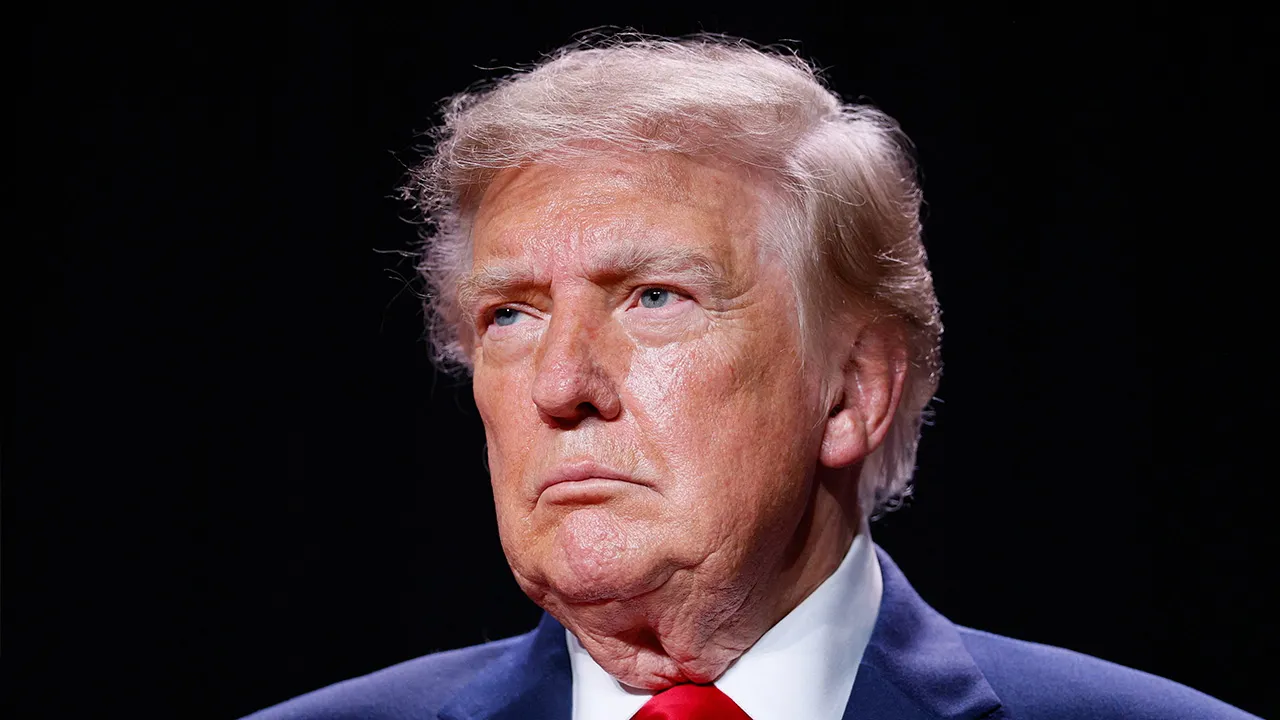
U.S. President Donald Trump said last month he would set a tariff of about 100% on semiconductors, but it would not apply to companies that are manufacturing in the U.S. or have committed to do so.
Your gateway to global news, insights, and stories that matter.

AI Brief
- ASEAN countries are concerned about US tariffs ranging from 10% to 40%, which threaten export-driven economies.
- Vietnam may lose US$25 billion annually due to a 20% tariff, making it the regions most affected country.
- US plans 100% tariffs on semiconductors, pushing ASEAN to consider a unified response to protect key industries.
Southeast Asian countries rely heavily on exports to drive economic growth, and there is great concern about the impact of the U.S. tariffs, which have been set at 19% and 20% for most of the region. Laos and Myanmar have been hit with a 40% rate, while Singapore has a 10% tariff.
"Whether we will be discussing tariffs, it’s something that we will see," Malaysian trade minister Tengku Zafrul Aziz, who is hosting ministers from the 10-member Association of Southeast Asian Nations for a round of economic talks this week, told reporters on Tuesday.
"The fact that all the ASEAN economic ministers are still here to discuss with the U.S., and the fact that the USTR himself is here, show that both ASEAN and the U.S. value each other’s relationship when it comes to trade and investment, and that’s what’s important."
Vietnam, the world's sixth-largest exporter to the United States, risks losing US$25 billion annually as a result of the 20% tariff imposed on their goods, which would make it the worst-hit in the region, according to estimates released by the United Nations Development Programme.
The ASEAN bloc has largely pursued separate negotiations with the United States on the tariffs. But it may be driven to take a more unified position amid risks of steeper sectoral tariffs on industries such as semiconductors, a significant contributor to economies such as Thailand, Malaysia, and Vietnam.
U.S. President Donald Trump said last month he would set a tariff of about 100% on semiconductors, but it would not apply to companies that are manufacturing in the U.S. or have committed to do so.