COMMERCIAL shipping traffic through the Strait of Hormuz resumed on Thursday, following the signing of a memorandum of understanding (MoU) between the United States and Iran, though shipping volumes remained well below the pre-conflict levels.
The MoU, signed by U.S. President Donald Trump and his Iranian counterpart Masoud Pezeshkian to end the Iran war on Wednesday, took effect immediately. A signing ceremony was originally scheduled for Friday in Switzerland but has later been canceled, Pakistan's Deputy Prime Minister and Foreign Minister Mohammad Ishaq Dar confirmed to local media on Thursday.
Since the outbreak of the U.S.-Israeli war against Iran on Feb 28, the strategic waterway had seen the commercial transit grind to a near-halt.
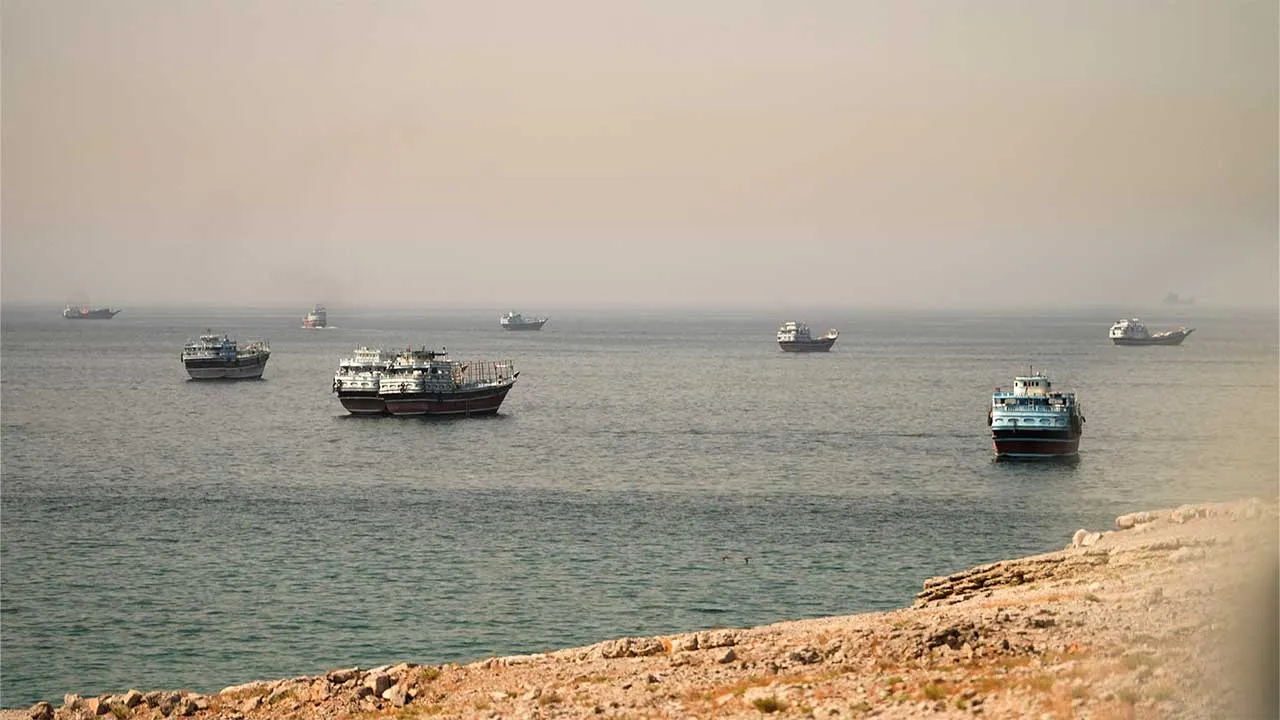
On a coastal highway in Khasab, Oman, that leads to the strait, large merchant ships were seen navigating through the waterway on Thursday, a stark contrast to the scene just two weeks ago when the horizon was entirely empty of commercial traffic.
On the southern coast of the strait, the backlog of vessels has begun to ease, the number of anchored vessels has visibly decreased, with large commercial ships slowly navigating the main shipping lanes.
Approximately two weeks ago, at the 100-day mark of the U.S.-Israeli war against Iran, over 100 ships were stranded or anchored in the surrounding waters.
Real-time data from maritime monitoring systems confirmed that a number of vessels are currently transiting the strait, but the density of traffic has not yet returned to normal parameters.
While the Strait of Hormuz has reopened, the global shipping market maintains a cautious, wait-and-see attitude, suggesting that a full return to the waterway's former prosperity will require time.