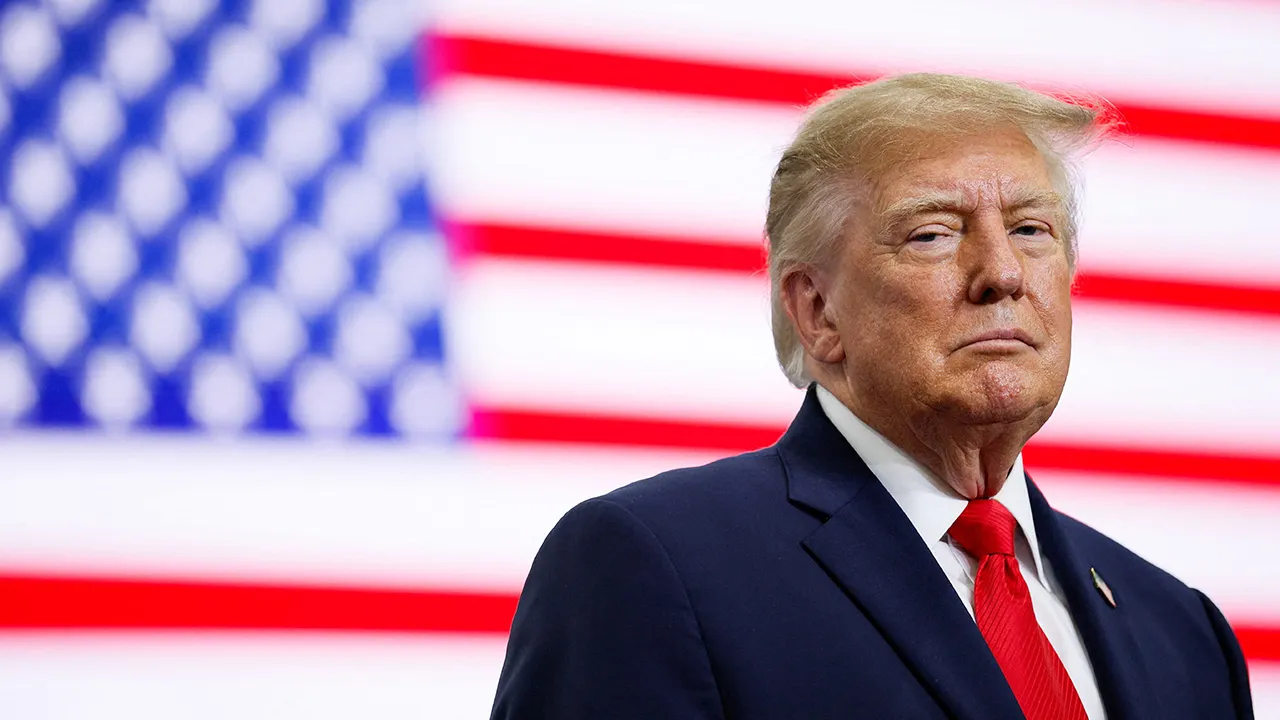
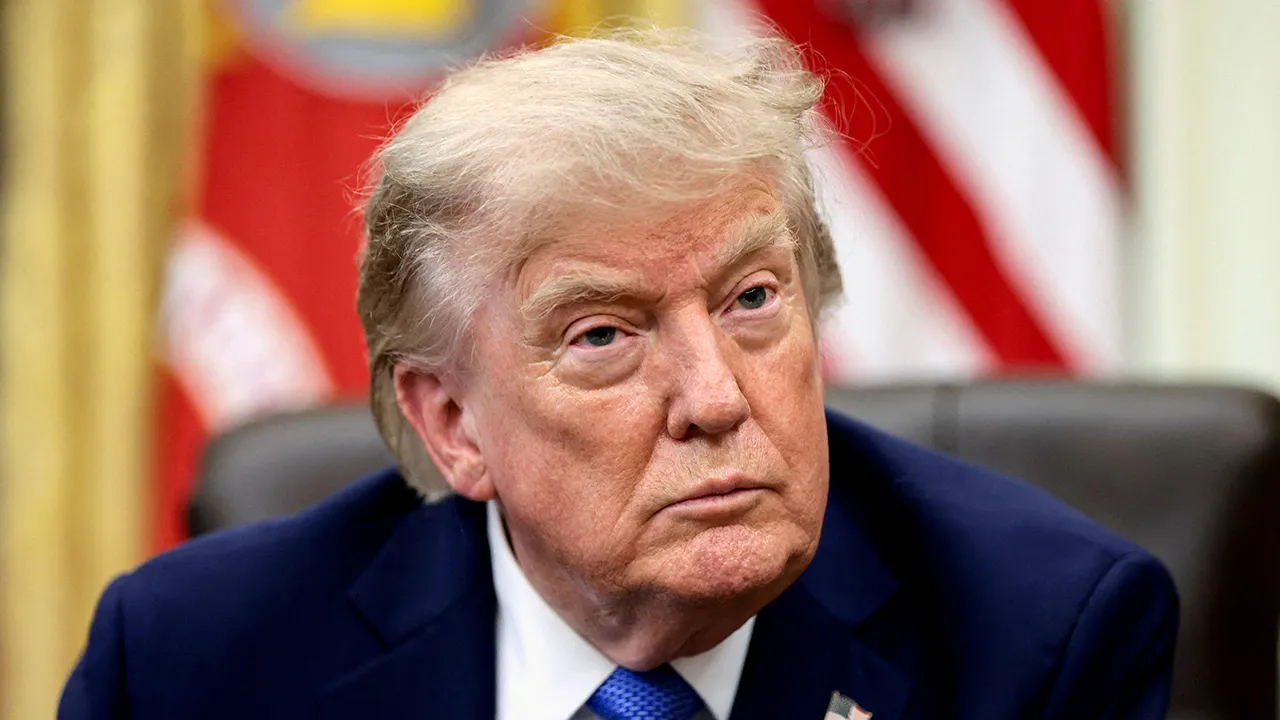
US President Donald Trump's decision on Sunday (August 16) to order last-minute cuts to joint military exercises with South Korea was "not how you treat allies" and cast serious doubt on what both governments have long described as an "ironclad" alliance, an analyst said on Monday.
Trump instructed the Pentagon to "substantially reduce" joint military exercises with long-term Asian ally South Korea, citing the cost of the drills and Seoul's refusal to take part in actions against Iran -- a move Jenny Town, director of the Stimson Center think tank's 38 North program, described as an "unprecedented" linking of two unrelated issues.
Hours before exercises were scheduled to begin, Trump said on his Truth Social site he was "not happy" that the U.S. had agreed to participate and highlighted his "very good relationship" with Kim Jong Un, the leader of nuclear-armed and heavily sanctioned North Korea.
The timing of the announcement raised serious questions about alliance readiness, arguing that with troops already deployed and preparations complete, ordering reductions at the last minute was not only wasteful but deeply confusing for those involved in the exercises, Town said.
Town added that the decision appeared to be a "hasty Sunday night" post on Trump's Truth Social platform, warning it would generate significant anxiety in a relationship the administration itself had held up as a model alliance.
The annual Ulchi Freedom Shield joint military exercises are scheduled to run until August 27, with about 18,000 South Korean military personnel participating.
South Korea's Joint Chiefs of Staff told Reuters the drills started on Monday (August 17) as scheduled, but declined comment on Trump's remarks. The country's presidential office and defense and foreign ministries did not immediately respond on a public holiday in Seoul.
A Pentagon spokesperson referred questions on the matter to the White House, which did not immediately respond to a request for details.