
WHEN South Korean President Lee Jae-Myung arrived at the White House on August 25, 2025, he came armed with both hard numbers and soft words.
AI Brief
His agenda was clear: to secure South Korea’s economic and security footing in the face of U.S. tariffs, shifting military commitments, and North Korea’s growing nuclear arsenal.
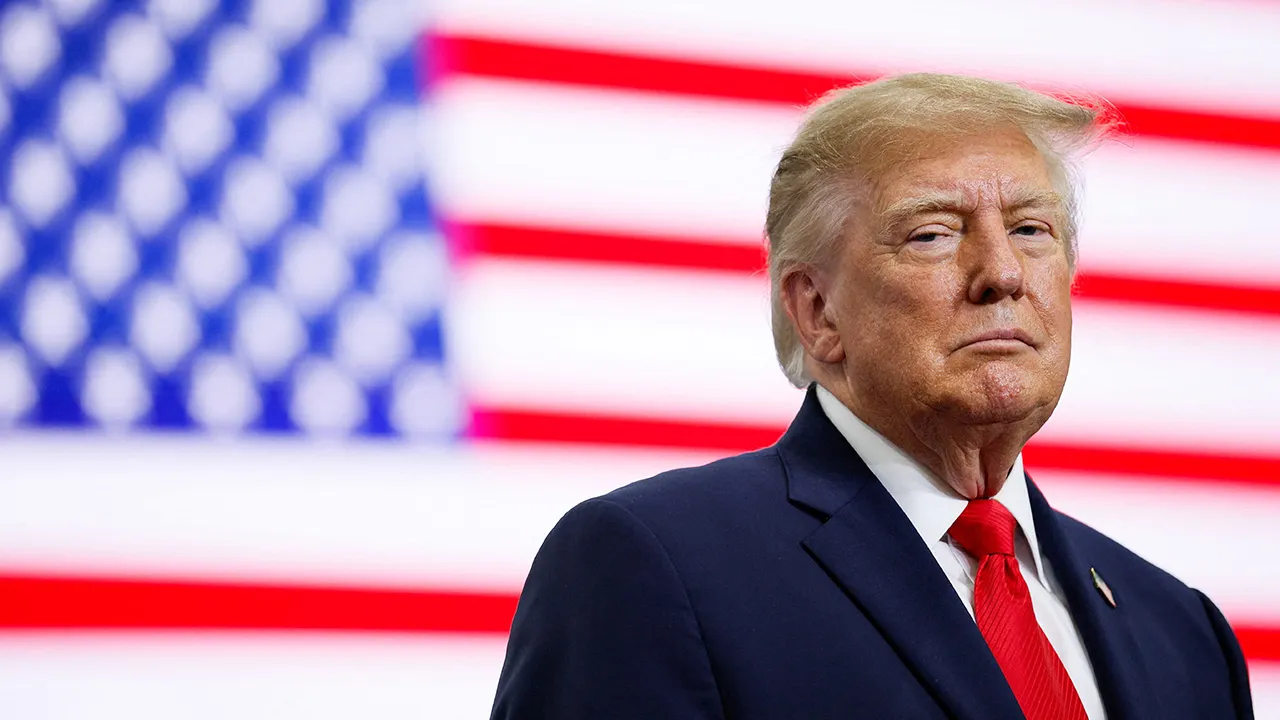
Yet even as Lee extended a firm hand of partnership, President Donald Trump’s gaze kept wandering—to Pyongyang, and to the figure who has long fascinated him: Kim Jong Un.
This fascination is not new. Trump has always seen his relationship with the North Korean leader as a rare jewel in his diplomatic crown, a reminder of his first term’s unprecedented summits. To Trump, Kim represents both unfinished business and untapped opportunity.
Speaking openly during the press conference, Trump declared he wanted to meet Kim again before the year ends, citing their “great relationship.” Such a statement, offered in the midst of hosting South Korea’s elected leader, underscores Trump’s inclination to personalise diplomacy, even at the risk of overshadowing the ally seated across from him.
For Lee, the challenge was formidable. He had to avoid becoming a prop in Trump’s theatre of personal diplomacy while ensuring Seoul’s critical concerns were heard. He did so with deftness and humour.
At one point, Lee light-heartedly suggested Trump “build a Trump World Tower in North Korea and play golf there,” an attempt to frame peace on the peninsula not in grim warnings but in relatable, even flattering terms.
Behind the jest, however, lay a serious warning: that North Korea now has the capacity to produce 10 to 20 nuclear warheads annually, a stark reminder that the stakes of Trump’s fascination are far higher than mere photo opportunities.
Economically, the summit yielded significant commitments. A July agreement set South Korea’s tariffs at 15 percent, rather than the looming 25 percent baseline, in exchange for $350 billion in U.S. investments. Korean Air sealed its largest-ever order of 103 Boeing aircraft, a tangible boost to American manufacturing and jobs that Trump was eager to tout.
Yet these deals came with political undertones: Seoul was effectively buying tariff relief and Washington’s goodwill, a pattern other U.S. allies have also confronted under Trump’s transactional—or, more accurately, flippant—approach to trade policy.
The security dimension was more delicate. Trump hinted that U.S. military bases in South Korea, such as Camp Humphreys, might shift ownership, providing Washington with greater flexibility. The message was clear: South Korea must shoulder more responsibility if the alliance is to endure.
Lee, in turn, emphasised balance—underscoring Seoul’s loyalty to its U.S. security commitments while signalling the need to maintain stable ties with China.
It was a careful dance, one designed to avoid the “Zelensky moment” many feared, in which Trump might erupt in confrontation as he did with Ukraine’s president earlier this year.
Lee’s diplomatic style helped. He acknowledged controversial domestic investigations, framing them as legitimate inquiries into the previous administration’s misuse of power.
He even admitted to having read Trump’s The Art of the Deal in preparation, a personal touch that appeared to ease Trump’s temper.
By deploying both humility and flattery, Lee transformed what could have been a contentious meeting into one that delivered outcomes—if not clarity on the North Korean question.
And therein lies the paradox. Trump may extol his unique bond with Kim Jong Un, but such fascination risks undermining America’s closest allies in the region.
For South Korea, every tariff negotiation, every military lease discussion, and every nuclear warning is existential.
For Trump, however, the prospect of another handshake with Kim seems to hold the promise of legacy—a legacy that may yet come at Seoul’s expense.
As Trump prepares for another potential summit with Kim, the world should remember that diplomacy is not built on personal chemistry alone. South Korea’s president came to Washington seeking assurances and stability, and while he secured investments and lowered tariffs, he left with a reminder that Trump’s foreign policy instincts remain firmly locked on Pyongyang.
For ASEAN and the broader region, this fixation underscores the volatility of great-power diplomacy—where allies may be valued, but adversaries-turned-friends are often prized more.
Phar Kim Beng, PhD, is Professor of ASEAN Studies and Director of the Institute of Internationaliation and ASEAN Studies (IINTAS) at the International Islamic University Malaysia.
** The views and opinions expressed in this article are those of the author(s) and do not necessarily reflect the position of Astro AWANI.
Your gateway to global news, insights, and stories that matter.

AI Brief
- South Korean President Lee sought economic and security assurances amid US tariffs and North Korea's nuclear threat.
- Trump emphasised his desire to meet Kim Jong Un again, overshadowing the summits focus on US-South Korea relations.
- Despite securing trade deals and investments, Seoul faced uncertainty as Trump's diplomacy leaned toward personal ties with adversaries.
His agenda was clear: to secure South Korea’s economic and security footing in the face of U.S. tariffs, shifting military commitments, and North Korea’s growing nuclear arsenal.
Yet even as Lee extended a firm hand of partnership, President Donald Trump’s gaze kept wandering—to Pyongyang, and to the figure who has long fascinated him: Kim Jong Un.
This fascination is not new. Trump has always seen his relationship with the North Korean leader as a rare jewel in his diplomatic crown, a reminder of his first term’s unprecedented summits. To Trump, Kim represents both unfinished business and untapped opportunity.
Speaking openly during the press conference, Trump declared he wanted to meet Kim again before the year ends, citing their “great relationship.” Such a statement, offered in the midst of hosting South Korea’s elected leader, underscores Trump’s inclination to personalise diplomacy, even at the risk of overshadowing the ally seated across from him.
For Lee, the challenge was formidable. He had to avoid becoming a prop in Trump’s theatre of personal diplomacy while ensuring Seoul’s critical concerns were heard. He did so with deftness and humour.
At one point, Lee light-heartedly suggested Trump “build a Trump World Tower in North Korea and play golf there,” an attempt to frame peace on the peninsula not in grim warnings but in relatable, even flattering terms.
Behind the jest, however, lay a serious warning: that North Korea now has the capacity to produce 10 to 20 nuclear warheads annually, a stark reminder that the stakes of Trump’s fascination are far higher than mere photo opportunities.
Economically, the summit yielded significant commitments. A July agreement set South Korea’s tariffs at 15 percent, rather than the looming 25 percent baseline, in exchange for $350 billion in U.S. investments. Korean Air sealed its largest-ever order of 103 Boeing aircraft, a tangible boost to American manufacturing and jobs that Trump was eager to tout.
Yet these deals came with political undertones: Seoul was effectively buying tariff relief and Washington’s goodwill, a pattern other U.S. allies have also confronted under Trump’s transactional—or, more accurately, flippant—approach to trade policy.
The security dimension was more delicate. Trump hinted that U.S. military bases in South Korea, such as Camp Humphreys, might shift ownership, providing Washington with greater flexibility. The message was clear: South Korea must shoulder more responsibility if the alliance is to endure.
Lee, in turn, emphasised balance—underscoring Seoul’s loyalty to its U.S. security commitments while signalling the need to maintain stable ties with China.
It was a careful dance, one designed to avoid the “Zelensky moment” many feared, in which Trump might erupt in confrontation as he did with Ukraine’s president earlier this year.
Lee’s diplomatic style helped. He acknowledged controversial domestic investigations, framing them as legitimate inquiries into the previous administration’s misuse of power.
He even admitted to having read Trump’s The Art of the Deal in preparation, a personal touch that appeared to ease Trump’s temper.
By deploying both humility and flattery, Lee transformed what could have been a contentious meeting into one that delivered outcomes—if not clarity on the North Korean question.
And therein lies the paradox. Trump may extol his unique bond with Kim Jong Un, but such fascination risks undermining America’s closest allies in the region.
For South Korea, every tariff negotiation, every military lease discussion, and every nuclear warning is existential.
For Trump, however, the prospect of another handshake with Kim seems to hold the promise of legacy—a legacy that may yet come at Seoul’s expense.
As Trump prepares for another potential summit with Kim, the world should remember that diplomacy is not built on personal chemistry alone. South Korea’s president came to Washington seeking assurances and stability, and while he secured investments and lowered tariffs, he left with a reminder that Trump’s foreign policy instincts remain firmly locked on Pyongyang.
For ASEAN and the broader region, this fixation underscores the volatility of great-power diplomacy—where allies may be valued, but adversaries-turned-friends are often prized more.
Phar Kim Beng, PhD, is Professor of ASEAN Studies and Director of the Institute of Internationaliation and ASEAN Studies (IINTAS) at the International Islamic University Malaysia.
** The views and opinions expressed in this article are those of the author(s) and do not necessarily reflect the position of Astro AWANI.