UNCERTAINTY surrounding peace talks between the United States and Iran has deepened amid persistent disagreements and signs of renewed strain.
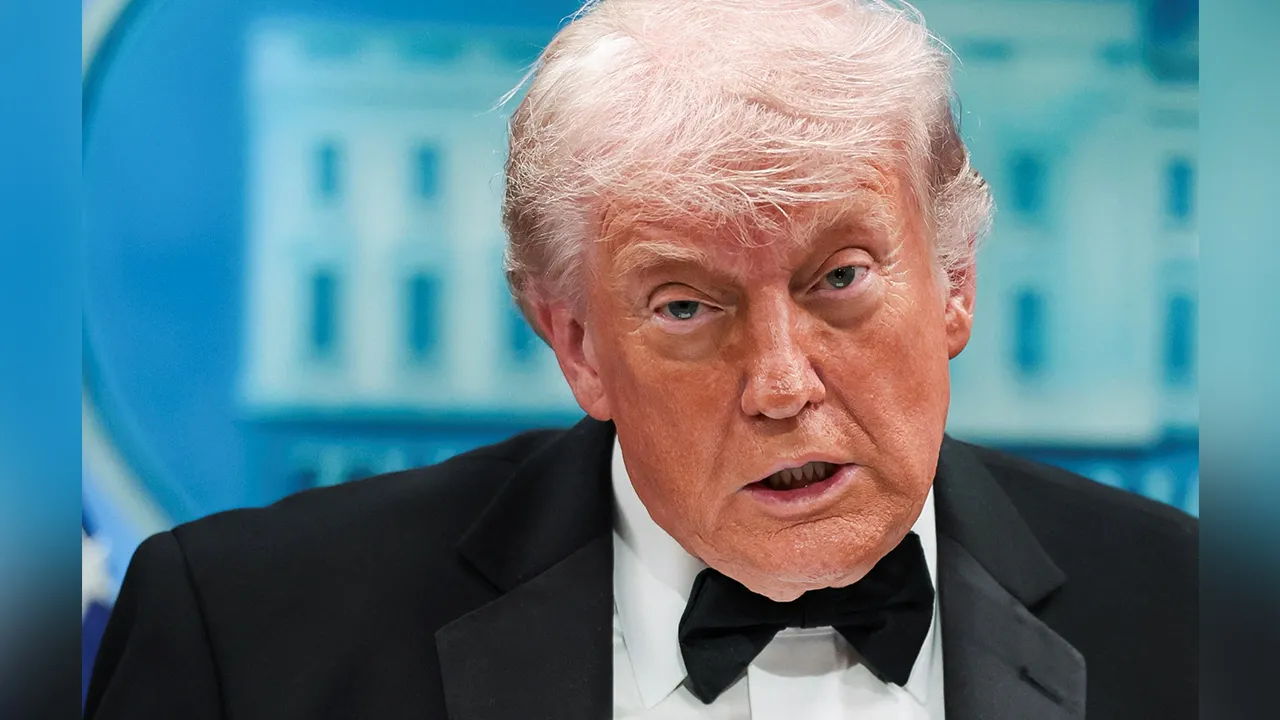
U.S. President Donald Trump said Sunday that he would no longer send delegations to hold talks with Iran, saying Tehran should contact Washington directly if it wants to negotiate.
"If they want, we can talk. But we're not sending people to travel 18 hours to meet," Trump told Fox News.
Trump also said he had great respect for Pakistan, which had been hosting U.S.-Iranian talks in Islamabad and added that Pakistan would remain involved.
He reiterated that Iran "cannot have a nuclear weapon," saying, "Otherwise, there's no reason to meet."
Iranian President Masoud Pezeshkian said U.S. pressure and hostile actions are undermining trust and making progress toward renewed talks more difficult, according to a statement from his office early Sunday.
He added that Washington cannot pursue negotiations while increasing pressure on Iran, saying such actions "disrupt the necessary atmosphere" for diplomacy.
Iran's semi-official Tasnim News Agency reported Sunday that Iranian Foreign Minister Seyed Abbas Araghchi has conveyed Iran's conditions for ending the war to Pakistan, a mediating country.
Araghchi conveyed Tehran's "red lines" to the United States through Pakistan during his recent visit, the semi-official Fars news agency reported on Sunday.
The report said that the "red lines," relayed to the U.S. side in the form of written messages, pertain to Tehran's nuclear program and the Strait of Hormuz.
The exchange of messages was not related to negotiations but rather part of an initiative by Iran to clarify the situation in the region and explicitly announce its red lines, said the report.
Araghchi on Sunday traveled to the Pakistani capital Islamabad for the second visit since Friday, following a brief stop in Oman. He then left Islamabad and is expected to travel to Moscow, sources say.