

KUALA LUMPUR: The United States is facing growing scrutiny over a series of lethal strikes against vessels in international waters carried out under counter-narcotics operations.
According to Javed Ali, an associate professor at the Gerald R. Ford School of Public Policy and a former U.S. national security and intelligence official, the strikes rest on executive authority rather than congressional approval.
He said the legal framework rests on a presidential directive signed in late July, a Justice Department legal review and a military execution order issued by the Department of War.
“These instruments together form a policy basis, but there is no law passed by Congress authorising these operations.” Ali told AWANI International.
Unlike many U.S. military actions since the September 11 attacks, the campaign does not rely on the 2001 Authorisation to Use Military Force (AUMF), which underpins operations against extremist groups.
Ali said the situation leaves unresolved questions under international law, particularly regarding the use of force in international waters without publicly disclosed evidence.
He added that the strikes have also raised concerns about escalation with Venezuela.
Ali noted that the current framework does not authorise action on Venezuelan territory or attempts to remove President Nicolás Maduro from power, unless the administration were to claim an imminent threat to the United States.
While the campaign remains limited to maritime operations, Ali also questioned its effectiveness in pressuring the Maduro government, noting that the targeted vessels have not been publicly linked to Venezuelan state authorities.
“If the campaign against the boats is to put pressure on the Maduro regime, I don't think that's going to be an effective tool, because by and large, probably most of these boats are not directly linked to the Venezuelan government, at least that case hasn't been made public.” he said.
In fact, Ali argued that the longer the campaign continues, the more pressure the administration may face domestically to justify the deployment of significant military assets in the region, particularly as the U.S confronts competing security demands elsewhere.
Ultimately, he said the situation has become a strategic waiting game.
"The longer the campaign continues, the more pressure the administration may face domestically to justify the deployment of significant military assets in the region," he said.
Without congressional authorisation or a clearly articulated escalation path, Ali said, the strategy risks becoming a prolonged standoff that could undermine Washington’s credibility if it fails to produce tangible political outcomes.
Your gateway to global news, insights, and stories that matter.
According to Javed Ali, an associate professor at the Gerald R. Ford School of Public Policy and a former U.S. national security and intelligence official, the strikes rest on executive authority rather than congressional approval.
He said the legal framework rests on a presidential directive signed in late July, a Justice Department legal review and a military execution order issued by the Department of War.
“These instruments together form a policy basis, but there is no law passed by Congress authorising these operations.” Ali told AWANI International.
Unlike many U.S. military actions since the September 11 attacks, the campaign does not rely on the 2001 Authorisation to Use Military Force (AUMF), which underpins operations against extremist groups.
Ali said the situation leaves unresolved questions under international law, particularly regarding the use of force in international waters without publicly disclosed evidence.
He added that the strikes have also raised concerns about escalation with Venezuela.
Ali noted that the current framework does not authorise action on Venezuelan territory or attempts to remove President Nicolás Maduro from power, unless the administration were to claim an imminent threat to the United States.
While the campaign remains limited to maritime operations, Ali also questioned its effectiveness in pressuring the Maduro government, noting that the targeted vessels have not been publicly linked to Venezuelan state authorities.
“If the campaign against the boats is to put pressure on the Maduro regime, I don't think that's going to be an effective tool, because by and large, probably most of these boats are not directly linked to the Venezuelan government, at least that case hasn't been made public.” he said.
In fact, Ali argued that the longer the campaign continues, the more pressure the administration may face domestically to justify the deployment of significant military assets in the region, particularly as the U.S confronts competing security demands elsewhere.
Ultimately, he said the situation has become a strategic waiting game.
"The longer the campaign continues, the more pressure the administration may face domestically to justify the deployment of significant military assets in the region," he said.
Without congressional authorisation or a clearly articulated escalation path, Ali said, the strategy risks becoming a prolonged standoff that could undermine Washington’s credibility if it fails to produce tangible political outcomes.
Your gateway to global news, insights, and stories that matter.


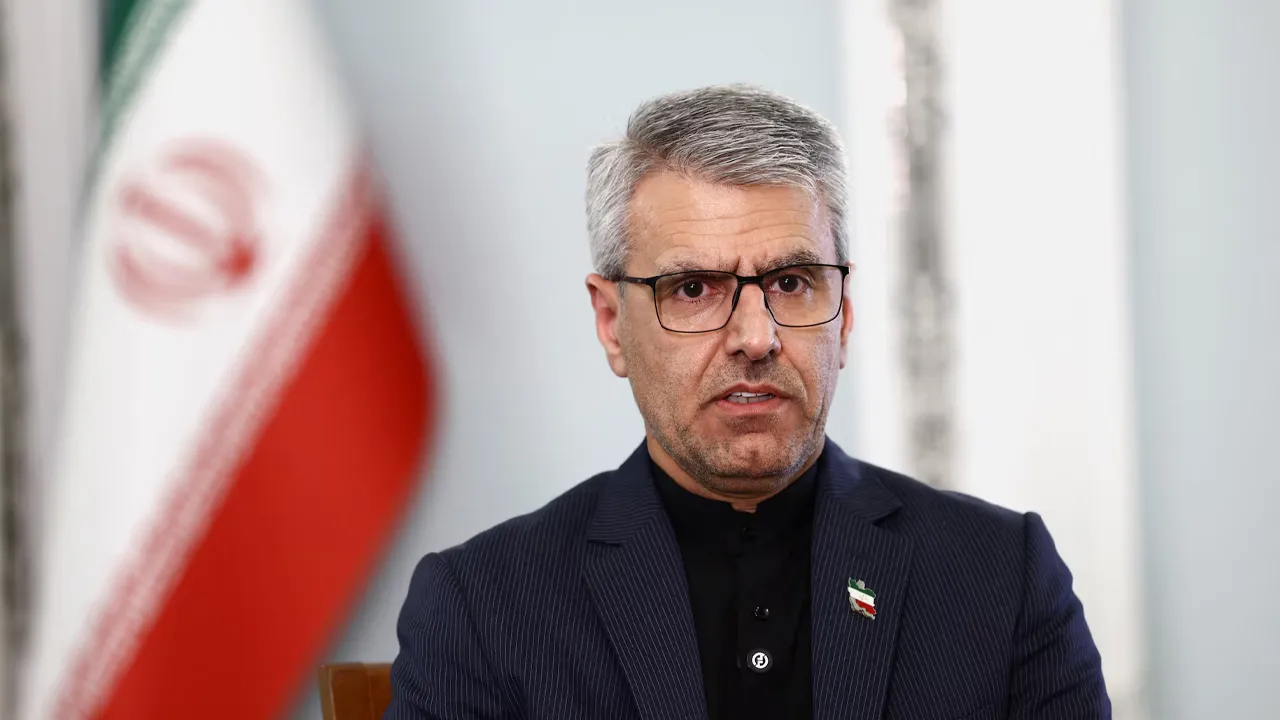

![[TB]_MOHAMMAD BAQER QALIBAF_REUTERS](https://resizer-vortals.eco.astro.com.my/tr:w-auto,h-auto,q-80,f-webp/https://media.astroawani.com/awani/media/uploads/image/2026-06/%5BTB%5D_MOHAMMAD%20BAQER%20QALIBAF_REUTERS.jpg?VersionId=c2M.7Z1RLi5oh1aN2eNbrWH3.0eXA7p4 "[TB]_MOHAMMAD BAQER QALIBAF_REUTERS")