
WASHINGTON: A Democratic senator introduced legislation on Monday to prevent U.S. President Donald Trump from using military force against Iran without Congress's authorization, as an escalating battle between Israel and Iran raised fears of broader conflict.
AI Brief
Tim Kaine of Virginia has tried for years to wrest back Congress's authority to declare war from the White House.
During Trump's first term, in 2020, Kaine introduced a similar resolution to rein in Trump's ability to wage war against Iran. That measure passed both the Senate and House of Representatives, winning some Republican support, but did not garner enough votes to survive the Republican president's veto.
Kaine said his latest war powers resolution underscores that the U.S. Constitution gives Congress, not the president, the sole power to declare war and requires that any hostility with Iran be explicitly authorized by a declaration of war or specific authorization for the use of military force.
"It is not in our national security interest to get into a war with Iran unless that war is absolutely necessary to defend the United States. I am deeply concerned that the recent escalation of hostilities between Israel and Iran could quickly pull the United States into another endless conflict," Kaine said in a statement.
Under U.S. law, war powers resolutions are privileged, meaning that the Senate will be required to promptly consider and vote on the matter.
Israel's military launched attacks on Iran on Friday with the stated aim of wiping out Iran's nuclear and ballistic missile programs. Iran, which says its nuclear program is for peaceful purposes, responded with missile attacks on Israel.
Both countries have kept up their attacks, killing and wounding civilians and raising concern among world leaders meeting in Canada this week that the biggest battle between the two old enemies could lead to a broader regional conflict.
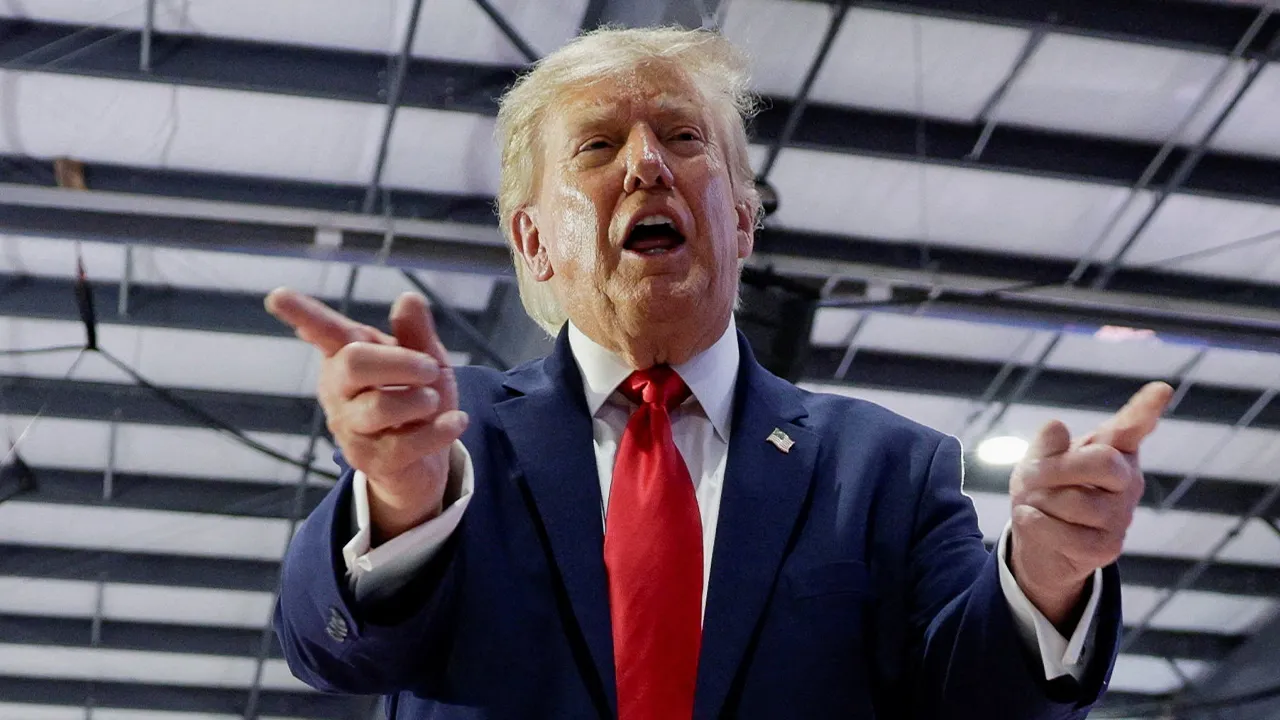
Trump has lauded Israel's offensive while denying Iranian allegations that the U.S. has taken part and warning Tehran not to widen its retaliation to include U.S. targets.
Before leaving for the summit in Canada on Sunday, Trump was asked what he was doing to de-escalate the situation. "I hope there's going to be a deal. I think it's time for a deal," he told reporters. "Sometimes they have to fight it out."
Dapatkan berita terkini di sini

AI Brief
- Senator Tim Kaine reintroduced a resolution to require congressional approval before any US military action against Iran.
- The move comes amid growing fears the Israel-Iran conflict could pull the US into another prolonged war.
- Trump supports Israel's offensive but denies US involvement while hinting a deal may be possible.
Tim Kaine of Virginia has tried for years to wrest back Congress's authority to declare war from the White House.
During Trump's first term, in 2020, Kaine introduced a similar resolution to rein in Trump's ability to wage war against Iran. That measure passed both the Senate and House of Representatives, winning some Republican support, but did not garner enough votes to survive the Republican president's veto.
Kaine said his latest war powers resolution underscores that the U.S. Constitution gives Congress, not the president, the sole power to declare war and requires that any hostility with Iran be explicitly authorized by a declaration of war or specific authorization for the use of military force.
"It is not in our national security interest to get into a war with Iran unless that war is absolutely necessary to defend the United States. I am deeply concerned that the recent escalation of hostilities between Israel and Iran could quickly pull the United States into another endless conflict," Kaine said in a statement.
Under U.S. law, war powers resolutions are privileged, meaning that the Senate will be required to promptly consider and vote on the matter.
Israel's military launched attacks on Iran on Friday with the stated aim of wiping out Iran's nuclear and ballistic missile programs. Iran, which says its nuclear program is for peaceful purposes, responded with missile attacks on Israel.
Both countries have kept up their attacks, killing and wounding civilians and raising concern among world leaders meeting in Canada this week that the biggest battle between the two old enemies could lead to a broader regional conflict.
Trump has lauded Israel's offensive while denying Iranian allegations that the U.S. has taken part and warning Tehran not to widen its retaliation to include U.S. targets.
Before leaving for the summit in Canada on Sunday, Trump was asked what he was doing to de-escalate the situation. "I hope there's going to be a deal. I think it's time for a deal," he told reporters. "Sometimes they have to fight it out."