
Media reports citing government documents have implicated Xinjiang’s cotton supply chain of forced labour. The reports alleged up to 1.5 million Uyghurs, Kazakhs and other Turkic minorities are being held as forced labour.
HERE'S WHAT YOU NEED TO KNOW:
WHAT DID THE CHINESE GOVERNMENT SAY?
WHY DOES IT MATTER?
ABOUT THE UYGHURS AND XINJIANG
HERE'S WHAT YOU NEED TO KNOW:
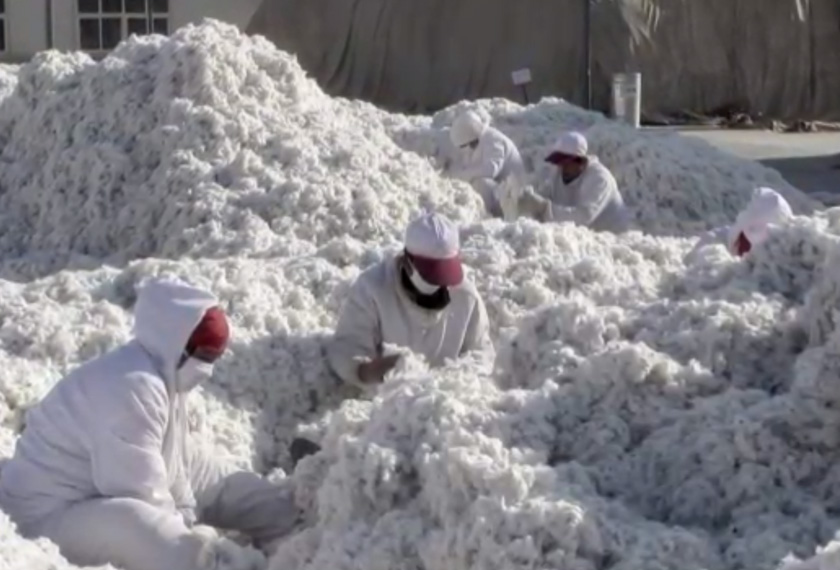
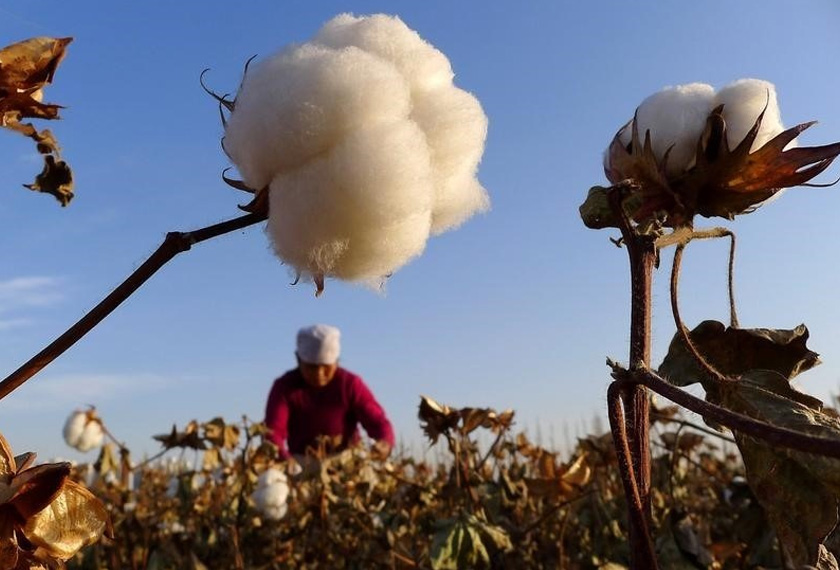
- A BBC investigation claims China is making hundreds of thousands of Uyghurs and other ethnic minorities pick cotton across fields in the region of Xinjiang.
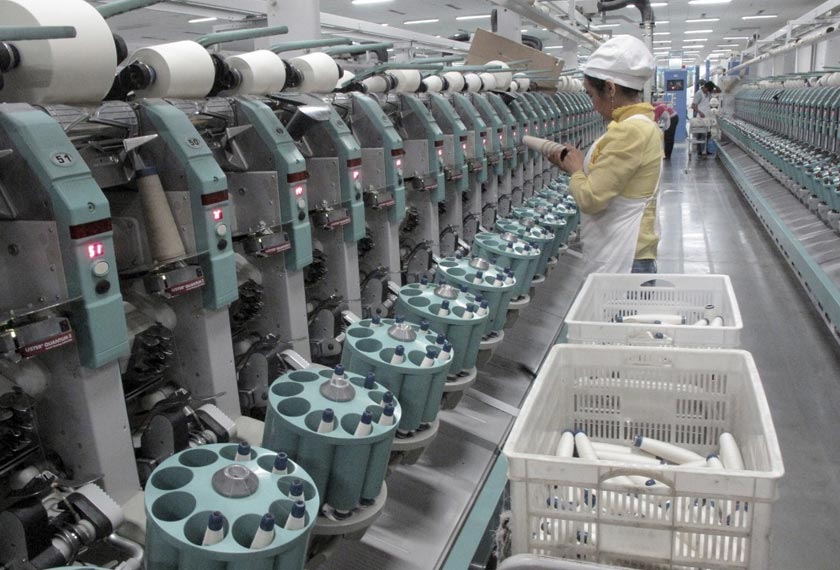
- They are allegedly forcefully employed in textile factories.
- According to BBC, researcher Adrian Zenz, who has trawled through government websites and state media reports found that systematic forced labour is affecting the whole of Xinjiang’s cotton industry.
- Zenz said previously, evidence for forced labour in Xinjiang pertained only to low-skilled manufacturing, including the production of textiles and apparel. But a new report provides evidence for coercion specifically related to cotton picking.
- In 2018, Washington-based think tank the Centre for Global Policy, referencing online government documents, reports that three majority-Uyghur regions in Xinjiang sent at least 570,000 people to pick cotton as part of a state-run coercive labour transfer scheme.
- Xinjiang, home to over 21 million people, produces a fifth of the world’s cotton supply.
WHAT DID THE CHINESE GOVERNMENT SAY?
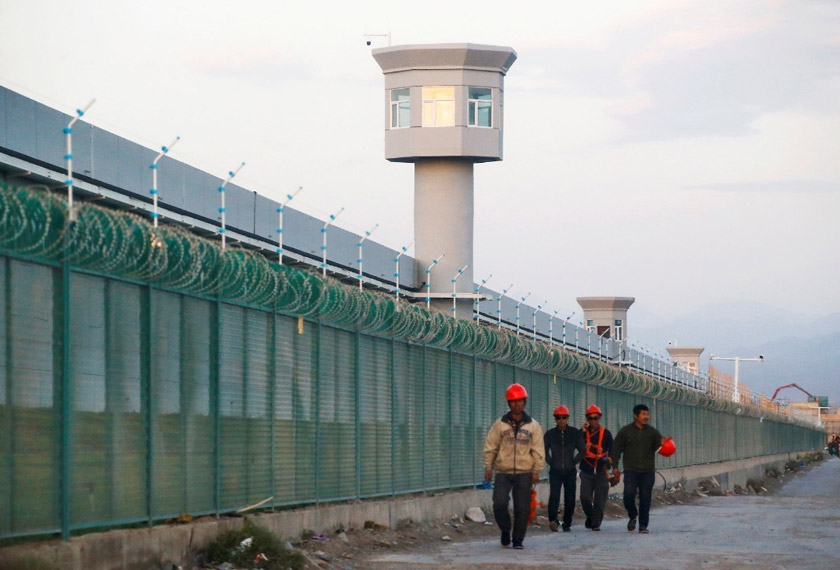
- An estimated three million Uyghurs are reportedly detained in detention centres but the Chinese government claims that the centres are vocational training schools.
- It also claims that the factories are part of poverty alleviation scheme, and that people join in voluntarily.
WHY DOES IT MATTER?
- About 20 percent of the world’s cotton comes from China, and about 85 per cent of that comes from the Uyghur region.
- Dozens of major global brands are accused of complicity by sourcing their supplies of cotton from factories exploiting forced labour.
- Activists claims brands Abercrombie & Fitch, Adidas, Amazon, Calvin Klein, Gap, H&M, Patagonia are connected to forced Uyghur labour.
- According to a campaign group End Uyghur Forced Labour, major organisations claim not to tolerate forced labour but have continued to maintain business in a region where forced labour is rampant.
- On the 2 December 2020, the United States slapped a ban on both cotton and cotton products from the Xinjiang Production and Construction Corps, one of China's largest cotton producers.
ABOUT THE UYGHURS AND XINJIANG
- There are an estimated 11 million Uyghurs in Xinjiang.
- The Uyghurs are Turkic-speaking Muslims from the Central Asian region. They are one of a few persecuted Muslim minorities in Xinjiang, including the Kazakhs, Uzbeks, Hui T, Kyrgyz and Tajiks.
- Most Uyghurs still identify their native country by its earlier name, East Turkestan.
- China claims that the Uyghurs believe in extremist views and they are a threat to national security.
-
Muslim minorities are allegedly being arbitrarily arrested and imprisoned.
- Xinjiang is China’s largest producer of natural gas and is a key part of the Belt and Road Initiative.
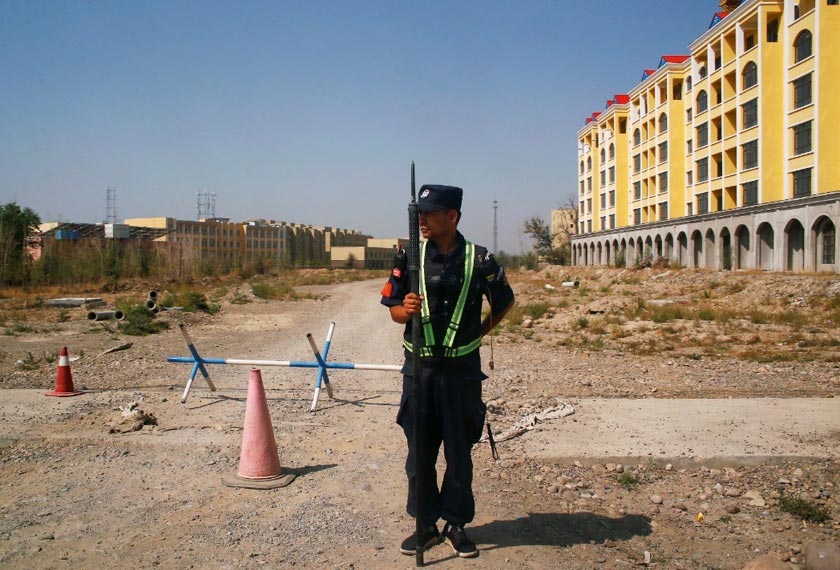
- In recent years, the government has installed advanced surveillance technology across the region, and there has been a surge in police numbers.
- China’s President Xi Jinping has overseen a radical approach towards the Muslim minorities living in Xinjiang, particularly the Uyghurs.