
INTERNATIONAL
‘War is always a tragedy’, Azerbaijan turns pain into a blueprint for coexistence at HCHF forum
Former Vice Minister of Economy of Georgia, Ketevan Bochorishvili (second from left) and Executive Director of the Baku International Multiculturalism Center (BIMC), Ravan Hasanov (second from right) speaking at the session. Pic by Astro AWANI
VENICE: Two voices at the “The Ties That Bind: A Journey Towards Understanding and Human Fraternity” forum offered a practical blueprint for turning ideals into action. Former Vice Minister of Economy of Georgia, Ketevan Bochorishvili, and Executive Director of the Baku International Multiculturalism Center (BIMC), Ravan Hasanov, argued that human fraternity is not a slogan, but a system built through policy, institutions, and everyday choices.
Bochorishvili spoke from experience as a reformer who helped steer Georgia from post-Soviet uncertainty to a model of transparency and economic openness.
“As Vice Minister of Economy of Georgia, where I was more than seven years, I led the team to transform the country from post-Soviet uncertainty into a nation that is recognized for transparency, for fighting against corruption, for making easy business,” she said.
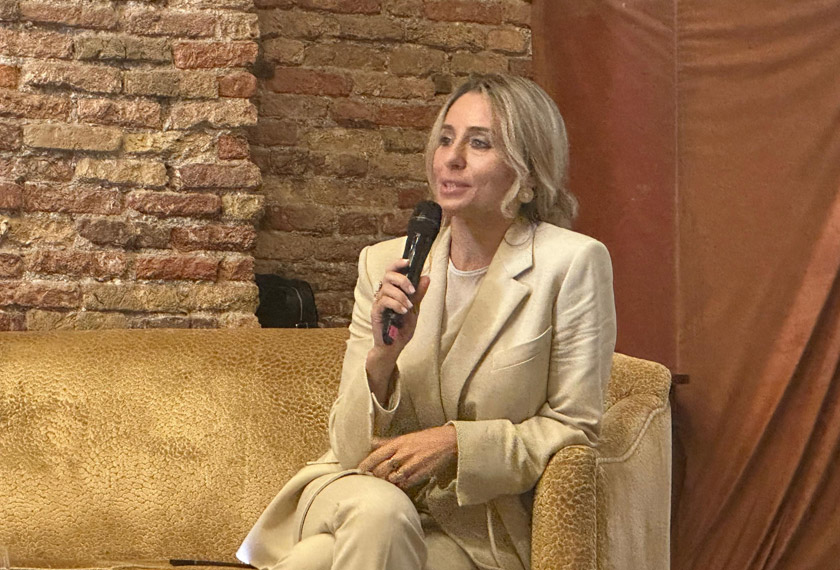
For her, inclusive growth requires predictable governance and trust-based institutions.
“It’s possible, as long as you put the people at first,” she stressed, recalling how Georgia’s police force went from the most distrusted institution to the most trusted.
If Bochorishvili focused on policy as the architecture of inclusion, Hasanov emphasized the cultural infrastructure that sustains it. Leading the BIMC, Hasanov has worked to institutionalize tolerance through education and dialogue.
“In Azerbaijan, multiculturalism is not just a slogan, it’s a state policy. We have designed a special discipline for universities for the youth, which is called multiculturalism, and it has been taught in 27 world universities, and this is mandatory subject,” he explained.
His center also organizes youth forums and international schools to give participants practical experience in coexistence.
“They are getting not only theoretical but also practical knowledge about tolerance, about peace building, about building bridges,” he said.
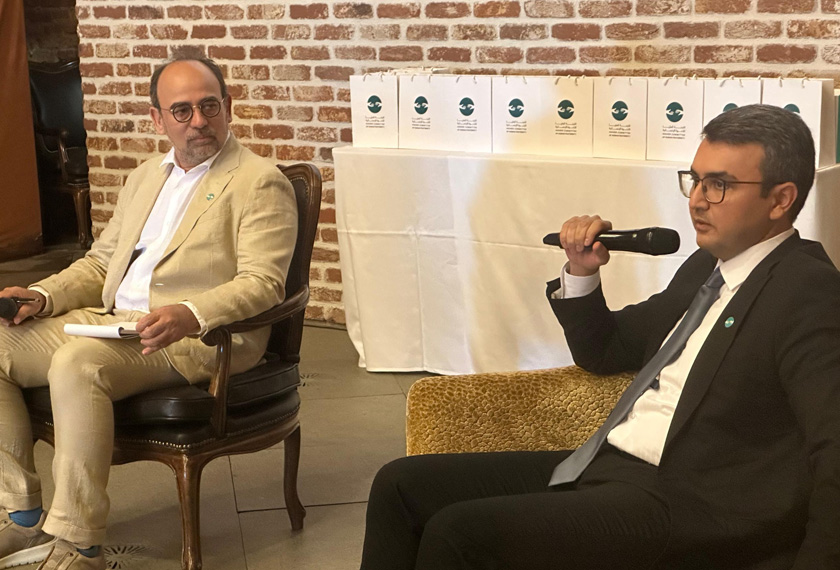
Hasanov’s commitment is deeply personal having to live through decades of conflict in the South Caucasus. That experience drives his belief that peace must be programmed into the next generation.
“I am a child of war. I was a refugee. My house was completely demolished. War is always a tragedy. Losing lives is always tragedy, and the youth needed a better future.
“Changing your world depends on the simple choice of a daily choice. Choose respect over divisions,” he said.
Both speakers converged on a single point. Fraternity is not a speech; it is a system. Policy creates an enabling environment; cultural institutions keep the social contract alive.
“We all want to live peacefully. (In Georgia) within the 50 meters radius, you see synagogue, mosques, Christian church, and we all coexisted together without any issues,” Bochorishvili said.
Hasanov echoed the sentiment by emphasizing that a generation taught about hate will hurt the younger generations to come, but teaching respect will, in contrast, help to create a better society.
The forum was organized by the Higher Committee of Human Fraternity (HCHF) in collaboration with the Better World Fund.
It forms part of a global mission to advance the Abu Dhabi Document of Human Fraternity, signed in 2019 by Pope Francis and the Grand Imam of Al-Azhar Sheikh Ahmed Al-Tayeb. That landmark document calls for peace, mutual respect, and dialogue among people of all faiths and cultures. A reminder that we are all members of one human family.

Bochorishvili spoke from experience as a reformer who helped steer Georgia from post-Soviet uncertainty to a model of transparency and economic openness.
“As Vice Minister of Economy of Georgia, where I was more than seven years, I led the team to transform the country from post-Soviet uncertainty into a nation that is recognized for transparency, for fighting against corruption, for making easy business,” she said.
For her, inclusive growth requires predictable governance and trust-based institutions.
“It’s possible, as long as you put the people at first,” she stressed, recalling how Georgia’s police force went from the most distrusted institution to the most trusted.
If Bochorishvili focused on policy as the architecture of inclusion, Hasanov emphasized the cultural infrastructure that sustains it. Leading the BIMC, Hasanov has worked to institutionalize tolerance through education and dialogue.
“In Azerbaijan, multiculturalism is not just a slogan, it’s a state policy. We have designed a special discipline for universities for the youth, which is called multiculturalism, and it has been taught in 27 world universities, and this is mandatory subject,” he explained.
His center also organizes youth forums and international schools to give participants practical experience in coexistence.
“They are getting not only theoretical but also practical knowledge about tolerance, about peace building, about building bridges,” he said.
Hasanov’s commitment is deeply personal having to live through decades of conflict in the South Caucasus. That experience drives his belief that peace must be programmed into the next generation.
“I am a child of war. I was a refugee. My house was completely demolished. War is always a tragedy. Losing lives is always tragedy, and the youth needed a better future.
“Changing your world depends on the simple choice of a daily choice. Choose respect over divisions,” he said.
Both speakers converged on a single point. Fraternity is not a speech; it is a system. Policy creates an enabling environment; cultural institutions keep the social contract alive.
“We all want to live peacefully. (In Georgia) within the 50 meters radius, you see synagogue, mosques, Christian church, and we all coexisted together without any issues,” Bochorishvili said.
Hasanov echoed the sentiment by emphasizing that a generation taught about hate will hurt the younger generations to come, but teaching respect will, in contrast, help to create a better society.
The forum was organized by the Higher Committee of Human Fraternity (HCHF) in collaboration with the Better World Fund.
It forms part of a global mission to advance the Abu Dhabi Document of Human Fraternity, signed in 2019 by Pope Francis and the Grand Imam of Al-Azhar Sheikh Ahmed Al-Tayeb. That landmark document calls for peace, mutual respect, and dialogue among people of all faiths and cultures. A reminder that we are all members of one human family.
#HCHF
#HumanFraternity
#HigherCommitteeOfHumanFraternity
#coexistence
#VeniceInternationalFilmFestival