
AUGUST 2025 marks a pivotal moment in global recalibration. The U.S.–China rivalry has long transcended tariffs, tech bans, and military posturing. It has mutated into a contagion of economic dislocation, institutional distrust, and social unrest.
AI Brief
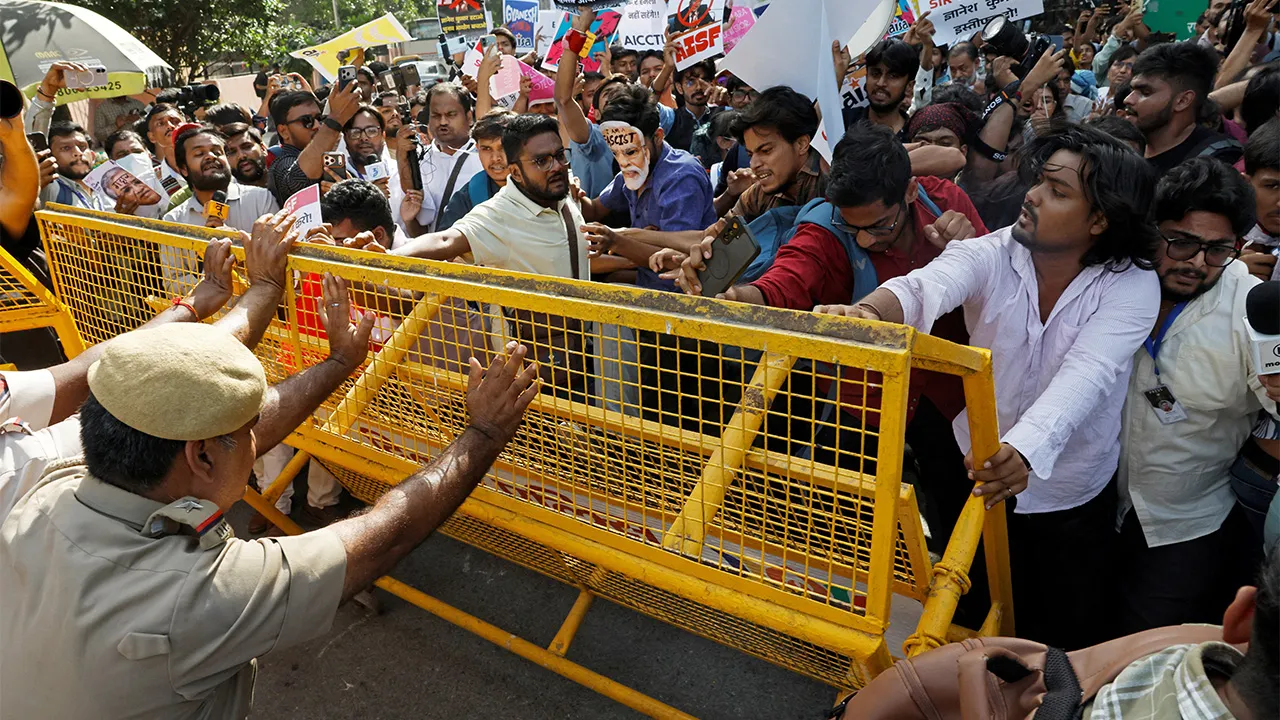
Across Southeast Asia, the pressure is unmistakable. From riots in Jakarta to the unravelling in Myanmar, from Thai–Cambodian border clashes to political fractures in the Philippines, the region is facing a stress test of resilience. What once appeared as isolated disruptions now point to a systemic unravelling—a geopolitical earthquake radiating from superpower deadlock.
And yet, in stark contrast, Malaysia lit up the skies.
On the night of August 30, Malaysians gathered at KLCC, in city squares and parks nationwide, watching fireworks for the nation’s 68th Merdeka Day. Families camped overnight in Putrajaya for the dawn parade. Millions tuned in to cheer for our badminton players at the World Championships in Paris, rooting against the formidable Chinese doubles teams.
These moments—joyous, proud, and unified—were more than festive scenes. They reflected a national identity that transcends race, religion, or class. In an age of division, Malaysia still stood as one blood, one flag, one Rakyat.
But beneath the fireworks lies a delicate balance.
I. The Economic Strain: Policy Fatigue vs. Confidence
Malaysia’s business community is quietly anxious. Rising operating costs, volatile utilities, and inconsistent government levies are eroding confidence.
Chief among concerns is taxation. While paying taxes is a duty, enforcement that feels aggressive or unpredictable risks alienating honest entrepreneurs. This is not tax evasion; it is policy fatigue.
To its credit, the government has taken bold steps: cabinet salary cuts, the Johor–Singapore economic zone, minimum wage reform, and targeted tourism–education recovery. These are serious attempts to protect resilience. But sustaining trust requires policy discipline and execution that does not overburden those who create jobs and innovation.
Tax enforcement must avoid the perception of punitive overreach.
When legitimate businesses feel unduly targeted, it breeds resentment rather than compliance. Confidence in fiscal governance grows not only through collection, but through fairness, clarity, and empathy in execution.
II. The Political Spark: Race as a Dangerous Weapon
Far more perilous than tax pressure is the weaponisation of race.
Indonesia has already shown how combustible economic discontent can become. A series of unpopular measures—government spending cuts, mounting local government debt, subsidy reductions, soaring prices, and a youth unemployment crisis - had already weighed heavily on ordinary Indonesians.
When parliament approved allowances for 580 MPs, it became the spark that ignited mass anger. Riots spread rapidly: government buildings and police vehicles were torched, while the brutal crackdown, including harrowing images of police’s vehicle crushing civilians such as a young man named Afan, only deepened public fury.
What began as economic grievance escalated into racialised unrest, pushing Indonesia into a spiral that continues to reverberate.
Malaysia must not tread this path. If even one match is lit in the name of tribal politics—or if economic burdens are perceived as unfairly imposed while leaders enjoy privileges—the fire will consume our national trust.
Elected officials must never forget: their mandate comes from the people. When political behaviour appears detached from public sentiment, the result can be catastrophic. One only needs to recall how Indonesian MPs—many living in lavish residences—had their private homes ransacked, forcing them to publicly plead for forgiveness on social media. It was not just a breakdown of trust. It was a warning.
In Malaysia, whether in government or opposition, all leaders must remember that they are entrusted—not empowered—by the rakyat to manage the nation’s finances and affairs for five years. They are not elected to rule over the people, but to serve them.
III. The Double-Edged Sword of Openness
Visa-free policies and active FDI outreach—especially toward China—have boosted tourism, real estate, and investment. But with opportunity comes risk.
The flood of foreign capital could trigger neijuan (involution), intensifying hyper-competition that squeezes SMEs and builds resentment.
Openness must be matched with order. Welcoming investors is vital, but without enforcement rooted in fairness and reciprocity, sectors we seek to revive could collapse under unmanaged competition.
At the same time, Malaysia must remain vigilant. Periods of unrest across ASEAN are fertile ground for foreign powers to exploit discontent, amplify divisions, and advance their own agendas. ASEAN must stand together to ensure external actors do not inflame regional instability.
IV. What Merdeka Night Really Meant
On the same night Malaysia celebrated with fireworks, fires burned in Indonesia’s streets.
The contrast is symbolic—and instructive. Unity is fragile if it is not paired with discipline. National parades and badminton victories inspire pride, but Merdeka’s true meaning lies in the policies that preserve stability when the region burns.
A Mirror, Not a Warning
This is not criticism—it is caution. The world is no longer bound by illusions of stability. And Malaysia, at the heart of ASEAN, has more to lose than most.
The smiles of August 30 were real. But if we neglect business confidence, allow irresponsible voices to exploit race, or mistake symbolic unity for structural resilience, those smiles may one day mask exhaustion.
The true celebration of Merdeka is not in fireworks.
It is in holding the line when the region burns.
CW Sim is Chief Strategic Advisor on Greater China, Strategic Pan Indo-Pacific Asia (SPIPA)
** The views and opinions expressed in this article are those of the author(s) and do not necessarily reflect the position of Astro AWANI.
Your gateway to global news, insights, and stories that matter.

AI Brief
- While Southeast Asia faces turmoil, Malaysia's Merdeka celebrations reflect national pride and cohesion.
- Rising costs, tax pressure, and racial politics threaten Malaysia's stability if not carefully managed.
- Foreign investment boosts growth but must be balanced with fair policies to protect local businesses and unity.
Across Southeast Asia, the pressure is unmistakable. From riots in Jakarta to the unravelling in Myanmar, from Thai–Cambodian border clashes to political fractures in the Philippines, the region is facing a stress test of resilience. What once appeared as isolated disruptions now point to a systemic unravelling—a geopolitical earthquake radiating from superpower deadlock.
And yet, in stark contrast, Malaysia lit up the skies.
On the night of August 30, Malaysians gathered at KLCC, in city squares and parks nationwide, watching fireworks for the nation’s 68th Merdeka Day. Families camped overnight in Putrajaya for the dawn parade. Millions tuned in to cheer for our badminton players at the World Championships in Paris, rooting against the formidable Chinese doubles teams.
These moments—joyous, proud, and unified—were more than festive scenes. They reflected a national identity that transcends race, religion, or class. In an age of division, Malaysia still stood as one blood, one flag, one Rakyat.
But beneath the fireworks lies a delicate balance.
I. The Economic Strain: Policy Fatigue vs. Confidence
Malaysia’s business community is quietly anxious. Rising operating costs, volatile utilities, and inconsistent government levies are eroding confidence.
Chief among concerns is taxation. While paying taxes is a duty, enforcement that feels aggressive or unpredictable risks alienating honest entrepreneurs. This is not tax evasion; it is policy fatigue.
To its credit, the government has taken bold steps: cabinet salary cuts, the Johor–Singapore economic zone, minimum wage reform, and targeted tourism–education recovery. These are serious attempts to protect resilience. But sustaining trust requires policy discipline and execution that does not overburden those who create jobs and innovation.
Tax enforcement must avoid the perception of punitive overreach.
When legitimate businesses feel unduly targeted, it breeds resentment rather than compliance. Confidence in fiscal governance grows not only through collection, but through fairness, clarity, and empathy in execution.
II. The Political Spark: Race as a Dangerous Weapon
Far more perilous than tax pressure is the weaponisation of race.
Indonesia has already shown how combustible economic discontent can become. A series of unpopular measures—government spending cuts, mounting local government debt, subsidy reductions, soaring prices, and a youth unemployment crisis - had already weighed heavily on ordinary Indonesians.
When parliament approved allowances for 580 MPs, it became the spark that ignited mass anger. Riots spread rapidly: government buildings and police vehicles were torched, while the brutal crackdown, including harrowing images of police’s vehicle crushing civilians such as a young man named Afan, only deepened public fury.
What began as economic grievance escalated into racialised unrest, pushing Indonesia into a spiral that continues to reverberate.
Malaysia must not tread this path. If even one match is lit in the name of tribal politics—or if economic burdens are perceived as unfairly imposed while leaders enjoy privileges—the fire will consume our national trust.
Elected officials must never forget: their mandate comes from the people. When political behaviour appears detached from public sentiment, the result can be catastrophic. One only needs to recall how Indonesian MPs—many living in lavish residences—had their private homes ransacked, forcing them to publicly plead for forgiveness on social media. It was not just a breakdown of trust. It was a warning.
In Malaysia, whether in government or opposition, all leaders must remember that they are entrusted—not empowered—by the rakyat to manage the nation’s finances and affairs for five years. They are not elected to rule over the people, but to serve them.
III. The Double-Edged Sword of Openness
Visa-free policies and active FDI outreach—especially toward China—have boosted tourism, real estate, and investment. But with opportunity comes risk.
The flood of foreign capital could trigger neijuan (involution), intensifying hyper-competition that squeezes SMEs and builds resentment.
Openness must be matched with order. Welcoming investors is vital, but without enforcement rooted in fairness and reciprocity, sectors we seek to revive could collapse under unmanaged competition.
At the same time, Malaysia must remain vigilant. Periods of unrest across ASEAN are fertile ground for foreign powers to exploit discontent, amplify divisions, and advance their own agendas. ASEAN must stand together to ensure external actors do not inflame regional instability.
IV. What Merdeka Night Really Meant
On the same night Malaysia celebrated with fireworks, fires burned in Indonesia’s streets.
The contrast is symbolic—and instructive. Unity is fragile if it is not paired with discipline. National parades and badminton victories inspire pride, but Merdeka’s true meaning lies in the policies that preserve stability when the region burns.
A Mirror, Not a Warning
This is not criticism—it is caution. The world is no longer bound by illusions of stability. And Malaysia, at the heart of ASEAN, has more to lose than most.
The smiles of August 30 were real. But if we neglect business confidence, allow irresponsible voices to exploit race, or mistake symbolic unity for structural resilience, those smiles may one day mask exhaustion.
The true celebration of Merdeka is not in fireworks.
It is in holding the line when the region burns.
CW Sim is Chief Strategic Advisor on Greater China, Strategic Pan Indo-Pacific Asia (SPIPA)
** The views and opinions expressed in this article are those of the author(s) and do not necessarily reflect the position of Astro AWANI.