
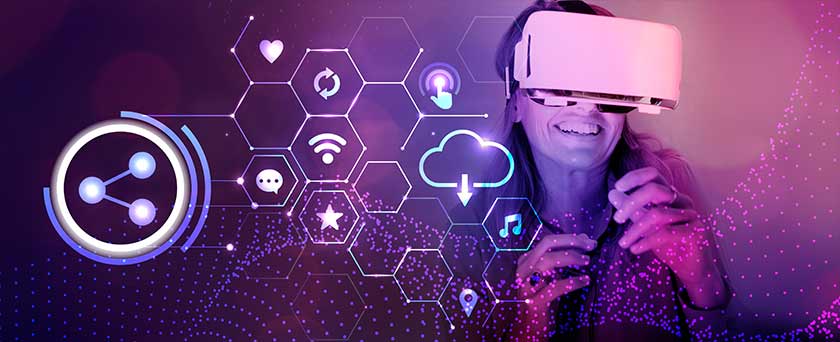
ARTIFICIAL Intelligence (AI) is no longer a futuristic concept confined to science fiction – it is already here, transforming the way we live and work.
AI Brief
From virtual assistants that manage our schedules to algorithms that recommend what we read and watch, AI has permeated daily life.
Inevitably, it is making its way into education too. In Malaysian schools, students have begun experimenting with AI tools, even using chatbots to help with homework.
This raises a pressing question: Are our classrooms truly prepared for the AI era?
The AI era demands a fundamental shift in what and how we teach. In a world where information is instantly accessible and machines can handle routine tasks, the role of education must evolve.
Classrooms need to focus on cultivating critical thinking, creativity, and adaptability – skills that machines cannot easily replicate.

AI can be a powerful ally in this transformation: intelligent tutoring systems can personalize learning, and data-driven insights can help teachers identify students’ strengths and weaknesses.
However, to harness these benefits, educators must be ready to integrate AI meaningfully into their teaching practices and curricula.
Recognizing these challenges and opportunities, education policymakers have introduced reforms aimed at modernizing our curriculum.
Malaysia’s Ministry of Education has promoted "Pembelajaran Abad Ke-21" (21st Century Learning) initiatives that encourage technology use, collaboration, and problem-solving in classrooms.
Traditional high-stakes exams like the UPSR (Primary School Achievement Test) and PT3 (Form Three Assessment) were abolished in favor of school-based assessments – a move intended to reduce rote learning and put emphasis on holistic, continuous evaluation.
Teachers have been urged to adopt "fun learning" approaches and incorporate digital tools, preparing students for a rapidly changing, AI-infused world.
Yet, despite these ambitious plans, the transition on the ground has been far from smooth. Many teachers find themselves underprepared and overburdened.
While training sessions and seminars on new pedagogies are offered, not all educators feel confident in applying them – especially when it comes to integrating advanced technology like AI.
In resource-strapped schools, simply securing enough computers or a stable internet connection can be a challenge, let alone implementing AI-based software.
Moreover, old habits die hard; a mindset shaped by decades of exam-oriented teaching does not change overnight.
Without adequate support, there is a tendency to cling to familiar methods, even as the world outside the classroom leaps forward.
For instance, despite the adoption of Pentaksiran Bilik Darjah (PBD), or classroom-based assessment, the focus in many schools swung straight back to exams with the introduction of the Ujian Akhir Sesi Akademik (UASA).
Some schools, worried that students would not study in the absence of traditional tests, indirectly reverted to exam-centric practices.
Teaching methods in these classrooms slipped into the familiar “latih-tubi” (drilling) routine.
Meanwhile, the much-touted “fun learning” and student-centred strategies – such as game-based activities – remained rare, largely because many teachers did not fully understand how to implement them.
This scenario underscores how even well-intentioned policies can be lost in translation on the ground, leaving a troubling gap between educational policy ideals and the enacted curriculum.
This gap between policy and practice has serious implications for our readiness in the AI era.
If our classrooms continue to prioritize memorization and exam techniques over innovation and inquiry, we risk churning out students who excel at test-taking but struggle with real-world problem-solving.
In an age of AI, factual recall is less important than the ability to analyze, create, and adapt – areas where human intelligence can shine.
It’s crucial that educators receive the support and training they need to bring the intended curriculum to life.
Schools must cultivate an environment where curiosity is rewarded and failure is seen as a stepping stone in the learning process, not just a lost mark on an exam.
So, are our classrooms ready for the AI era? Not yet – but they can be. The promise of AI in education is immense, from easing administrative burdens to providing personalized learning pathways.
Yet, technology alone is not a silver bullet. True readiness means aligning our teaching practices with the demands of a new age, bridging the gap between what policy preaches and what happens in the classroom.
It means empowering teachers, involving parents, and keeping students’ needs at the heart of innovation.
As we stand on the cusp of this AI-driven transformation, we must ensure that our education system evolves accordingly.
Only then will we be able to confidently say that our classrooms are indeed ready for the AI era.
Dr Satirah Hj Ahmad is Pensyarah Cemerlang Gred Khas C at IPGM Kampus Sultan Abdul Halim.
The views and opinions expressed in this article are those of the author(s) and do not necessarily reflect the position of Astro AWANI.
AI Brief
- AI is entering Malaysian classrooms, requiring a shift from rote learning to critical thinking, creativity, and adaptability.
- Education reforms like 21st Century Learning and school-based assessments face challenges due to limited resources, lack of training, and persistent exam-focused mindsets.
- True readiness for the AI era depends on empowering teachers, aligning practices with modern needs, and fostering curiosity and resilience in students.
From virtual assistants that manage our schedules to algorithms that recommend what we read and watch, AI has permeated daily life.
Inevitably, it is making its way into education too. In Malaysian schools, students have begun experimenting with AI tools, even using chatbots to help with homework.
This raises a pressing question: Are our classrooms truly prepared for the AI era?
The AI era demands a fundamental shift in what and how we teach. In a world where information is instantly accessible and machines can handle routine tasks, the role of education must evolve.
Classrooms need to focus on cultivating critical thinking, creativity, and adaptability – skills that machines cannot easily replicate.
AI can be a powerful ally in this transformation: intelligent tutoring systems can personalize learning, and data-driven insights can help teachers identify students’ strengths and weaknesses.
However, to harness these benefits, educators must be ready to integrate AI meaningfully into their teaching practices and curricula.
Recognizing these challenges and opportunities, education policymakers have introduced reforms aimed at modernizing our curriculum.
Malaysia’s Ministry of Education has promoted "Pembelajaran Abad Ke-21" (21st Century Learning) initiatives that encourage technology use, collaboration, and problem-solving in classrooms.
Traditional high-stakes exams like the UPSR (Primary School Achievement Test) and PT3 (Form Three Assessment) were abolished in favor of school-based assessments – a move intended to reduce rote learning and put emphasis on holistic, continuous evaluation.
Teachers have been urged to adopt "fun learning" approaches and incorporate digital tools, preparing students for a rapidly changing, AI-infused world.
Yet, despite these ambitious plans, the transition on the ground has been far from smooth. Many teachers find themselves underprepared and overburdened.
While training sessions and seminars on new pedagogies are offered, not all educators feel confident in applying them – especially when it comes to integrating advanced technology like AI.
In resource-strapped schools, simply securing enough computers or a stable internet connection can be a challenge, let alone implementing AI-based software.
Moreover, old habits die hard; a mindset shaped by decades of exam-oriented teaching does not change overnight.
Without adequate support, there is a tendency to cling to familiar methods, even as the world outside the classroom leaps forward.
For instance, despite the adoption of Pentaksiran Bilik Darjah (PBD), or classroom-based assessment, the focus in many schools swung straight back to exams with the introduction of the Ujian Akhir Sesi Akademik (UASA).
Some schools, worried that students would not study in the absence of traditional tests, indirectly reverted to exam-centric practices.
Teaching methods in these classrooms slipped into the familiar “latih-tubi” (drilling) routine.
Meanwhile, the much-touted “fun learning” and student-centred strategies – such as game-based activities – remained rare, largely because many teachers did not fully understand how to implement them.
This scenario underscores how even well-intentioned policies can be lost in translation on the ground, leaving a troubling gap between educational policy ideals and the enacted curriculum.
This gap between policy and practice has serious implications for our readiness in the AI era.
If our classrooms continue to prioritize memorization and exam techniques over innovation and inquiry, we risk churning out students who excel at test-taking but struggle with real-world problem-solving.
In an age of AI, factual recall is less important than the ability to analyze, create, and adapt – areas where human intelligence can shine.
It’s crucial that educators receive the support and training they need to bring the intended curriculum to life.
Schools must cultivate an environment where curiosity is rewarded and failure is seen as a stepping stone in the learning process, not just a lost mark on an exam.
So, are our classrooms ready for the AI era? Not yet – but they can be. The promise of AI in education is immense, from easing administrative burdens to providing personalized learning pathways.
Yet, technology alone is not a silver bullet. True readiness means aligning our teaching practices with the demands of a new age, bridging the gap between what policy preaches and what happens in the classroom.
It means empowering teachers, involving parents, and keeping students’ needs at the heart of innovation.
As we stand on the cusp of this AI-driven transformation, we must ensure that our education system evolves accordingly.
Only then will we be able to confidently say that our classrooms are indeed ready for the AI era.
Dr Satirah Hj Ahmad is Pensyarah Cemerlang Gred Khas C at IPGM Kampus Sultan Abdul Halim.
The views and opinions expressed in this article are those of the author(s) and do not necessarily reflect the position of Astro AWANI.