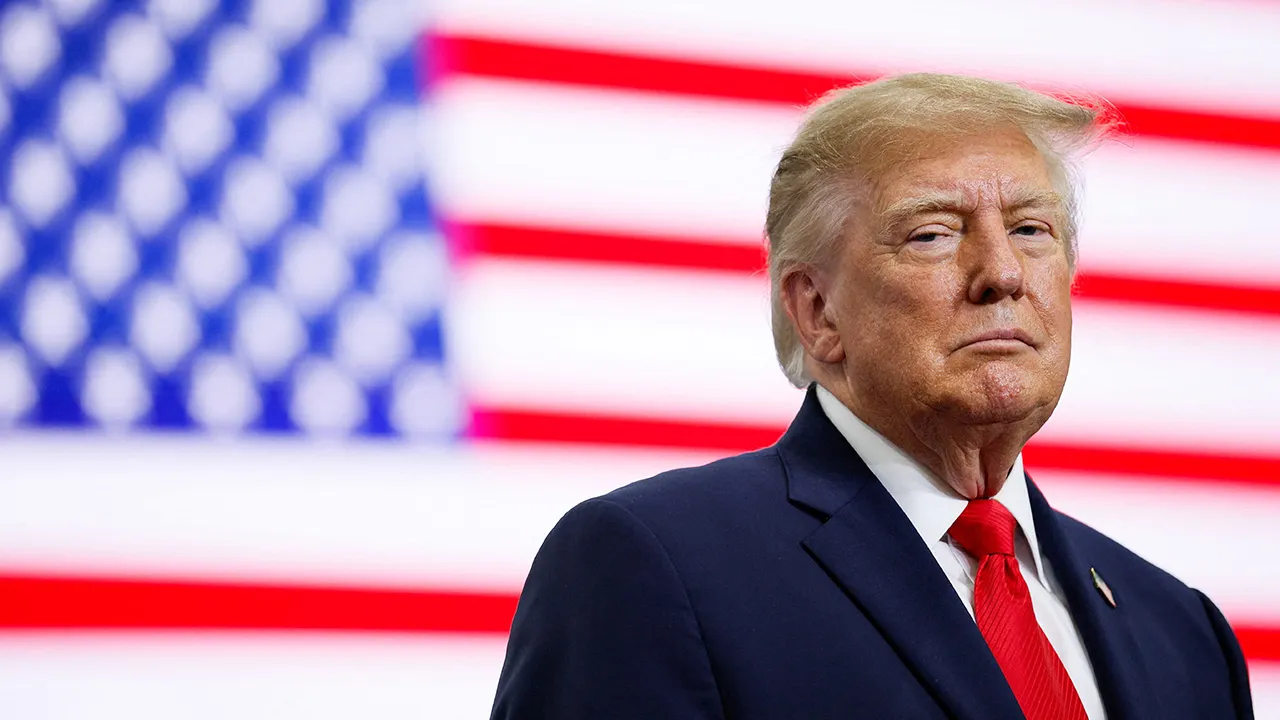

On 3 April 2025, as per Mr. Trump’s announcement, Malaysia has been hit with 24% US Reciprocal tariffs,
effective 9 April 2025. Industry players in Malaysia and beyond are understandably worried about the
potential negative impacts on bilateral trade and supply chain shocks, which could drive up costs for
businesses and spill over to consumers. What has been our response so far? A retaliatory tariff has already
been ruled out by Malaysia’s Ministry of Investment, Trade and Industry (MITI). MITI, alongside other
government agencies and our diplomatic network, has been said to be actively engaging in continuous
communication with U.S. representatives both locally in Malaysia and key stakeholders in Washington,
D.C., to explore "pragmatic solutions moving forward."
Globally, there has been a sense of uncertainty and question marks around the rationality of the calculation
framework underlying these reciprocal tariffs proposed by the Trump 2.0 administration. Industry analysts
generally agree that the tariffs are determined using a formula: divide a country's trade surplus with the US
(based on 2024 US Census Bureau data) by its total exports, then divide that figure by two to produce a
discounted rate. There are certain ‘hardcoded’ exceptions, resulting in a baseline 10% tariff for a handful
of countries.
However, I believe this move might not be just a ‘protectionist economic policy’ but rather a calculated
‘negotiation tactic,’ as it might instead be a strategic, albeit somewhat unconventional, way to ‘test’ trading
partners’ reaction, assess their dependence on the market and position the U.S. for more favorable trade
deals. Overall, this approach mirrors an “aggressive business negotiation strategy”, where initial pressure
is applied to “extract better terms later” - think hardball negotiation. From another perspective, this
approach also appears to be the U.S. method of “global trade evaluation”, as they prepare to establish new
supply chains and maps while preemptively signaling which stakeholders the Trump 2.0 administration
considers “valuable”, “potentially useful”, or “expendable”. In simpler words – defining who to “keep”, “be-friend” and “discard”.
Given how volatile and unexpected his approaches tend to be, we must consider broader contingency plans.
In current context – this implies giving sufficient attention to those exports that have been said to be
“excluded from the tariff conversation” as of now, namely semiconductors, which now constitute a
relatively significant portion of our medium- to high-value exports. What’s in store for those items? I hope
the Malaysian administration will consider crafting a contingency response plan to safeguard our domestic
industry’s interests while enabling the preservation of strong bilateral trade. This response plan, which
should be ‘diplomatic and mutually beneficial,’ would help soften shocks that may arise from a ‘surprise’
sanction that could catch us off-guard. Nevertheless, I remain hopeful that our historically strong ties and
continued dialogue will sustain our mutually beneficial and valuable bilateral trade.
_______________________________________________________________________________________
Edwin Oh Chun Kit is a socioeconomic analyst and commentator with publications in local and regional news outlets.
Views expressed here are of his own and do not reflect the opinions or positions of any
organization he is affiliated with.
Read the latest news here

effective 9 April 2025. Industry players in Malaysia and beyond are understandably worried about the
potential negative impacts on bilateral trade and supply chain shocks, which could drive up costs for
businesses and spill over to consumers. What has been our response so far? A retaliatory tariff has already
been ruled out by Malaysia’s Ministry of Investment, Trade and Industry (MITI). MITI, alongside other
government agencies and our diplomatic network, has been said to be actively engaging in continuous
communication with U.S. representatives both locally in Malaysia and key stakeholders in Washington,
D.C., to explore "pragmatic solutions moving forward."
Globally, there has been a sense of uncertainty and question marks around the rationality of the calculation
framework underlying these reciprocal tariffs proposed by the Trump 2.0 administration. Industry analysts
generally agree that the tariffs are determined using a formula: divide a country's trade surplus with the US
(based on 2024 US Census Bureau data) by its total exports, then divide that figure by two to produce a
discounted rate. There are certain ‘hardcoded’ exceptions, resulting in a baseline 10% tariff for a handful
of countries.
However, I believe this move might not be just a ‘protectionist economic policy’ but rather a calculated
‘negotiation tactic,’ as it might instead be a strategic, albeit somewhat unconventional, way to ‘test’ trading
partners’ reaction, assess their dependence on the market and position the U.S. for more favorable trade
deals. Overall, this approach mirrors an “aggressive business negotiation strategy”, where initial pressure
is applied to “extract better terms later” - think hardball negotiation. From another perspective, this
approach also appears to be the U.S. method of “global trade evaluation”, as they prepare to establish new
supply chains and maps while preemptively signaling which stakeholders the Trump 2.0 administration
considers “valuable”, “potentially useful”, or “expendable”. In simpler words – defining who to “keep”, “be-friend” and “discard”.
Given how volatile and unexpected his approaches tend to be, we must consider broader contingency plans.
In current context – this implies giving sufficient attention to those exports that have been said to be
“excluded from the tariff conversation” as of now, namely semiconductors, which now constitute a
relatively significant portion of our medium- to high-value exports. What’s in store for those items? I hope
the Malaysian administration will consider crafting a contingency response plan to safeguard our domestic
industry’s interests while enabling the preservation of strong bilateral trade. This response plan, which
should be ‘diplomatic and mutually beneficial,’ would help soften shocks that may arise from a ‘surprise’
sanction that could catch us off-guard. Nevertheless, I remain hopeful that our historically strong ties and
continued dialogue will sustain our mutually beneficial and valuable bilateral trade.
_______________________________________________________________________________________
Edwin Oh Chun Kit is a socioeconomic analyst and commentator with publications in local and regional news outlets.
Views expressed here are of his own and do not reflect the opinions or positions of any
organization he is affiliated with.