
NATIONAL
Powering Southeast Asia’s Clean Energy Future through Partnerships: Insights from SAREF 4.0
Experts at SAREF 4.0 share insights on advancing renewable energy and regional cooperation. - Sarawak Energy
KUCHING: The conversation on Southeast Asia’s clean energy transition took centre stage at the Sustainability and Renewable Energy Forum (SAREF) 4.0, held at the Borneo Convention Centre Kuching.
With the theme “Partnerships for Our Goals – Sustainable Growth & Prosperity for the Region,” the forum brought together policymakers, industry leaders, and experts to explore how regional collaboration can accelerate the shift towards renewable energy.
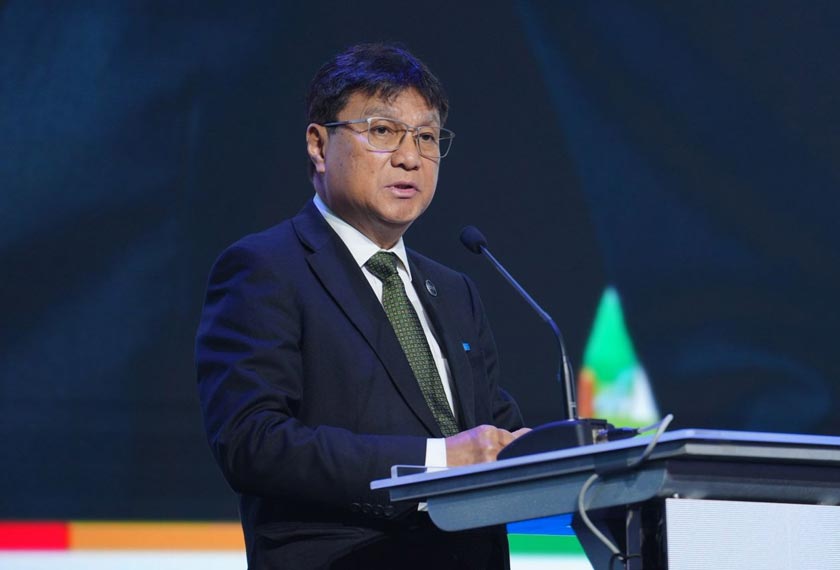
Speaking to Astro AWANI, Datuk Sharbini Suhaili, Group Chief Executive Officer of Sarawak Energy and Organising Chairman of SAREF 4.0, underscored the role of partnerships in driving tangible outcomes beyond dialogue.
“Partnership is key to accelerating energy transition, not only in Malaysia but around the world.
“SAREF brings together leaders and experts to develop practical solutions, advance renewable projects, and share resources across the region,” he said.
Datuk Sharbini highlighted Sarawak’s strong foundation in renewable energy, rooted in decades of investment in hydropower.
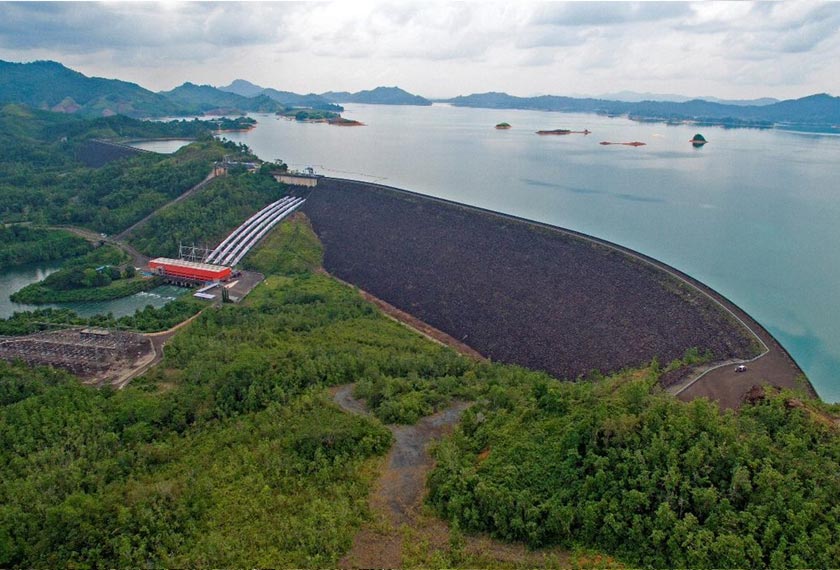
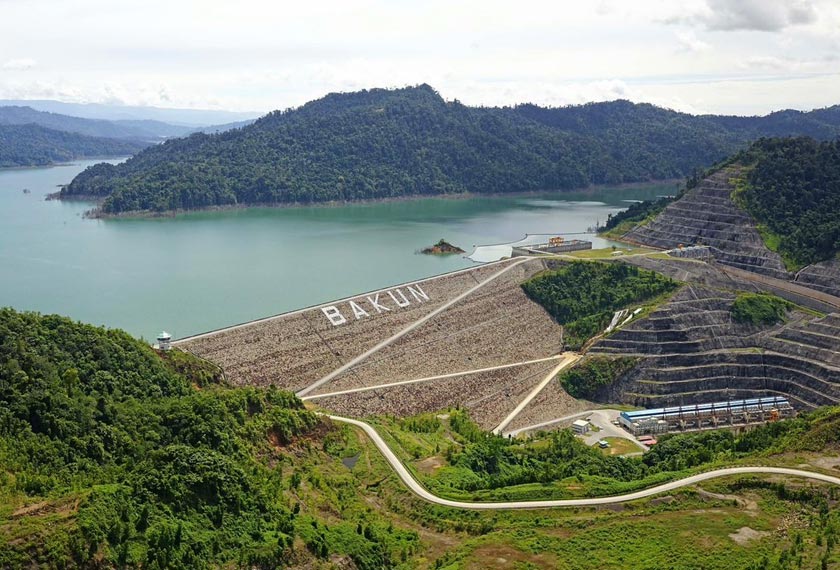
The commissioning of Batang Ai hydropower plant in 1985 marked a strategic shift away from hydrocarbons, later expanded with the development of Bakun, Murum, and Baleh (1,285MW by 2030).
“The carbon intensity of our grid has fallen by 70% since 2010. We achieved the COP20 target of limiting global temperature rise to below 2°C as early as 2014, and now we’re working toward 1.5°C,” he explained.
These milestones, he added, put Sarawak in a strong position to share renewable energy with ASEAN neighbours and strengthen regional energy security.
Looking ahead, Sarawak is playing a pivotal role in regional interconnection through the Borneo Grid and the wider ASEAN Power Grid initiative.
“There will be no transition without transmission. Each ASEAN country must develop its renewable energy resources and share them with neighbours. That’s exactly what Sarawak is doing,” Datuk Sharbini stressed.
Sarawak has already connected to West Kalimantan since 2016, will energize its first line to Sabah by October this year, and is exploring future interconnections with Brunei.
These efforts, he noted, form the framework for an interconnected Borneo Power Grid, a model for ASEAN-wide energy cooperation.

With the theme “Partnerships for Our Goals – Sustainable Growth & Prosperity for the Region,” the forum brought together policymakers, industry leaders, and experts to explore how regional collaboration can accelerate the shift towards renewable energy.
Speaking to Astro AWANI, Datuk Sharbini Suhaili, Group Chief Executive Officer of Sarawak Energy and Organising Chairman of SAREF 4.0, underscored the role of partnerships in driving tangible outcomes beyond dialogue.
“Partnership is key to accelerating energy transition, not only in Malaysia but around the world.
“SAREF brings together leaders and experts to develop practical solutions, advance renewable projects, and share resources across the region,” he said.
Datuk Sharbini highlighted Sarawak’s strong foundation in renewable energy, rooted in decades of investment in hydropower.
The commissioning of Batang Ai hydropower plant in 1985 marked a strategic shift away from hydrocarbons, later expanded with the development of Bakun, Murum, and Baleh (1,285MW by 2030).
“The carbon intensity of our grid has fallen by 70% since 2010. We achieved the COP20 target of limiting global temperature rise to below 2°C as early as 2014, and now we’re working toward 1.5°C,” he explained.
These milestones, he added, put Sarawak in a strong position to share renewable energy with ASEAN neighbours and strengthen regional energy security.
Looking ahead, Sarawak is playing a pivotal role in regional interconnection through the Borneo Grid and the wider ASEAN Power Grid initiative.
“There will be no transition without transmission. Each ASEAN country must develop its renewable energy resources and share them with neighbours. That’s exactly what Sarawak is doing,” Datuk Sharbini stressed.
Sarawak has already connected to West Kalimantan since 2016, will energize its first line to Sabah by October this year, and is exploring future interconnections with Brunei.
These efforts, he noted, form the framework for an interconnected Borneo Power Grid, a model for ASEAN-wide energy cooperation.
#SAREF 4 0
#Sustainability and Renewable Energy Forum
#Borneo Convention Centre Kuching
#Sarawak Energy
#clean energy