
THE more we travel, the more we learn about ourselves. Travelling gives us new ideas to create new opportunities and it gives us confidence to do better in life.
My recent vacation in Ubud, Bali made me realise one thing— if we, Malaysia, want to be considered a serious tourist destination, we have to re-look at our approach in identifying and packaging tourism products.
We must use a different frame of reference to understand the total tourist experience which includes more than just accommodation, natural and cultural attractions, entertainment and transportation. Most of all, our offerings must be of “world class”.
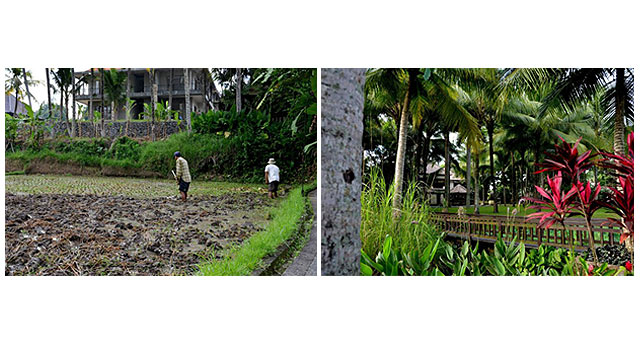
When I was in Ubud, I stayed at a beautiful villa with a private pool. What made it different and memorable was that the villa was situated next to a paddy field. In Malaysia, I would never have checked into a hotel next to a paddy field!
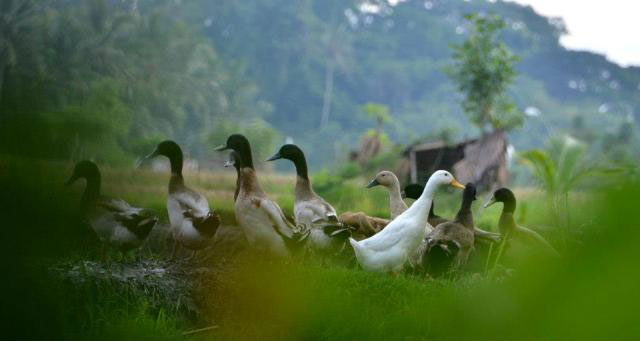
Every morning, on the way to the coffee house for breakfast, I walked on a pavement and a small bridge just three metres away from the farmers tilling the paddy fields. While having Balinese breakfast, I could hear the sound of ducks scavenging along the paddy fields and herons flying nearby looking for insects, worms and small fish.
Wait a minute. I need to go to Ubud to see all these? Don’t we have all these here in Malaysia? Of course we do. But the people in Bali made the experience of having breakfast in a 5-star resort next to a paddy field a beautiful one — that part, we have to learn, “copy” and be better than them.
Tourists from Europe, Australia, the United States and also Asian countries would spend weeks in Bali just to walk near the paddy fields, see the ducks and buffaloes in the morning and learn about the local customs and traditions. The people in Bali see this as a big business opportunity. They come together, share their daily lives with the tourists and provide world class accommodation, transportation and excellent broadband connection. They also learn the art of storytelling and they excel in performing arts to relate to the tourists their lives, their religion and their worldview.
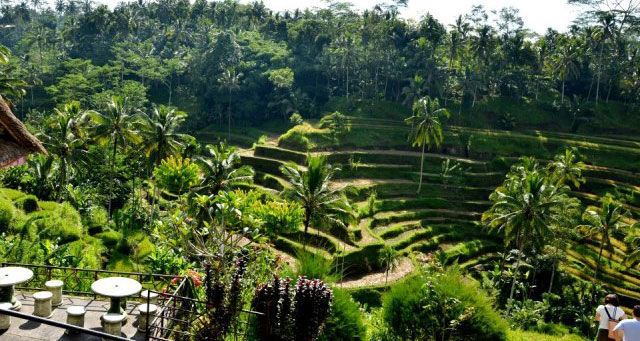
The steep terrains in Ubud are such a beautiful sight and the locals are ever willing to share information with visitors on the intricate system to manage water storage and drainage for rice terraces. And the tourists are also willing to pay the locals to experience the tilling of paddy fields, harvesting and also feeding the ducks.
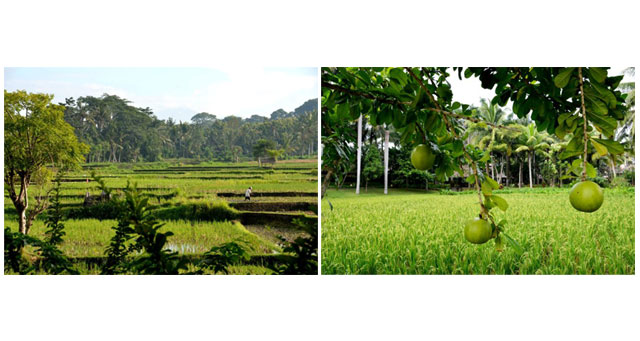
I can already imagine what I will do once I retire — to have a small boutique hotel near a paddy field in my kampong in Ramuan China Kecil, Lubok China, Melaka.
In addition to paddy fields, Ubud is also well known as the centre for arts and craft. Artists, sculptors, painters come together to create a big art market. A lot of creative works are bought by tourists every day. I bought 5 beautiful abstract paintings from a very young enterprising artist.
Now, wait a minute, don’t we have artists, painters and sculptors in this country? We sure have — in fact, many. I was once told by a friend who was a lecturer at UiTM that there are a lot of beautiful sculptures, paintings and jewellery produced by the students for their term projects. And these works of art are of high quality.
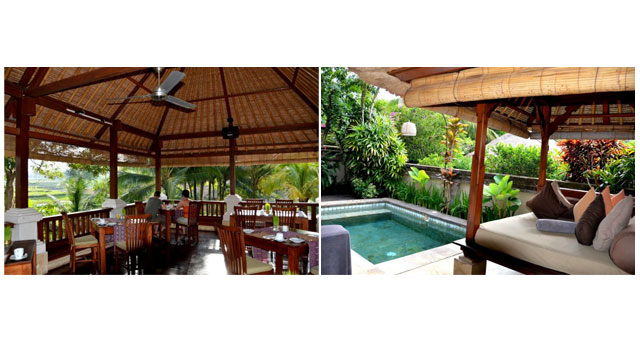
I am now imagining, next to my small boutique hotel near the paddy field will be a big art centre where artworks from students from institutions of higher learning will be sold. Next, the visitors would want to learn about the customs and traditions. They would also want to learn about the local cuisine.
I am now imagining I am teaching the visitors how to prepare Asam Pedas and Masak Lemak Cili Api.
One interesting thing I noticed in Bali, was the locals were so proud of their “Luwak” coffee. Luwak coffee is basically coffee processed from the beans of coffee berries excreted by the Asian Palm civet. Yes, in crude language, drinking the residue from the shit of the civet. The civets are kept in cages, fed with coffee berries. In the digestive tract of the civets, fermentation occurs. The beans are then defecated by the civets and will be collected and processed by the farmers.
The Luwak Coffee is said to be most expensive coffee in the world with retail prices reaching USD700 per kilogramme.
Well, I don’t think I would like to collect animal waste and process them for tourists. Surely we have other products that are equally interesting.
In Ubud, there are many villas built near coffee plantations. Now, what is stopping us from erecting villas near orchards where tourists can help themselves with guavas, rambutans, starfruits and other tropical fruits? It is about creativity and of course, financing.
And one thing for sure, in Bali, they set a very high standard in the hospitality industry — but wait a minute, don’t they teach all these at many of our local universities? Why can’t we be as good as Ubud in Bali?
My recent vacation in Ubud, Bali made me realise one thing— if we, Malaysia, want to be considered a serious tourist destination, we have to re-look at our approach in identifying and packaging tourism products.
We must use a different frame of reference to understand the total tourist experience which includes more than just accommodation, natural and cultural attractions, entertainment and transportation. Most of all, our offerings must be of “world class”.
When I was in Ubud, I stayed at a beautiful villa with a private pool. What made it different and memorable was that the villa was situated next to a paddy field. In Malaysia, I would never have checked into a hotel next to a paddy field!
Every morning, on the way to the coffee house for breakfast, I walked on a pavement and a small bridge just three metres away from the farmers tilling the paddy fields. While having Balinese breakfast, I could hear the sound of ducks scavenging along the paddy fields and herons flying nearby looking for insects, worms and small fish.
Wait a minute. I need to go to Ubud to see all these? Don’t we have all these here in Malaysia? Of course we do. But the people in Bali made the experience of having breakfast in a 5-star resort next to a paddy field a beautiful one — that part, we have to learn, “copy” and be better than them.
Tourists from Europe, Australia, the United States and also Asian countries would spend weeks in Bali just to walk near the paddy fields, see the ducks and buffaloes in the morning and learn about the local customs and traditions. The people in Bali see this as a big business opportunity. They come together, share their daily lives with the tourists and provide world class accommodation, transportation and excellent broadband connection. They also learn the art of storytelling and they excel in performing arts to relate to the tourists their lives, their religion and their worldview.
The steep terrains in Ubud are such a beautiful sight and the locals are ever willing to share information with visitors on the intricate system to manage water storage and drainage for rice terraces. And the tourists are also willing to pay the locals to experience the tilling of paddy fields, harvesting and also feeding the ducks.
I can already imagine what I will do once I retire — to have a small boutique hotel near a paddy field in my kampong in Ramuan China Kecil, Lubok China, Melaka.
In addition to paddy fields, Ubud is also well known as the centre for arts and craft. Artists, sculptors, painters come together to create a big art market. A lot of creative works are bought by tourists every day. I bought 5 beautiful abstract paintings from a very young enterprising artist.
Now, wait a minute, don’t we have artists, painters and sculptors in this country? We sure have — in fact, many. I was once told by a friend who was a lecturer at UiTM that there are a lot of beautiful sculptures, paintings and jewellery produced by the students for their term projects. And these works of art are of high quality.
I am now imagining, next to my small boutique hotel near the paddy field will be a big art centre where artworks from students from institutions of higher learning will be sold. Next, the visitors would want to learn about the customs and traditions. They would also want to learn about the local cuisine.
I am now imagining I am teaching the visitors how to prepare Asam Pedas and Masak Lemak Cili Api.
One interesting thing I noticed in Bali, was the locals were so proud of their “Luwak” coffee. Luwak coffee is basically coffee processed from the beans of coffee berries excreted by the Asian Palm civet. Yes, in crude language, drinking the residue from the shit of the civet. The civets are kept in cages, fed with coffee berries. In the digestive tract of the civets, fermentation occurs. The beans are then defecated by the civets and will be collected and processed by the farmers.
The Luwak Coffee is said to be most expensive coffee in the world with retail prices reaching USD700 per kilogramme.
Well, I don’t think I would like to collect animal waste and process them for tourists. Surely we have other products that are equally interesting.
In Ubud, there are many villas built near coffee plantations. Now, what is stopping us from erecting villas near orchards where tourists can help themselves with guavas, rambutans, starfruits and other tropical fruits? It is about creativity and of course, financing.
And one thing for sure, in Bali, they set a very high standard in the hospitality industry — but wait a minute, don’t they teach all these at many of our local universities? Why can’t we be as good as Ubud in Bali?