AI Brief
- Cuban Foreign Minister Bruno Rodriguez accused the United States of threatening UN member states with sanctions ahead of a UN vote on the US embargo against Cuba.
- Rodriguez alleged US officials pressured countries by threatening punitive tariffs, suspension of cooperation, and political destabilisation if they supported Cuba in the vote.
- The annual non-binding UN resolution condemning the US embargo, in place for over 60 years, is scheduled for a vote on October 27-28.
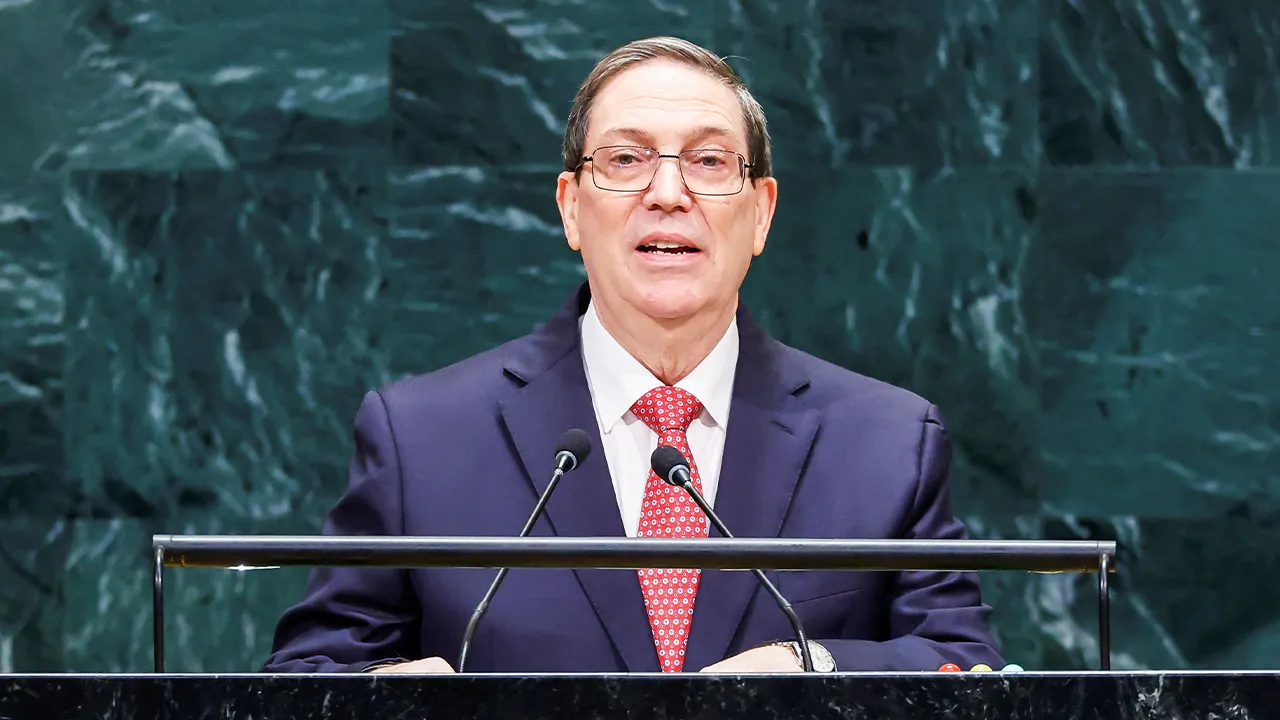
HAVANA: Cuban Foreign Minister Bruno Rodriguez accused the United States on Wednesday of threatening member states of the United Nations with sanctions should they side with Cuba in next week's annual UN vote on a resolution calling for an end to a US embargo on the island.
"The US State Department is exerting unprecedented pressure — at times in a personal and brazen manner by the secretary of state himself — to get UN member states to change their votes," Rodriguez said.
Tensions between the two nations are soaring ahead of the vote on the non-binding resolution, which has passed in favor of Cuba in the UN General Assembly by wide margins every year since 1992.
Rodriguez told reporters at a press conference in Havana that US officials had threatened to deny visas and impose trade and economic sanctions on UN members that side with Cuba at the United Nations.
“These methods of pressure include the threat of imposing punitive tariffs, the suspension of cooperation programs..., support for forces opposed to the governments, the threat of encouraging the overthrow of those governments or interfering in their electoral processes, and the threat of politically destabilizing those countries,” Rodriguez said.
The US State Department did not immediately respond to a request for comment on the allegations.
US Ambassador to the UN Mike Waltz earlier this week called on countries to vote against the resolution supporting Cuba, calling it "an excuse to justify oppression, to justify the misery of the Cuban people."
The UN vote to condemn the US blockade is expected to take place on October 27-28, officials said.
The US has imposed a trade embargo on Cuba for more than 60 years.
The administration of US President Donald Trump, however, has ramped up pressure on Cuba since January, imposing a fuel blockade on the island and stiff sanctions against a swath of Cuban officials and state entities.
The UN vote against the US blockade can carry political weight, but only the US Congress can lift the Cold War-era embargo.