
STOCKHOLM: U.S. Treasury Secretary Scott Bessent on Tuesday said he warned Chinese officials that continued purchases of sanctioned Russian oil would lead to big tariffs due to legislation in Congress, but was told that Beijing would protect its energy sovereignty.
AI Brief
Wrapping up two days of U.S.-China trade talks in Stockholm, Bessent said he also expressed U.S. displeasure at China's continued purchases of sanctioned Iranian oil, and its sales of over $15 billion worth of dual-use technology goods to Russia that have bolstered Moscow's war against Ukraine.
Bessent said legislation in the U.S. Congress authorizing US President Donald Trump to levy tariffs up to 500% on countries that purchase sanctioned Russian oil would draw U.S. allies into taking similar steps to cut off Russia's energy revenues.
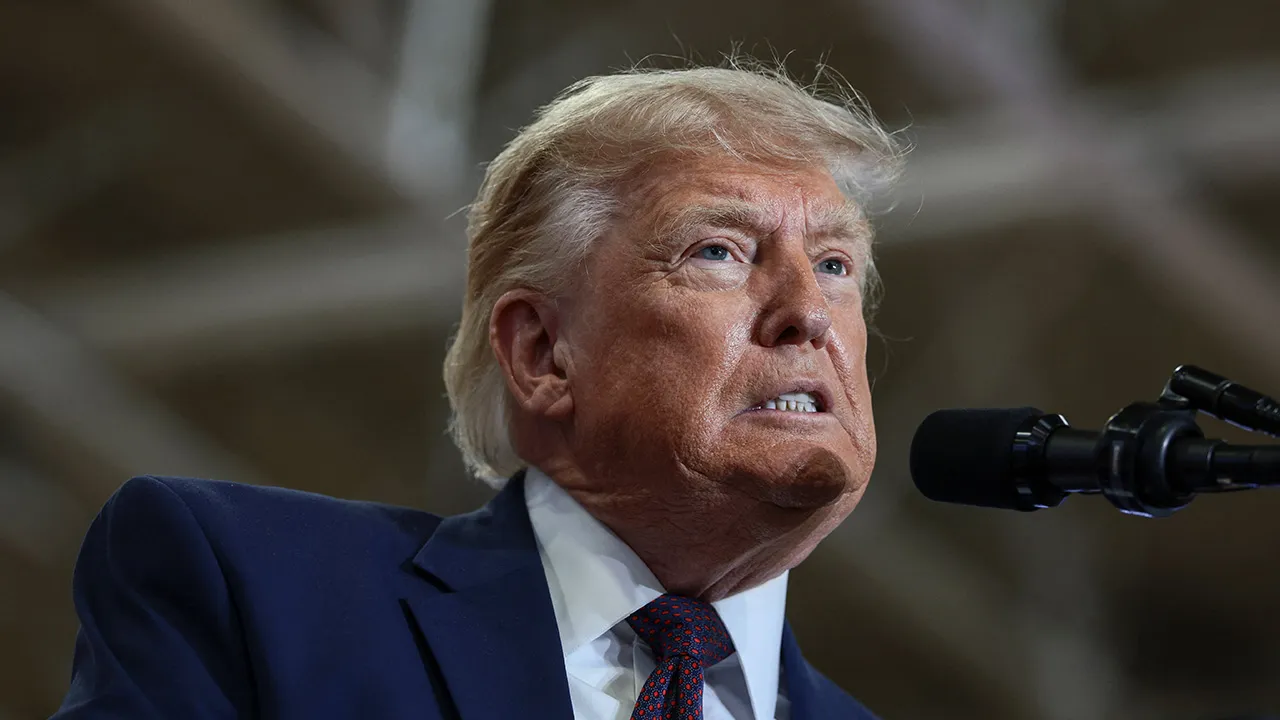
Trump on Monday shortened a deadline for Moscow to make progress toward a Ukraine war peace deal or see its oil customers slapped with secondary tariffs of 100% in 10 to 12 days, reflecting his growing frustration with Russia's actions.
"So I think anyone who buys sanctioned Russian oil should be ready for this," Bessent told a news conference.
Chinese officials responded by saying China was a sovereign nation with energy needs, and oil purchases would be based on the country's internal policies, Bessent said.
"The Chinese take their sovereignty very seriously. We don't want to impede on their sovereignty, so they'd like to pay a 100% tariff," Bessent said.
China remains the largest buyer of Russian oil, at about 2 million barrels per day, followed by India and Turkey.
Bessent said he also has warned his counterpart, Vice Premier He Lifeng, that China's continued sales of goods to Russia that wind up in weapons will hurt its efforts to boost trade ties with Europe.
"I pointed out to them that it is very much hurting their public perception in Europe that they are contributing to the war on the European border," Bessent said.
Your gateway to global news, insights, and stories that matter.
AI Brief
- US criticised China for buying sanctioned Iranian oil and selling dual-use tech to Russia, fueling its war in Ukraine.
- Trump threatened tariffs up to 500% on countries buying Russian oil, aiming to pressure Moscow toward a peace deal.
- China defended its actions citing sovereignty, while US warned these moves hurt China's image and trade ties with Europe.
Wrapping up two days of U.S.-China trade talks in Stockholm, Bessent said he also expressed U.S. displeasure at China's continued purchases of sanctioned Iranian oil, and its sales of over $15 billion worth of dual-use technology goods to Russia that have bolstered Moscow's war against Ukraine.
Bessent said legislation in the U.S. Congress authorizing US President Donald Trump to levy tariffs up to 500% on countries that purchase sanctioned Russian oil would draw U.S. allies into taking similar steps to cut off Russia's energy revenues.
Trump on Monday shortened a deadline for Moscow to make progress toward a Ukraine war peace deal or see its oil customers slapped with secondary tariffs of 100% in 10 to 12 days, reflecting his growing frustration with Russia's actions.
"So I think anyone who buys sanctioned Russian oil should be ready for this," Bessent told a news conference.
Chinese officials responded by saying China was a sovereign nation with energy needs, and oil purchases would be based on the country's internal policies, Bessent said.
"The Chinese take their sovereignty very seriously. We don't want to impede on their sovereignty, so they'd like to pay a 100% tariff," Bessent said.
China remains the largest buyer of Russian oil, at about 2 million barrels per day, followed by India and Turkey.
Bessent said he also has warned his counterpart, Vice Premier He Lifeng, that China's continued sales of goods to Russia that wind up in weapons will hurt its efforts to boost trade ties with Europe.
"I pointed out to them that it is very much hurting their public perception in Europe that they are contributing to the war on the European border," Bessent said.
Advertisement