The Missouri Supreme Court on Thursday blocked a Republican-drawn new congressional map from being used in November's midterm elections, a blow to the party's odds for maintaining its narrow U.S. House majority.
The ruling could save the House seat of longtime Democratic U.S. Representative Emanuel Cleaver. His Kansas City-based district had been dismantled under the redrawn map.
The seven-member court, which includes five Republican-appointed judges, unanimously ruled the map must be approved by voters in a November referendum before it can take effect.
The state's Republican attorney general, Catherine Hanaway, said on X that she would appeal to the U.S. Supreme Court.
"This unprecedented decision clearly violates federal law and has thrust our state into a full‑fledged constitutional crisis," she said.
Republican lawmakers had installed the new map as part of a broader campaign backed by President Donald Trump to redraw district lines to favor the party's candidates.
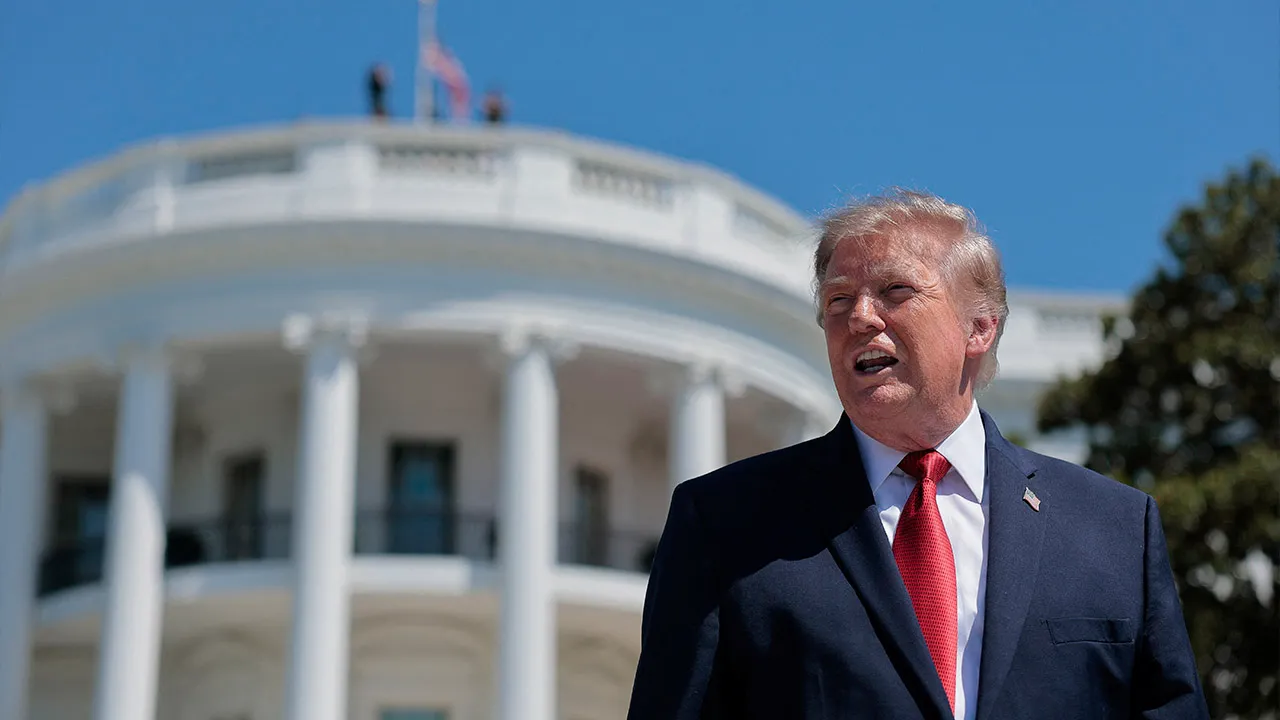
Trump condemned the ruling in a post on Truth Social, saying it was "a Dark Day for 'Justice' in Missouri!"
A group formed to oppose the new map, People Not Politicians, had collected enough signatures to file for a referendum under a provision in the state constitution that authorizes a ballot measure to approve any legislative act.
Missouri's Republican Secretary of State Denny Hoskins, the state's top election official, rejected the petition, finding that state constitutional language does not apply to congressional redistricting. The court on Thursday dismissed that argument.
"The referendum petition was legal, sufficient, and timely, and the secretary incorrectly concluded otherwise," Judge Ginger Gooch wrote for the court. The redrawn map "will not go into effect unless and until approved by voters," Gooch said.
It was not immediately clear how the ruling would affect candidates running in November's election. The state held primary elections under the new map last month, and the court did not specify how it expected nominees to be selected now that the old map is back in place.
Hoskins' office had argued that throwing out the map so close to the general election would cause confusion and practical challenges. But the court put the blame for that squarely on Hoskins, noting that he received the signatures in December and waited nearly eight months until 4 p.m. on the final deadline day to reject them.
"The Missouri constitution says what it says, and those words matter," Richard von Glahn, executive director of People Not Politicians, told reporters.
Missouri was among numerous states that either installed new maps or took steps to do so as part of an extraordinary mid-decade redistricting battle that began when Trump successfully urged Texas Republicans to tear up that state's U.S. House map.
While both Republican- and Democratic-controlled states drew new maps, Republicans eventually emerged as the winners after a U.S. Supreme Court ruling permitted several conservative Southern states to eliminate districts with significant Black populations.
Overall, Republicans improved their chances in 16 districts, including Cleaver's seat in Missouri, while Democrats secured an edge in six districts. Republicans hold a narrow 219-214 majority in the U.S. House, including one independent who caucuses with Republicans.
Missouri Governor Mike Kehoe, a Republican who backed the redrawn map, said on X: "We are extremely disappointed in today's decision by unelected judges and their lack of respect for the legislative process."