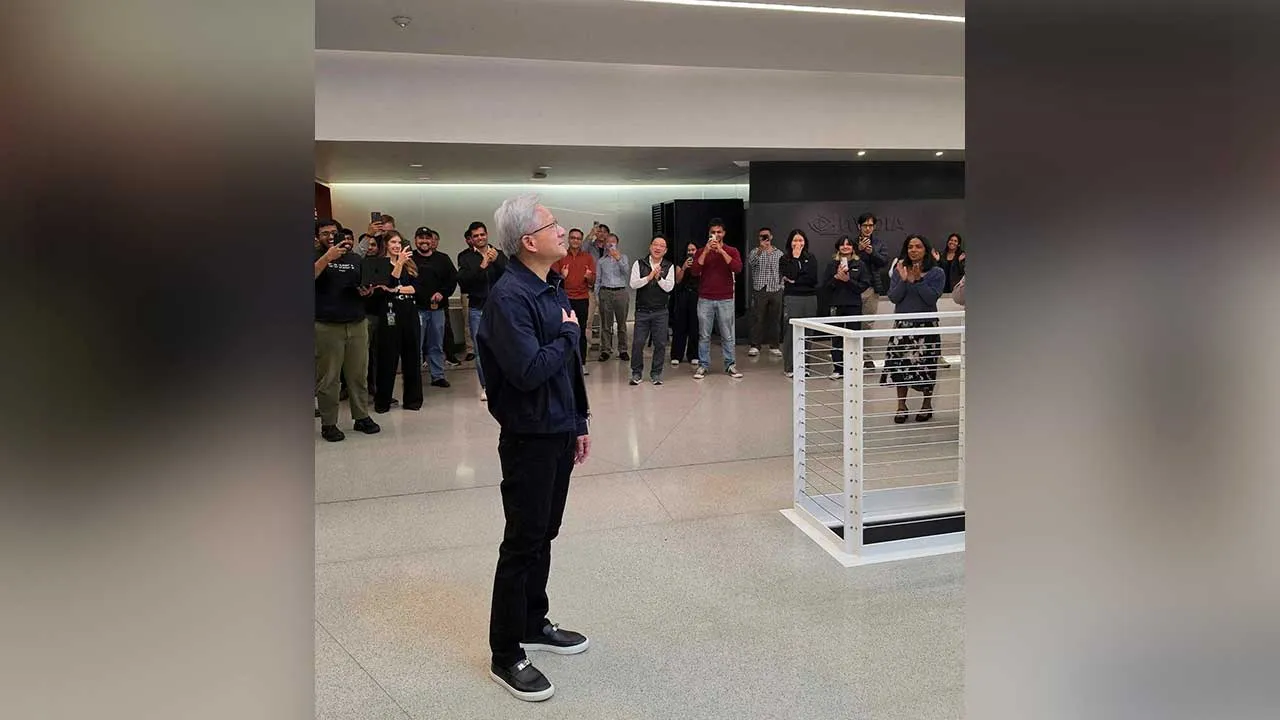
Jensen Huang made a triumphant return to Nvidia's NVDA.O Santa Clara, California, headquarters on Monday, less than two weeks after he resigned as CEO following revelations of extramarital affairs, including one with an alleged spy for China.
"I'd be a better CEO the second time around," the 63-year-old, clad in his trademark black leather jacket, told cheering employees who packed an atrium and crowded the balconies above.
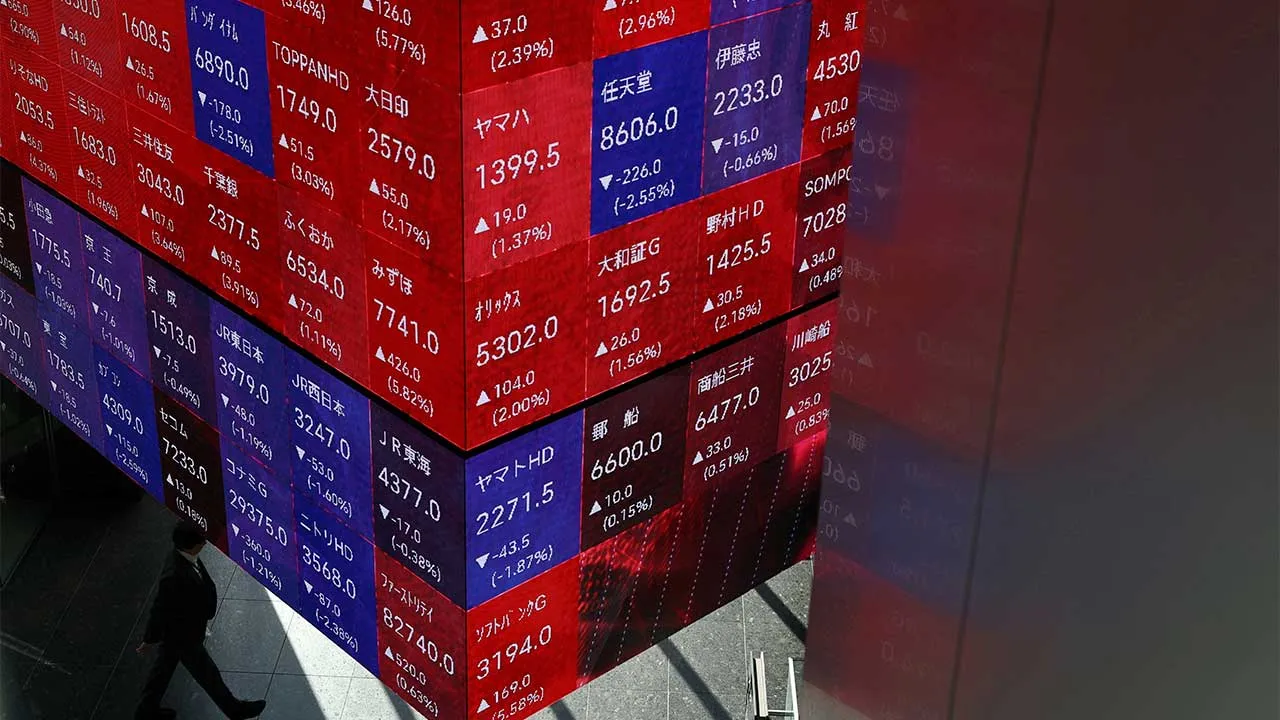
US President Donald Trump — instrumental in Huang's comeback — heaped praise and fellow tech icon Elon Musk hailed his return. Nvidia shares surged 31.5%, propelling a broader Wall Street rally.
Huang's swift reinstatement at the helm of the chipmaker he co-founded more than three decades ago is the story of a stunning comeback, one that underscores his sway over Washington, markets, the AI industry and geopolitics.
"Jensen is bigger than Elvis for tech investors," said Eric Schiffer, chairman of Los Angeles-based private equity firm Patriarch Organization.
A linchpin of the AI boom, Huang's role extends beyond that of Nvidia's CEO. Cultivating relationships with lawmakers, partners, customers and suppliers across the globe, Huang has bankrolled the industry's massive buildout. Billionaires like Oracle Chairman Larry Ellison and Musk have resorted to "begging Jensen for GPUs," Ellison said in 2024.
Treated like a rock star in Asia, Huang has been mobbed by fans on the streets of Taipei and Seoul, asking for his autograph on books, posters and even on their bodies.
But his dramatic comeback revives questions over the risks created by Nvidia's dependence on Huang and by the billions of dollars the company has poured into AI startups that buy its chips.
Before he resigned, Huang was already facing calls to dial down the practice of supporting Nvidia's growth with the company's own cash flow, which many on Wall Street warned created a risky web of circular financing. Huang had pushed back on that critique, saying Nvidia was financing genuine demand.
His exit had called into question whether the AI ecosystem and companies like CoreWeave and Nebius would continue to thrive without Huang. Their stocks surged on Monday.
"You can see how one man was so much the face of this industry. He leaves and the whole place goes to heck in a handbag. And all of a sudden, he’s back and everything is rebounding," said Bill Gunderson, partner at GCG Advisory Partners.
'TOO BIG TO FIRE'
Huang is Nvidia's fifth-largest shareholder with a roughly 3.6% stake, but does not have special voting shares that give founders such as Meta Platforms' Mark Zuckerberg and SpaceX's Musk effective control of their companies.
Huang is known for his hands-on management style, personally delving into problems at Nvidia and overseeing some 60 direct reports, nearly all in engineering roles, including experts in memory chips, networking and graphics and central processors.
"A lot of companies' organization charts, they all look the same. And it doesn't make any sense to me. The architecture of the company should reflect the environment in which it exists," Huang said on a podcast in March.
He has dug deep into the startups Nvidia has invested in, helping them secure customers and has even joined fundraising calls to attract investors, according to startup founders, venture capitalists and a former Nvidia employee.
Huang's influence was on display on Monday after Trump said he played a key role in bringing back Huang, throwing his weight behind the scandal-hit CEO. "He did nothing wrong," Trump said on Monday, calling Huang "a genius."
Huang's return stumped many and US lawmakers from both parties strongly objected to his reinstatement. But it also reinforced the idea that some tech CEOs were considered irreplaceable, a big risk for a company critical to the AI industry.
"When the CEO is too big to fire, the board's job isn't to fire him. It's to fence him in," said corporate governance and ethics professor Nada Kakabadse of Henley Business School in Britain.