AI Brief
- Malaysia plans to establish three to six CCUS hubs and attract up to RM170 billion in investments by 2050.
- The sector is projected to generate up to US$250 billion in economic value and create up to 250,000 jobs at peak operations.
- The roadmap includes flagship projects in Kuantan and initiatives to convert captured CO2 into e-fuels and algae-based products.
KUALA LUMPUR: Malaysia said on Tuesday that it planned to build between three and six carbon capture, utilisation, and storage (CCUS) hubs and attract up to 170 billion ringgit (US$41.32 billion) in related investments by 2050.
- The country also expects the sector to generate between US$200 billion and US$250 billion in economic value, and between 150,000 and 250,000 direct and indirect jobs at peak operations, under a roadmap launched on Tuesday.
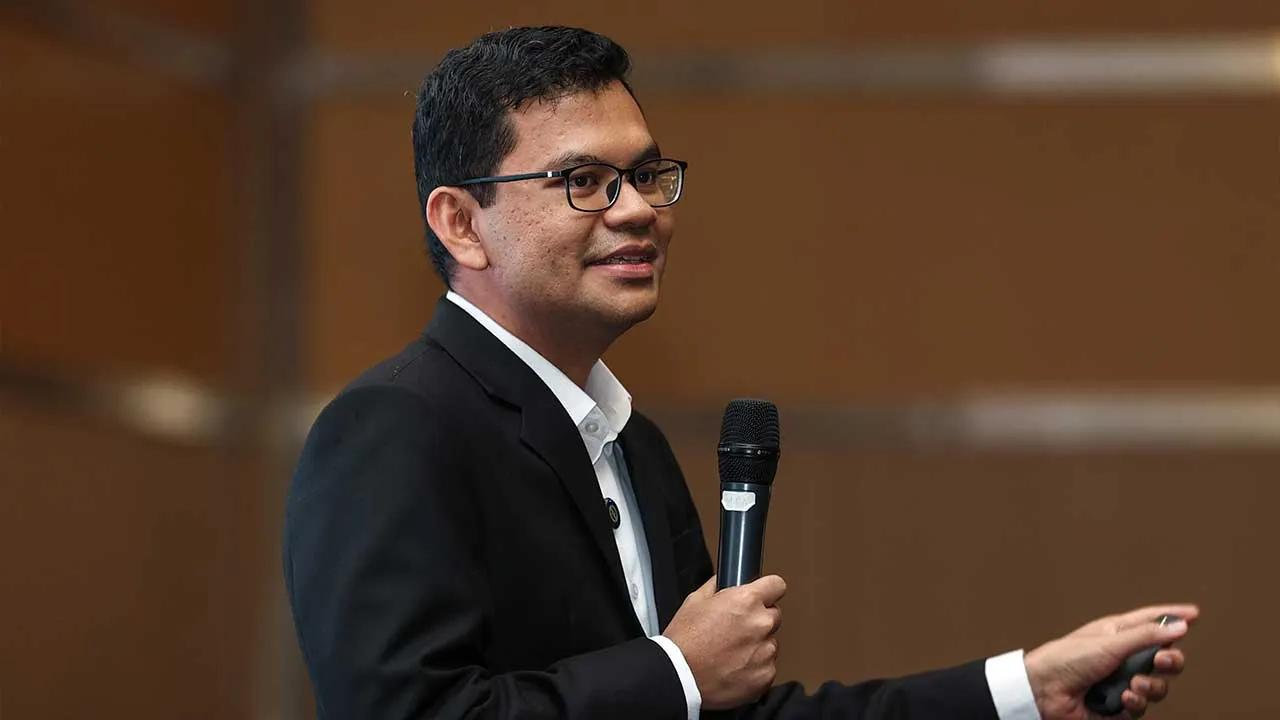
- "These projections reflect the scale of opportunity ahead. Realising that potential will require sustained investment, regulatory certainty, strong Malaysian participation and coordinated execution," Economy Minister Akmal Nasrullah Mohd Nasir said.
- The plan follows Malaysia's passing of a CCUS Act last year establishing rules for licensing, cross-border carbon dioxide shipments, and long-term site monitoring.
- Malaysia's first underground injection of captured carbon dioxide is expected to take place by 2030.
- Akmal also outlined four flagship projects aimed at scaling up commercial applications.
- They include a carbon capture hub being developed in Malaysia's Kuantan state between Petronas, Mitsui and TotalEnergies, as well as projects by state-linked Tenaga Nasional exploring how to convert captured CO2 into e-fuels and algae-based products.
- Carbon capture was one of the points of contention at the COP31 climate talks in Turkey, with Saudi Arabia insisting the final text should include support for such technologies.