
When Chinese copper flat wire manufacturer Wellascent decided to build a factory in Texas early last year, it was partly a hedge against geopolitical risk. Some eighteen months later, amid a U.S.-China trade war, the wager appears to be paying off.
AI Brief
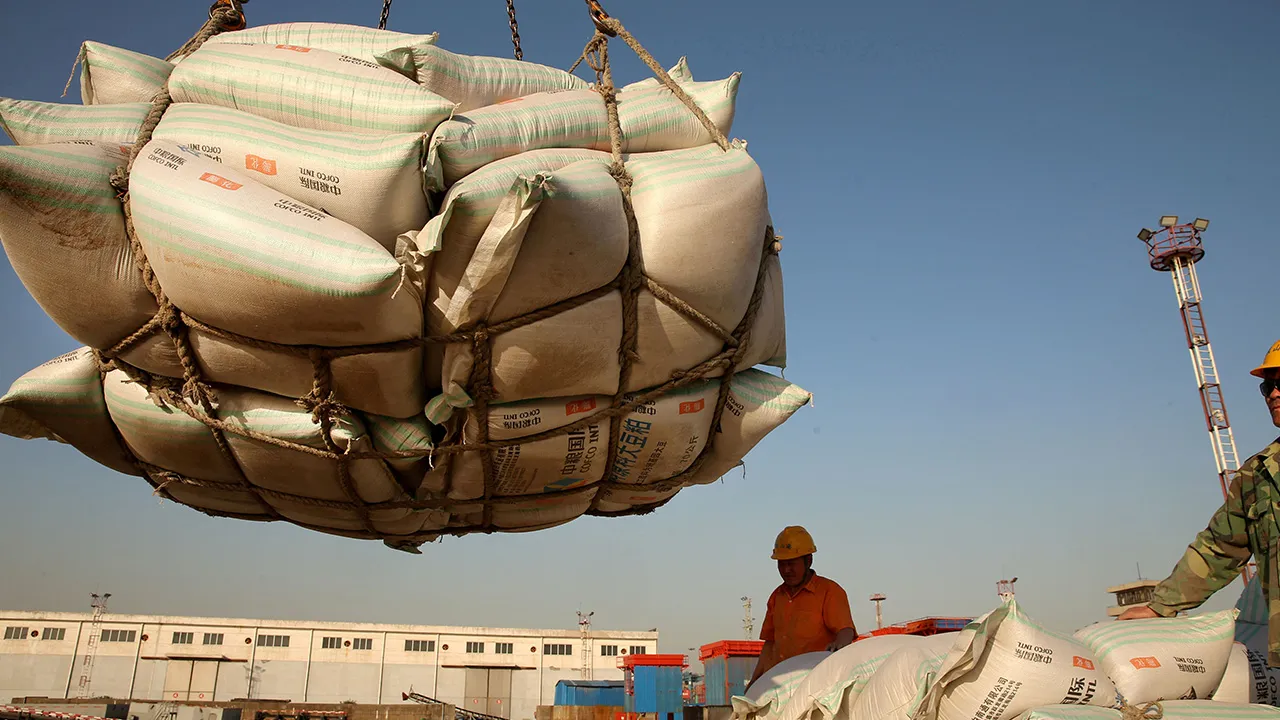
Its new plant in Grand Prairie, Texas, will start production later this year and by 2028 churn out 3,000 tons of copper flat wire annually for U.S. clients like automaker Stellantis - all from behind the safety of US President Donald Trump's tariff wall.
That wall now includes a 50% tariff on copper wire imports, the same made in their Texas plant, along with other semi-finished copper products like tubes. Refined copper, the base ingredient, was exempted from the tariffs.
"For the tariff policies that Trump wants to introduce recently, we have actually made a lot of layouts before this, including the layout of our global production bases over the world," David Jiang, vice president of Wellascent, told Reuters during a tour of their factory in mid-August.
"Because we have a factory in the United States, I think in the future, when we serve American clients on sales locally, Wellascent has more advantages, which should be a good thing for us," he added.
Wellascent's investment presents an unusual case of a Chinese company benefiting from tariffs that, in many instances, are designed to counter China's perceived industrial dominance.
While the investment achieves one of the stated aims of the policy - bringing industry to the U.S. - there is ambivalence in Washington about whether to welcome Chinese companies.
Lawmakers proposed removing tax credits from a Ford electric battery plant because it plans to use technology from China's CATL, although the carmaker said last month it believes it will still qualify.
Chinese investment, especially in manufacturing, began tapering off after the first trade war and has now mostly frozen, according to Cameron Johnson, senior partner at consultancy Tidalwave Solutions. The hostile attitude in Washington is now echoed in Beijing where regulators are encouraging firms to avoid the U.S., he added.
"This is pretty unusual for Wellascent, as they got in before the tariffs, so that actually gives them the ability to push back against competitors because they don't have the 50 percent tariff where the competitors do," he said.
The stock of Chinese foreign direct investment in the U.S. fell by $8.1 billion between 2019 and 2023, the last date data is available, according to U.S. trade data.
Wellascent's Jiang said the firm had no issues with its investments, which was approved by regulators in China and the U.S.
Both sides extended that truce by another 90 days earlier this month to give negotiators more time to craft a deal that Trump says is not far off.
If they do, then the example set by companies like Wellascent could become case studies for other Chinese firms looking to invest in the U.S., says Johnson.
"If there are other certain case studies of Chinese firms in the United States, then you'll see more Chinese companies come in to invest." Johnson said.
Your gateway to global news, insights, and stories that matter.

AI Brief
- Wellascent's Texas plant avoids US copper tariffs, giving it a competitive edge over foreign rivals.
- The company planned ahead for Trump's tariff policies, aligning its global operations to benefit from US market access.
- Despite Wellascent's success, Chinese investment in the US is shrinking due to political tensions and regulatory pressure.
Its new plant in Grand Prairie, Texas, will start production later this year and by 2028 churn out 3,000 tons of copper flat wire annually for U.S. clients like automaker Stellantis - all from behind the safety of US President Donald Trump's tariff wall.
That wall now includes a 50% tariff on copper wire imports, the same made in their Texas plant, along with other semi-finished copper products like tubes. Refined copper, the base ingredient, was exempted from the tariffs.
"For the tariff policies that Trump wants to introduce recently, we have actually made a lot of layouts before this, including the layout of our global production bases over the world," David Jiang, vice president of Wellascent, told Reuters during a tour of their factory in mid-August.
"Because we have a factory in the United States, I think in the future, when we serve American clients on sales locally, Wellascent has more advantages, which should be a good thing for us," he added.
Wellascent's investment presents an unusual case of a Chinese company benefiting from tariffs that, in many instances, are designed to counter China's perceived industrial dominance.
While the investment achieves one of the stated aims of the policy - bringing industry to the U.S. - there is ambivalence in Washington about whether to welcome Chinese companies.
Lawmakers proposed removing tax credits from a Ford electric battery plant because it plans to use technology from China's CATL, although the carmaker said last month it believes it will still qualify.
Chinese investment, especially in manufacturing, began tapering off after the first trade war and has now mostly frozen, according to Cameron Johnson, senior partner at consultancy Tidalwave Solutions. The hostile attitude in Washington is now echoed in Beijing where regulators are encouraging firms to avoid the U.S., he added.
"This is pretty unusual for Wellascent, as they got in before the tariffs, so that actually gives them the ability to push back against competitors because they don't have the 50 percent tariff where the competitors do," he said.
The stock of Chinese foreign direct investment in the U.S. fell by $8.1 billion between 2019 and 2023, the last date data is available, according to U.S. trade data.
Wellascent's Jiang said the firm had no issues with its investments, which was approved by regulators in China and the U.S.
Both sides extended that truce by another 90 days earlier this month to give negotiators more time to craft a deal that Trump says is not far off.
If they do, then the example set by companies like Wellascent could become case studies for other Chinese firms looking to invest in the U.S., says Johnson.
"If there are other certain case studies of Chinese firms in the United States, then you'll see more Chinese companies come in to invest." Johnson said.