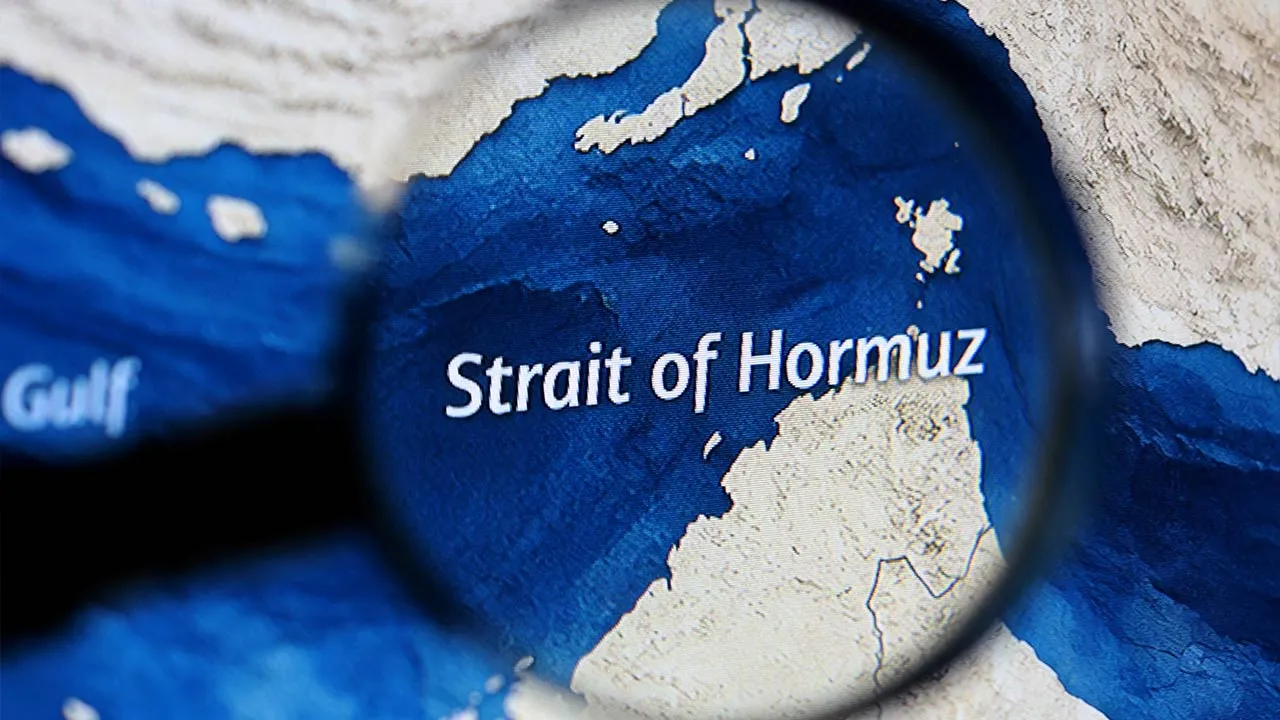
Shipping traffic through the Strait of Hormuz remained at a virtual standstill on Monday (April 20) with just three crossings in the space of 12 hours, according to shipping data.
The U.S. and Iran had declared the Strait open on Friday (April 17), after a ten-day ceasefire was announced in Lebanon - a key negotiation point for Iran in peace-talks the U.S.
However, Iran reimposed control on Saturday. Tehran said it was responding to a continued U.S. blockade of Iranian ports, calling it a violation of their ceasefire.
But will we ever see a return to normal shipping and trade, once the strait reopens?
WHAT HAPPENED AFTER THE STRAIT WAS OPENED
After two Indian-registered ships reported being attacked on Saturday while trying to pass through the strait, shipping data showed traffic through the narrow waterway had come to a stop early on Sunday.
One China-owned tanker and an Indian-owned gas carrier were seen transiting eastbound early on Sunday morning. But they appear to have been turned back and no other vessels entered or left the Gulf after midnight GMT, according to MarineTraffic vessel-tracking data.
Now in its eighth week, the war has created the most severe shock to global energy supplies in history, sending oil prices surging because of the de facto closure of the strait, which before the war carried one-fifth of the world's oil shipments.
Meanwhile uncertainty surrounded Pakistani-brokered efforts to end the conflict, which has killed thousands since it began on February 28 with a wave of U.S. and Israeli airstrikes against Iran and which has spread to Lebanon.
Talks in Islamabad - the first direct negotiations between the United States and Iran in decades - ended with no agreement last week but preparations appeared to be underway for a resumption, ahead of the expected end to the ceasefire on Wednesday.
Rolls of barbed wire could be seen near the Serena Hotel where last week's talks were held. The hotel told guests on Sunday they would need to leave due to a government event, a hotel representative said, adding that no reservations were being taken until further notice.
In central Islamabad, there was a heavy police and army presence but the security protocols did not appear to be at the same level as they were before the first round, when Vice President JD Vance led the U.S. delegation.
VESSELS REPORT GUNFIRE
Following Iran's reimposition of control on Saturday, at least two vessels reported being attacked while trying to transit the waterway. India summoned the Iranian ambassador in New Delhi and expressed deep concern that two Indian-flagged ships had come under fire in the strait, the government said.
U.S. Central Command said American forces were enforcing a maritime blockade of Iran but did not comment on the latest Iranian actions.
Tehran's reversal raised the risk that oil and gas shipments through the strait could remain disrupted just as Trump weighs whether to extend the ceasefire.
When American and Iranian negotiators met last weekend in Islamabad, the U.S. proposed a 20-year suspension of all Iranian nuclear activity, while Iran suggested a halt of three to five years, according to people familiar with the proposals.
Iran's deputy foreign minister, Saeed Khatibzadeh, said no date had been set for the next round of negotiations, adding that a framework of understanding must be agreed first.
On Friday, oil prices <CLc1> <LCOc1> fell about 10% and global stocks jumped on the prospect of marine traffic resuming through the strait. But hundreds of vessels and about 20,000 seafarers remain stranded in the Gulf awaiting passage through the waterway, shipping sources said.
Once the waterway was closed on Saturday, vessels turned back.
ONCE THE STRAIT OPENS, HOW LONG WILL IT TAKE FOR NORMAL SHIPPING TO RESUME
"We are a long way off returning to normal trade," Ellender said, adding that the initial opening, followed by the re-imposing on control by Iran will have added to the disruption.
"In terms of vessels going back into the region, potentially to load a cargo of crude oil or fertilizer, people will be very, very cautious."
Ellender said it would take months for normality to resume, explaining that over the course of the first month, normal flows could reach 25%.
After that we would enter what Ellender described as a 'watch and wait' period, where about 30-50% of normal traffic would resume.
He stressed that this would only be the case if there were no attacks or incidents in the strait.
After a month and a half of the 'watch and wait' period, a phase of normalization begins. Only after that will we see a "closer" return to normal trade.
WILL THERE BE LONG TERM IMPACT
"Things will not return to the pre-war conditions." Ellender said.
Maritime insurance in the region will remain higher, he added, making the route more expensive for vessels to traverse.
WHAT IMPACT ARE WE STILL TO SEE
Ellender used the example of fertilizer. "We're talking about crops that people are either only just planting or even the crop positions for next year," he said.
The U.S. farmers are possibly more likely to plant soybeans, which require less fertilizer, while in South Asia, a lack of fertilizer could lessen the volume of crops.
"That will impact not this calendar year, but also next calendar year."
WHAT CAN BE DONE TO MITIGATE THE IMPACT
Middle East countries are waking up to the vulnerability of the Strait of Hormuz, Ellender said, and looking at ways to diversify their trade routes.
For oil, overland pipelines is an option; while for containers, expanding the capacity of other ports in the region outside the strait.
"Having seen the events of recent weeks, they will definitely invest in doing that," Ellender said.