IRAN'S Foreign Minister on Sunday rejected the notion that his country is in direct negotiations with the United States, declaring that any formal talks remain impossible until the U.S. stops violating the terms of the interim peace deal signed in June.
Despite U.S. President Donald Trump claiming the U.S. is "semi-negotiating" with Iran, the latter refuses to publicly acknowledge that any talks are taking place.
Trump said that he is prepared to put more economic pressure on Iran, as opposed to ordering a new military offensive. The U.S. has said its recent strikes were aimed at stopping Iran from attacking vessels crossing the Strait of Hormuz, a key shipping passageway which has become a focal point for resolving the conflict.
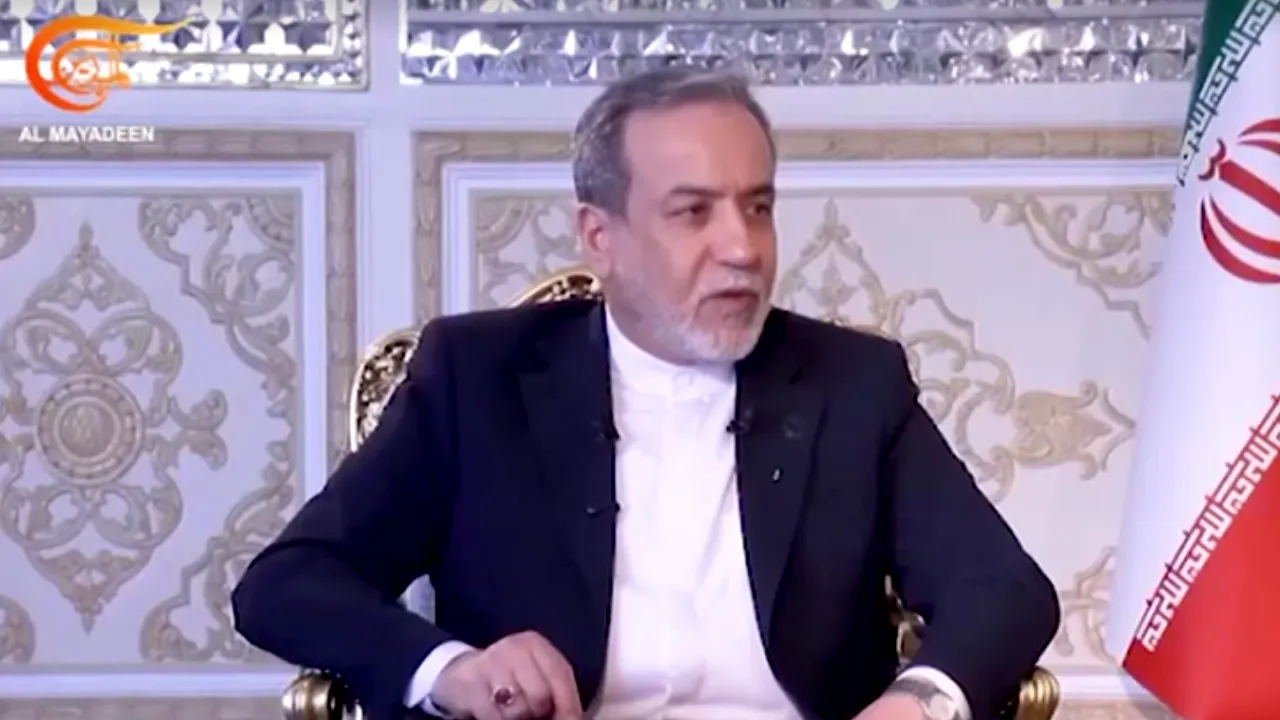
Speaking to reporters in Tehran on Sunday, Iranian Foreign Minister Seyed Abbas Araghchi once again stressed that no formal talks are taking place between the two sides.
"Negotiation has its own definition. Negotiation takes place on a specific issue in order to reach a conclusion. At the moment, we have no negotiations with the United States. Yes, there is an exchange of messages through intermediaries, but it is not called negotiation -- it is called message exchange. Intermediaries are still trying to create the grounds for negotiations. From our perspective, until the violations of the memorandum of understanding are resolved, and until the violations committed by the United States come to an end, it is not possible to start negotiations," he said.
Arangchi's remarks underscore Iran's hardened stance as it continues to tighten its grip on the Strait of Hormuz after the U.S. and Israel first launched strikes on Tehran at the end of February.
Iran has reiterated that reopening the crucial waterway is contingent on the U.S. agreeing to a sweeping set of conditions, including paying war damages, unfreezing Iranian assets, and ending all aggression against Iran and its allies in the region.
The foreign minister did confirm Iran is nearing an agreement with Oman on demarcating new shipping lanes in the strait, though the Iranian side remains adamant the waterway will not reopen until the U.S. "corrects its behavior."
According to U.S. officials who spoke to the Wall Street Journal, Trump has been preparing to claim victory in the conflict if the strait reopens, and is even privately mulling over the idea of walking away without a nuclear deal. But as Iran doubles down on its demands, it is becoming increasingly difficult for Trump to declare victory.