
TEHRAN: Iran on Wednesday said a "wall of distrust" created by the West is hindering nuclear talks with the United States, reaffirming its readiness for diplomacy on its nuclear program while vowing not to compromise on its defense capabilities.
Iranian President Masoud Pezeshkian, speaking at celebrations in Tehran for the 47th anniversary of the 1979 Islamic Revolution, said that a "wall of distrust" created by the West and excessive U.S. demands are impeding progress in nuclear talks with Washington.
"We believe that the region's problems can be resolved only by regional countries, not foreign states," he said, adding that Iran will never surrender to excessive demands and aggression.
During the nationwide celebrations, participants marched in cities across Iran, reaffirmed their allegiance to the national establishment, and condemned the "aggressive, destabilizing and criminal" policies of the United States and Israel, which they blame for regional insecurity.
The 1979 Islamic Revolution, led by Ayatollah Ruhollah Khomeini, overthrew the U.S.-backed Shah Mohammad Reza Pahlavi and transformed Iran into an Islamic republic.
Also attending the Wednesday celebrations in the capital, Ali Shamkhani, senior advisor to Iranian Supreme Leader Ali Khamenei, said Iran's missile capability is a red line and a non-negotiable issue.
According to a report by Iran's Nour News, Shamkhani said any military attack, even limited, will be considered the start of a war, the consequence of which will "reach a scope beyond the military dimension" and "affect the lives of people in different parts of the world."
Meanwhile, another report by Nour News published Wednesday, citing Iran's Foreign Ministry spokesperson Esmaeil Baghaei, said that Iran is willing to discuss the level of its uranium enrichment and the amount of its stockpile, only if its rights under the Nuclear Non-Proliferation Treaty are truly respected.
Separately, Ali Larijani, secretary of Iran's Supreme National Security Council, told state-run Al-Alam news channel on Wednesday that consultations are underway to determine the date of the next round of indirect nuclear talks between Tehran and Washington.
Larijani said the U.S. side appears willing to move the negotiations towards a solution, but it is not possible yet to make a complete judgment, adding that the date of the next round will be announced following the consultations.
Larijani met the same day in Doha with Qatar's Prime Minister and Foreign Minister Sheikh Mohammed bin Abdulrahman bin Jassim Al-Thani. Their discussions addressed the recent U.S.-Iran talks, with the Qatari leader reaffirming Doha's support for peaceful solutions to enhance regional security and stability.
Also on Wednesday, Iranian Foreign Minister Seyed Abbas Araghchi told Russia Today that he believes Iran and the United States can strike a nuclear deal better than the Joint Comprehensive Plan of Action signed in July 2015.
"I have been in the nuclear negotiations business in the past 20 years. I know that it is achievable," he said.
The Iranian side is working on a "doable plan or proposal" capable of guaranteeing that there will be no nuclear weapons while safeguarding Iran's rights to peaceful use of nuclear technology, he noted.
He reiterated that Iran will not negotiate on its missile program or regional alliances, adding, "We only negotiate about our nuclear program with the United States."
Tehran and Washington held their initial round of indirect talks on Friday in the Omani capital Muscat, amid simmering tensions between the two sides in view of Washington's military buildup near Iran.
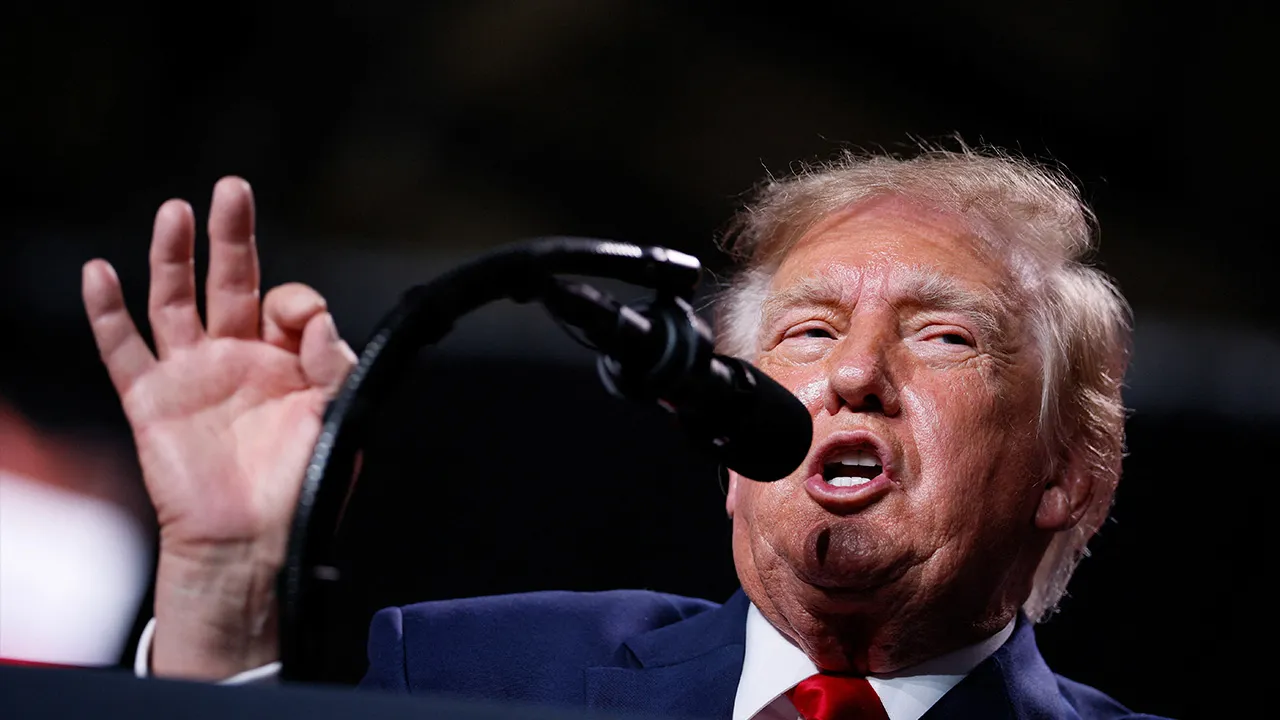
On Tuesday, U.S. President Donald Trump said he is considering sending a second aircraft carrier strike group to the Middle East for possible military actions against Iran if negotiations fail.