AI Brief
- Member states of the Economic Cooperation Organization expressed support for Iran's "two-day plan" to reopen the Strait of Hormuz during a meeting in Islamabad.
- The plan involves U.S. compliance measures on the first day, followed by the reopening of the strait and restoration of normal maritime traffic on the second.
- The Iranian Navy reported four oil tankers were damaged by mines near the strait, emphasizing the need for compliance with navigation rules and coordination with Iranian forces.
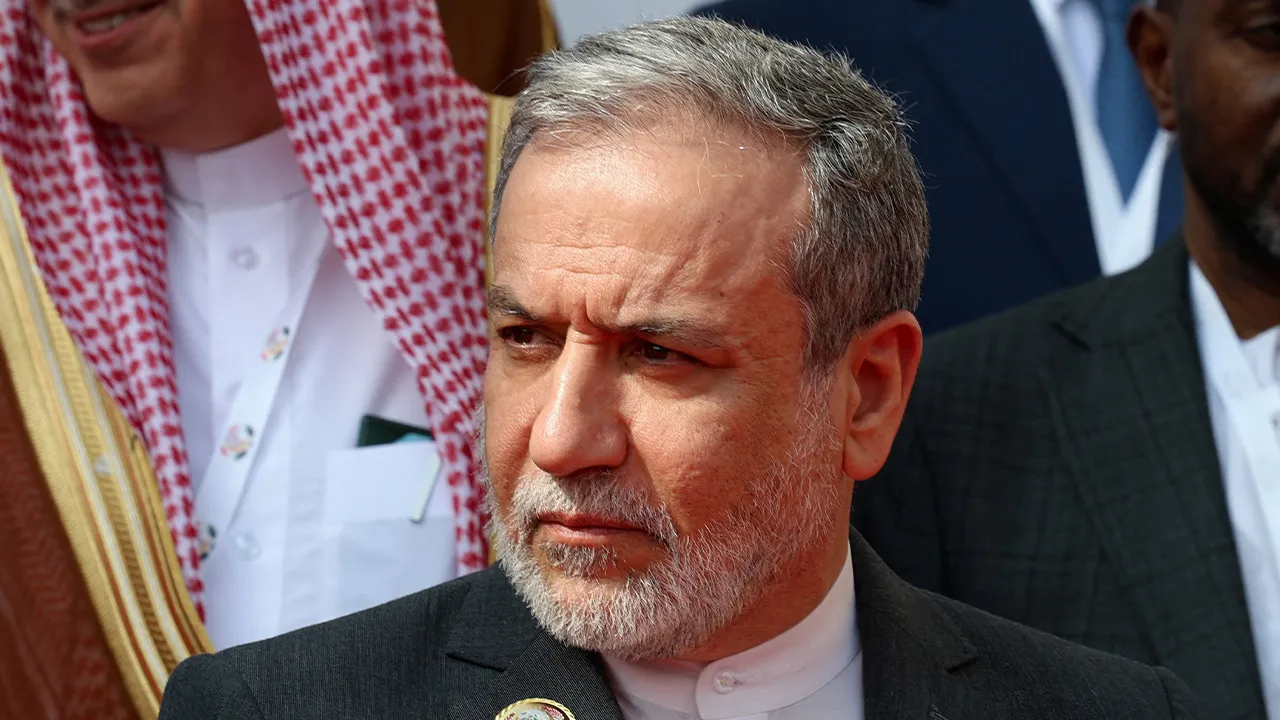
IRANIAN Foreign Minister Seyed Abbas Araghchi said Monday that member states of the Economic Cooperation Organization (ECO) expressed support for Iran's "two-day plan" to reopen the Strait of Hormuz, a key oil shipping route linking the Persian Gulf and the Gulf of Oman.
After attending a meeting of the ECO in Pakistan's capital, Islamabad, Araghchi told the press the member states also expressed hope that the plan would lead to a comprehensive ceasefire.
ECO is a Eurasian political and economic intergovernmental organization founded in Tehran in 1985 by Iran, Pakistan and Türkiye. Its ministerial session concluded Monday after two days of talks.
Earlier, on Nov 1, Araghchi said that, at the suggestion of Qatari mediators, Iran has agreed to a "two-day plan" to open the waterway, under which the United States would take a series of compliance measures on the first day, and the strait would open with traffic returning to its previous state on the second.
As long as Washington abides by the plan, he added, it can pave the way for the restoration of normal life in the Persian Gulf and the Strait of Hormuz.
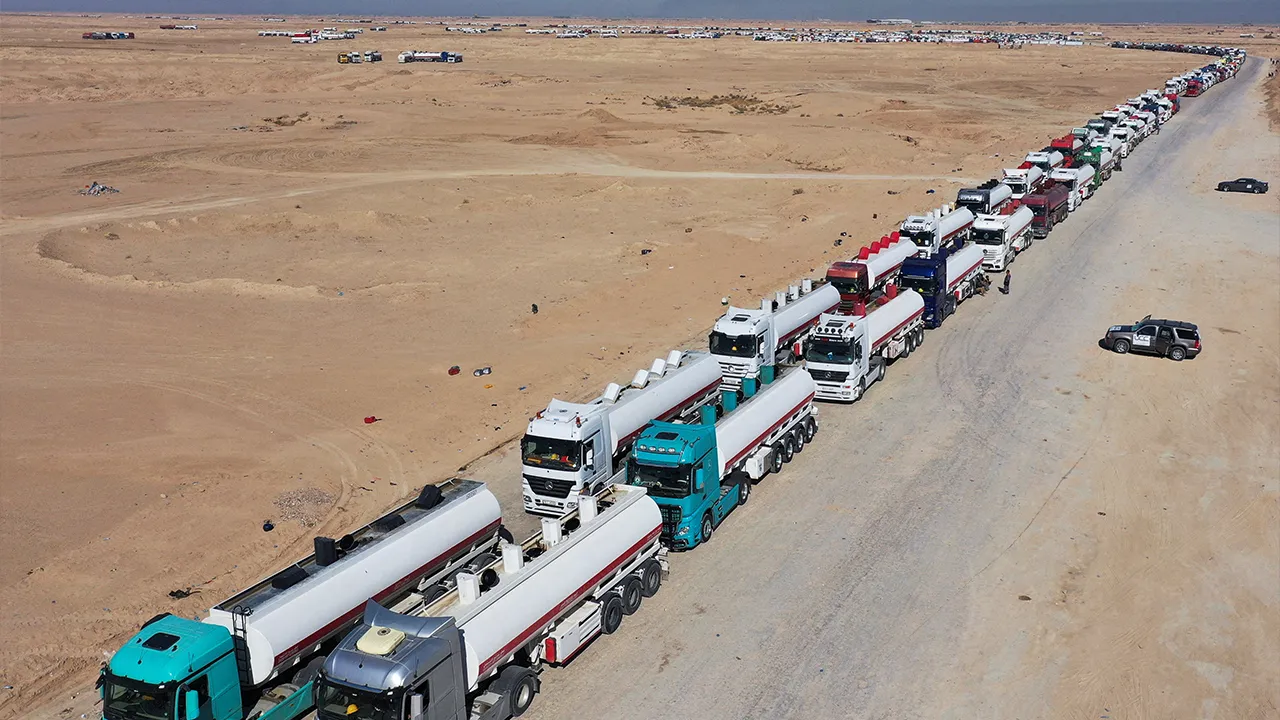
The waterway has recently seen frequent reports of vessels coming under attack or hitting mines and catching fire. The Iranian Navy said late Monday that over the past 24 hours, four oil tankers traveling through a restricted area east of the strait with their navigation systems switched off had struck mines and been severely damaged.
Safe passage, the navy said, requires compliance with relevant rules and coordination with the Iranian armed forces.
Iranian Army spokesman Mohammad Akraminia said late Monday that if Washington does not meet Iran's conditions, the strait would remain closed. Even if it does, he said, the presence of foreign forces in the Persian Gulf and the Gulf of Oman would still threaten regional security, a situation that must end.