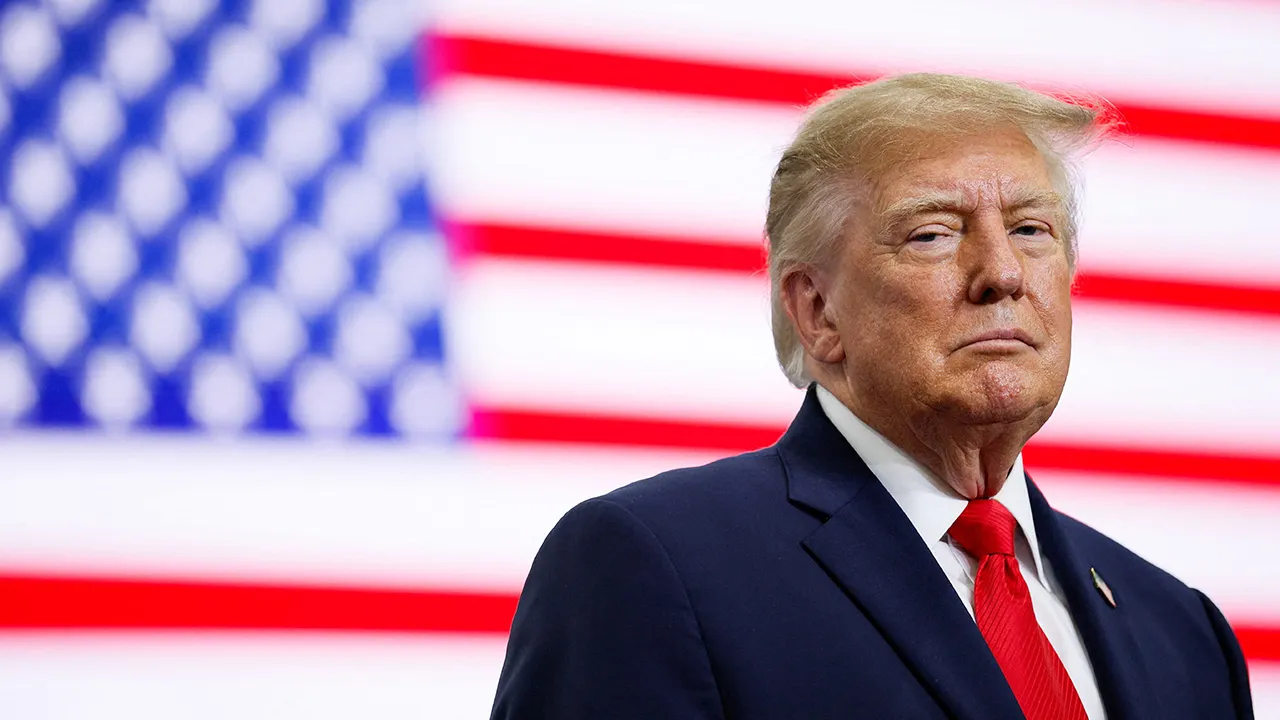

TOKYO: Japan will not sacrifice the agricultural sector as part of its tariff talks with the United States, its top negotiator said on Tuesday, after President Donald Trump complained that the key Asian ally was not buying American rice.
AI Brief
Trump's comment, made in a social media post on Monday, comes as Tokyo scrambles to convince the U.S. to scrap a 25% tariff on Japanese cars and a 24% reciprocal tariff on other Japanese imports. The reciprocal tariff has been paused until July 9, but Japan has yet to secure a trade deal after nearly three months of negotiations.
While the auto sector is Japan's top employer and exporter, the farm sector has traditionally been an important voting bloc for Prime Minister Shigeru Ishiba's Liberal Democratic Party, which faces key upper house elections on July 20.
"I have repeatedly stated that agriculture is the foundation of the nation," top trade negotiator and Economy Minister Ryosei Akazawa told a press conference.
"In negotiations with the United States, our stance remains unchanged: We will not engage in talks that would sacrifice the agricultural sector," he said, adding that he would continue to negotiate with his U.S. counterparts to protect Japan's national interests.
Akazawa, who returned from his seventh trip to Washington a few days ago, declined to say whether rice was part of those discussions.
Trump wrote on Truth Social that Japan's reluctance to import American-grown rice was a sign that countries have become "spoiled with respect to the United States of America."
"I have great respect for Japan, they won't take our RICE, and yet they have a massive rice shortage," he wrote.
AMERICAN RICE IMPORTS RISE
Japan has in fact imported historically high volumes of U.S. rice in recent months as domestically grown rice has skyrocketed in price since last year, hurting consumers.
But Tokyo caps tariff-free imports of staple rice - which is consumed at meals as opposed to rice used for feed or ingredients in other products - at 100,000 metric tons a year and imposes a levy of 341 yen ($2.37) per kg for anything beyond that. That amount is a fraction of Japan's total annual consumption of about 7 million tons.
While Farm Minister Shinjiro Koizumi has lamented the influx of foreign rice as a threat to Japan's food security, the government has brought forward a tender usually held in September for this year's first 30,000 tons of tariff-free staple rice imports as part of efforts to lower domestic prices.
Results of that tender, held on June 27, showed applications for 81,853 tons, or nearly three times as much as the amount auctioned. Of the total tendered, 25,541 tons was from the U.S., followed by 1,500 tons from Australia and 708 tons from Thailand.
Tariffed imports have also increased. In May alone, private companies imported some 10,600 metric tons of staple rice, of which about three-quarters came from the U.S., Finance Ministry data shows. ($1 = 143.7200 yen)
Your gateway to global news, insights, and stories that matter.

AI Brief
- Trump slammed Japan for not buying more US rice, though Japan has recently increased imports amid rising domestic prices.
- Japan is pushing to avoid US auto tariffs but refuses to make trade-offs that hurt its farm sector before July 9 and upcoming elections.
- Despite the criticism, Japan imported large volumes of US rice in June, but strict quotas and high tariffs still apply beyond limits.
Trump's comment, made in a social media post on Monday, comes as Tokyo scrambles to convince the U.S. to scrap a 25% tariff on Japanese cars and a 24% reciprocal tariff on other Japanese imports. The reciprocal tariff has been paused until July 9, but Japan has yet to secure a trade deal after nearly three months of negotiations.
While the auto sector is Japan's top employer and exporter, the farm sector has traditionally been an important voting bloc for Prime Minister Shigeru Ishiba's Liberal Democratic Party, which faces key upper house elections on July 20.
"I have repeatedly stated that agriculture is the foundation of the nation," top trade negotiator and Economy Minister Ryosei Akazawa told a press conference.
"In negotiations with the United States, our stance remains unchanged: We will not engage in talks that would sacrifice the agricultural sector," he said, adding that he would continue to negotiate with his U.S. counterparts to protect Japan's national interests.
Akazawa, who returned from his seventh trip to Washington a few days ago, declined to say whether rice was part of those discussions.
Trump wrote on Truth Social that Japan's reluctance to import American-grown rice was a sign that countries have become "spoiled with respect to the United States of America."
"I have great respect for Japan, they won't take our RICE, and yet they have a massive rice shortage," he wrote.
AMERICAN RICE IMPORTS RISE
Japan has in fact imported historically high volumes of U.S. rice in recent months as domestically grown rice has skyrocketed in price since last year, hurting consumers.
But Tokyo caps tariff-free imports of staple rice - which is consumed at meals as opposed to rice used for feed or ingredients in other products - at 100,000 metric tons a year and imposes a levy of 341 yen ($2.37) per kg for anything beyond that. That amount is a fraction of Japan's total annual consumption of about 7 million tons.
While Farm Minister Shinjiro Koizumi has lamented the influx of foreign rice as a threat to Japan's food security, the government has brought forward a tender usually held in September for this year's first 30,000 tons of tariff-free staple rice imports as part of efforts to lower domestic prices.
Results of that tender, held on June 27, showed applications for 81,853 tons, or nearly three times as much as the amount auctioned. Of the total tendered, 25,541 tons was from the U.S., followed by 1,500 tons from Australia and 708 tons from Thailand.
Tariffed imports have also increased. In May alone, private companies imported some 10,600 metric tons of staple rice, of which about three-quarters came from the U.S., Finance Ministry data shows. ($1 = 143.7200 yen)