
NEW YORK: United Nations Secretary-General Antonio Guterres admits that his generation has failed to address key global challenges, namely climate change, now passing the burden to today’s youth.
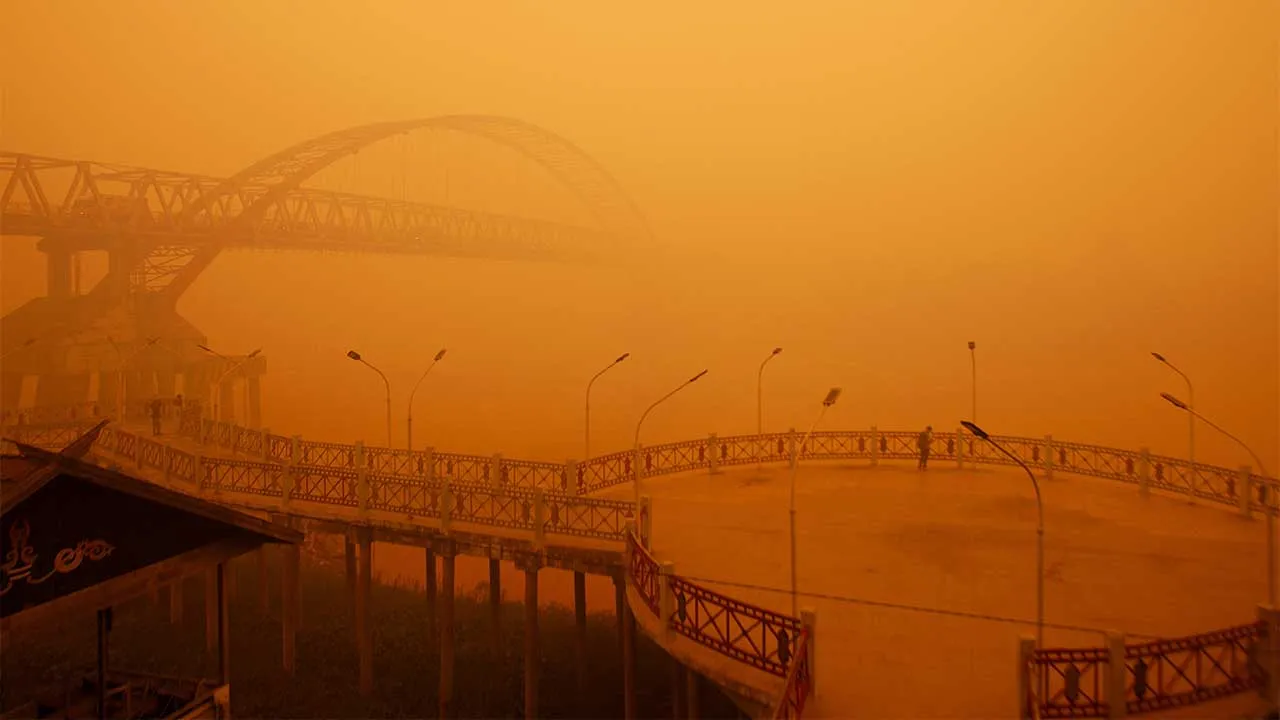
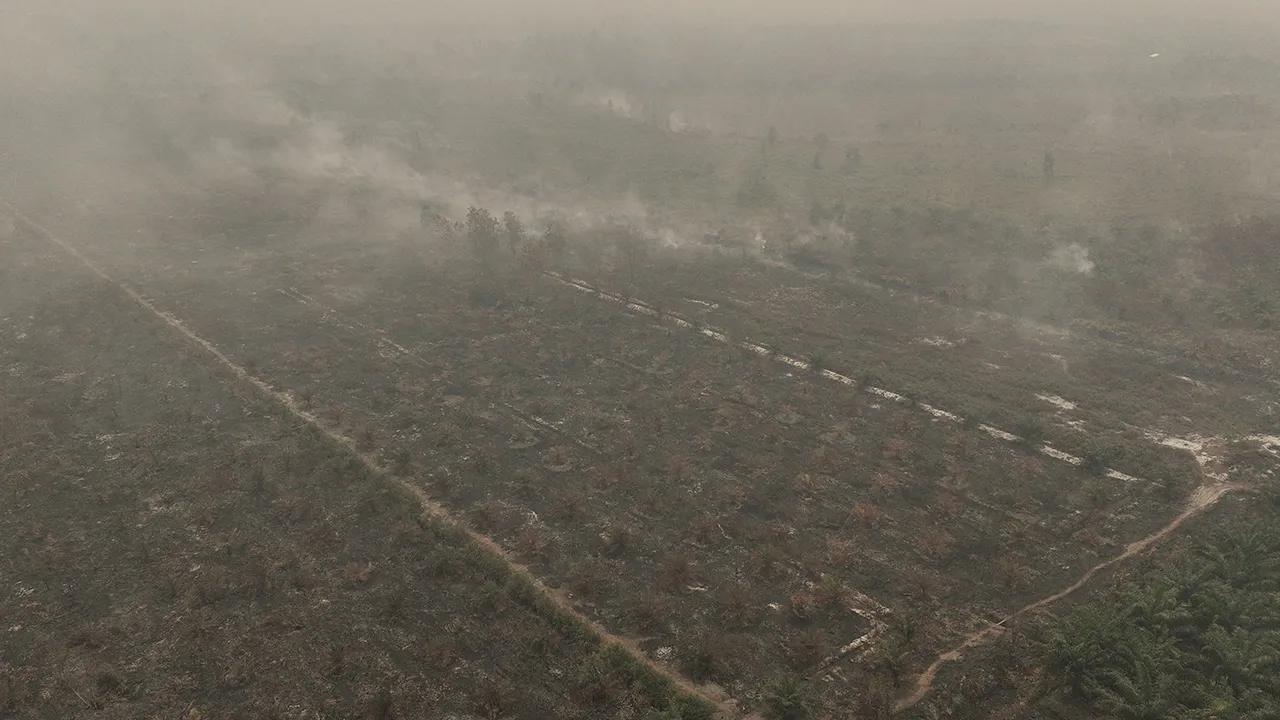
Citing projections that global temperatures could breach the 1.5 degrees Celsius threshold within the next decade, he warned of devastating impacts on nature, human health and food security.
“I get the impression that we are now in a perfect storm,” he said, describing the situation of today’s world compared with when he first took office in 2017.
He highlighted the wars in Ukraine and Gaza, as well as ongoing conflicts in Sudan, Myanmar and the Sahel, noting that many areas face escalating violence and humanitarian crises.
In a virtual address with the 2025 UN Reham Al-Farra Memorial Journalism Fellowship, Guterres also pointed to food insecurity, inflation and growing inequalities among states.
"What is most needed, he said, is a dramatic decrease in global emissions toward net zero by 2050. But current national pledges aim for just 10 percent of reductions by 2035, well below the 60 percent requirement.
“This is an extremely serious problem that we face." he said.
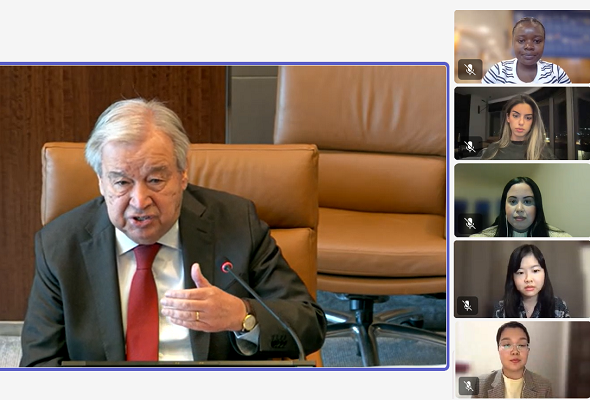
In the current landscape, Guterres expressed cautious optimism that artificial intelligence could support the UN’s work and accelerate the Sustainable Development Goals by multiplying capacity.
“But the truth is that it's almost completely out of control. There is no capacity to have any meaningful regulation.”
He also called for reforms to strengthen multilateral institutions, but admitted many were outdated and ineffective, having been created after World War II.
This included the UN Security Council, which he said is out of step with today’s realities, lacking representation from Africa and Latin America and often paralysed by veto powers that protect violations of international law.
“Here in the UN, we have a blueprint of what needs to be done,” said Guterres.
“But let's be honest, there is not much political will among member states, especially those that benefit from the injustices of today's world, to do the reforms that are necessary.”
Guterres is expected to complete his second five-year term as Secretary-General at the end of 2026.
The selection process for his successor began last month, with the presidents of the Security Council and General Assembly inviting member states to nominate potential candidates.
Stay informed — click here for the latest news and stories on climate action.
Citing projections that global temperatures could breach the 1.5 degrees Celsius threshold within the next decade, he warned of devastating impacts on nature, human health and food security.
“I get the impression that we are now in a perfect storm,” he said, describing the situation of today’s world compared with when he first took office in 2017.
He highlighted the wars in Ukraine and Gaza, as well as ongoing conflicts in Sudan, Myanmar and the Sahel, noting that many areas face escalating violence and humanitarian crises.
In a virtual address with the 2025 UN Reham Al-Farra Memorial Journalism Fellowship, Guterres also pointed to food insecurity, inflation and growing inequalities among states.
"What is most needed, he said, is a dramatic decrease in global emissions toward net zero by 2050. But current national pledges aim for just 10 percent of reductions by 2035, well below the 60 percent requirement.
“This is an extremely serious problem that we face." he said.
In the current landscape, Guterres expressed cautious optimism that artificial intelligence could support the UN’s work and accelerate the Sustainable Development Goals by multiplying capacity.
“But the truth is that it's almost completely out of control. There is no capacity to have any meaningful regulation.”
He also called for reforms to strengthen multilateral institutions, but admitted many were outdated and ineffective, having been created after World War II.
This included the UN Security Council, which he said is out of step with today’s realities, lacking representation from Africa and Latin America and often paralysed by veto powers that protect violations of international law.
“Here in the UN, we have a blueprint of what needs to be done,” said Guterres.
“But let's be honest, there is not much political will among member states, especially those that benefit from the injustices of today's world, to do the reforms that are necessary.”
Guterres is expected to complete his second five-year term as Secretary-General at the end of 2026.
The selection process for his successor began last month, with the presidents of the Security Council and General Assembly inviting member states to nominate potential candidates.
Stay informed — click here for the latest news and stories on climate action.