AI Brief
- Secretary of State Marco Rubio stated that US economic sanctions and a naval blockade are significantly impacting Iran, reducing the need for military action.
- President Trump has decided to hold off on military strikes against Iran following appeals from regional allies and advice from top advisers.
- The US sanctions and blockade have severely restricted Iran's ability to sell energy globally, causing escalating economic hardship for the country.
PARIS: Secretary of State Marco Rubio said on Tuesday that he told G7 allies the US economic sanctions and naval blockade are working so well that President Donald Trump does not need to conduct major combat operations against Iran.
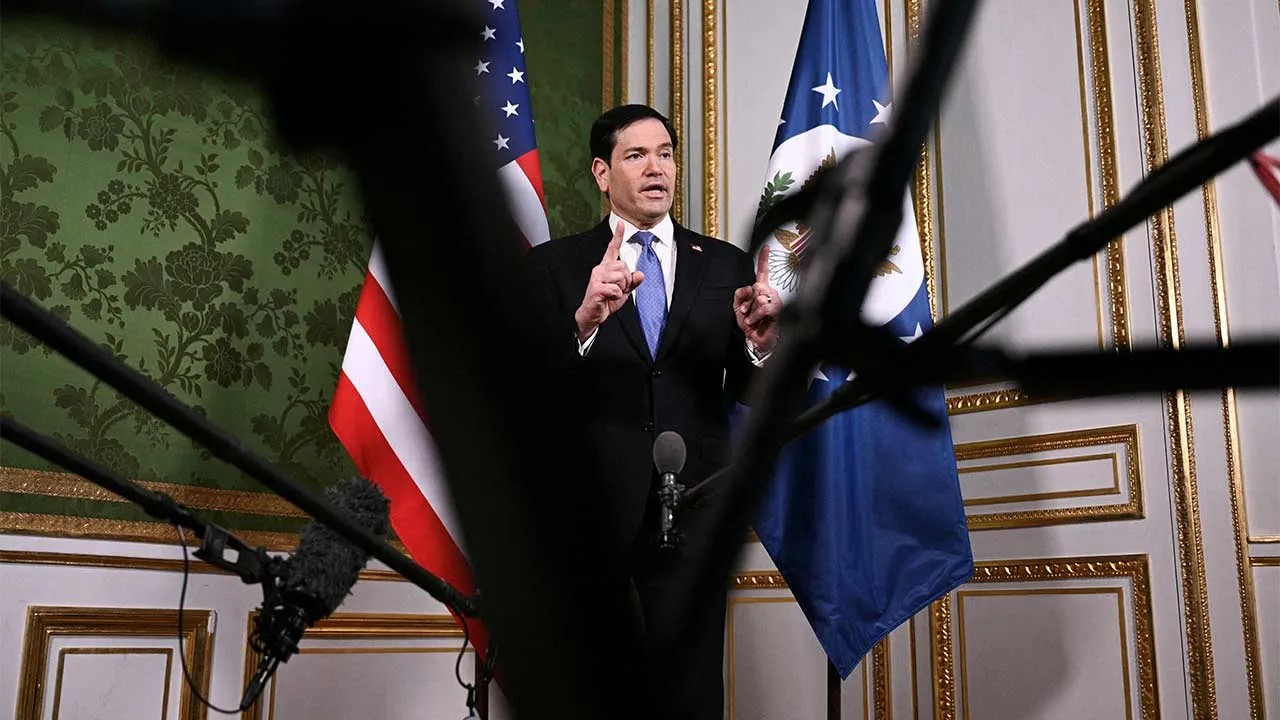
Speaking to reporters in Paris after two days of meetings with G7 allies, Rubio repeatedly pushed back on the assertion that not returning to military action would amount to a stalemate or status quo.
"The economic pain that is being inflicted on Iran right now is extraordinary, and it compounds. It's growing every day," Rubio said. He added that Trump has also received input from regional allies in the Middle East confirming this assessment.
On Monday, Trump said he plans to hold off on military strikes against Iran after appeals from countries in the region, including from Qatar's prime minister in White House talks.
"We don't need to conduct military strikes if we're achieving the same objective through economic means and economic pressure. That's not stalemate," Rubio said. "Never has Iran ever faced the inability to sell energy in the global market like they are today."
VANCE PREFERS DEAL WITH IRAN: SOURCE
Some of Trump's top advisers also prefer economic pressure over military strikes, namely newly installed White House chief of staff Stephen Miller and Treasury Secretary Scott Bessent, a person familiar with the thinking said. Vice President JD Vance prefers a deal with Iran, but Trump is for now convinced that a tenable deal is not possible, the person said.
The White House did not respond to a request for comment.
Trump has acknowledged the Iran war was one reason for Republicans' defeat in last week's midterm congressional elections, while Vance, seen as a potential successor to Trump when his term ends in two years, was more definitive, saying, "The reason we lost is the war."
The US has maintained sanctions against Iran for decades, most of which have been aimed at curtailing the country's oil revenue, acquisition of weapons components and at cutting off funding for business enterprises controlled by the Islamic Revolutionary Guard Corps, a dominant force in the Iranian economy.
Tehran has weathered the sanctions, but the naval blockade that the US imposed has inflicted severe economic damage on the country.