
TAIPEI: Taiwan does not seek conflict with China and will not provoke confrontation, but Beijing's "aggressive" military posturing was counterproductive, Vice President Hsiao Bi-khim said on Friday.
AI Brief
China considers democratic Taiwan as part of its own territory and calls President Lai Ching-te a "separatist". Taiwan's government disputes China's claim.
Speaking to the Taiwan Foreign Correspondents' Club in the capital Taipei, Hsiao said that Chinese pressure on Taiwan had only escalated over the past few years but that the island's people were peace-loving.
"We do not seek conflict; we will not provoke confrontation," she said, reiterating Lai's offer of talks between Taipei and Beijing.
For decades, Taiwan's people and business have contributed to China's growth and prosperity, which has only been possible under a peaceful and stable environment, Hsiao added.
"Aggressive military posturing is counterproductive and deprives the people on both sides of the Taiwan Strait of opportunities to pursue an agenda of growth and prosperity," she said.
"Defending the status quo (with China) is our choice, not because it is easy, but because it is responsible and consistent with the interests of our entire region."
Taiwan, a major semiconductor producer, is facing another international challenge at the moment - tariff talks with the United States.
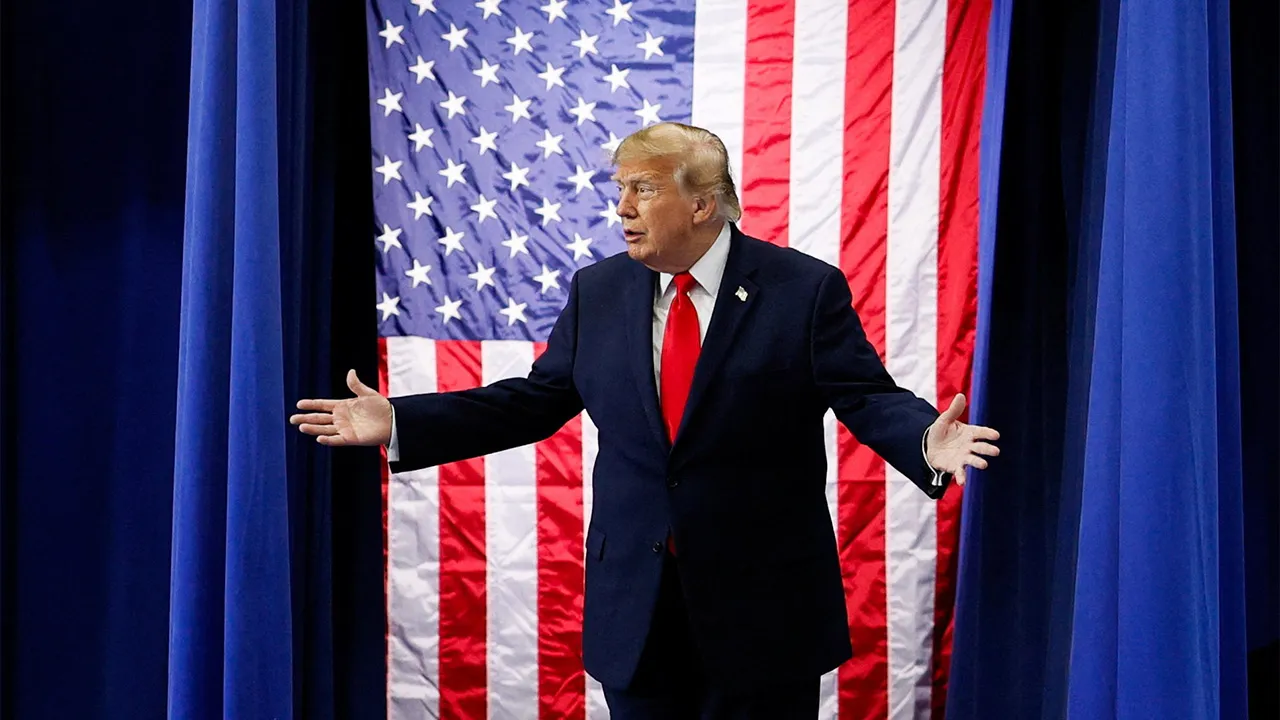
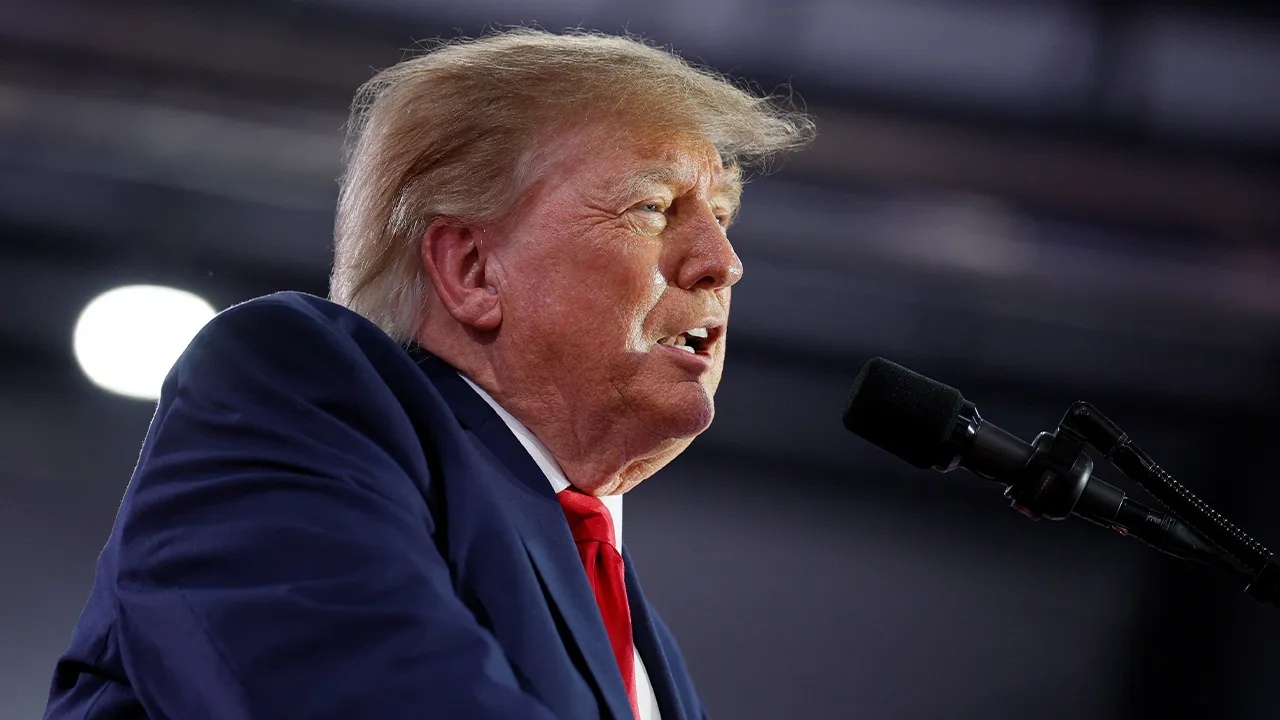
Taiwan remains in negotiations with Washington, following U.S. President Donald Trump's April announcement that the island would be subject to a 32% tariff, which was subsequently suspended to facilitate talks.
"With the United States, our negotiators are literally working around the clock to strive to reach an agreement on reciprocal tariffs to achieve trade balance while also promoting further bilateral cooperation in technology, investments and other areas," Hsiao said.
Your gateway to global news, insights, and stories that matter.
AI Brief
- Taiwan rejects China's claims and stresses it wants peace, not conflict, while offering dialogue with Beijing.
- Taiwan criticises China's military pressure, saying peace benefits both sides economically.
- Taiwan is negotiating with the US to avoid a 32% tariff and strengthen bilateral trade and tech ties.
China considers democratic Taiwan as part of its own territory and calls President Lai Ching-te a "separatist". Taiwan's government disputes China's claim.
Speaking to the Taiwan Foreign Correspondents' Club in the capital Taipei, Hsiao said that Chinese pressure on Taiwan had only escalated over the past few years but that the island's people were peace-loving.
"We do not seek conflict; we will not provoke confrontation," she said, reiterating Lai's offer of talks between Taipei and Beijing.
For decades, Taiwan's people and business have contributed to China's growth and prosperity, which has only been possible under a peaceful and stable environment, Hsiao added.
"Aggressive military posturing is counterproductive and deprives the people on both sides of the Taiwan Strait of opportunities to pursue an agenda of growth and prosperity," she said.
"Defending the status quo (with China) is our choice, not because it is easy, but because it is responsible and consistent with the interests of our entire region."
Taiwan, a major semiconductor producer, is facing another international challenge at the moment - tariff talks with the United States.
Taiwan remains in negotiations with Washington, following U.S. President Donald Trump's April announcement that the island would be subject to a 32% tariff, which was subsequently suspended to facilitate talks.
"With the United States, our negotiators are literally working around the clock to strive to reach an agreement on reciprocal tariffs to achieve trade balance while also promoting further bilateral cooperation in technology, investments and other areas," Hsiao said.