
GENEVA: Iran and the U.S. hold the latest round of talks in Geneva on Thursday aimed at resolving their longstanding nuclear dispute and averting new U.S. strikes on Iran following a large-scale military buildup.
The two countries renewed negotiations this month, hoping to tackle a decades-long stand-off over Tehran's nuclear program, which Washington, other Western states and Israel believe is aimed at building nuclear arms. Tehran denies this.
U.S. Special Envoy Steve Witkoff and U.S. President Donald Trump's son-in-law, Jared Kushner, will attend the indirect talks with Iran's Foreign Minister Abbas Araqchi, a U.S. official told Reuters. The talks follow discussions in Geneva last week and will be mediated by Oman's Foreign Minister Badr Albusaidi.
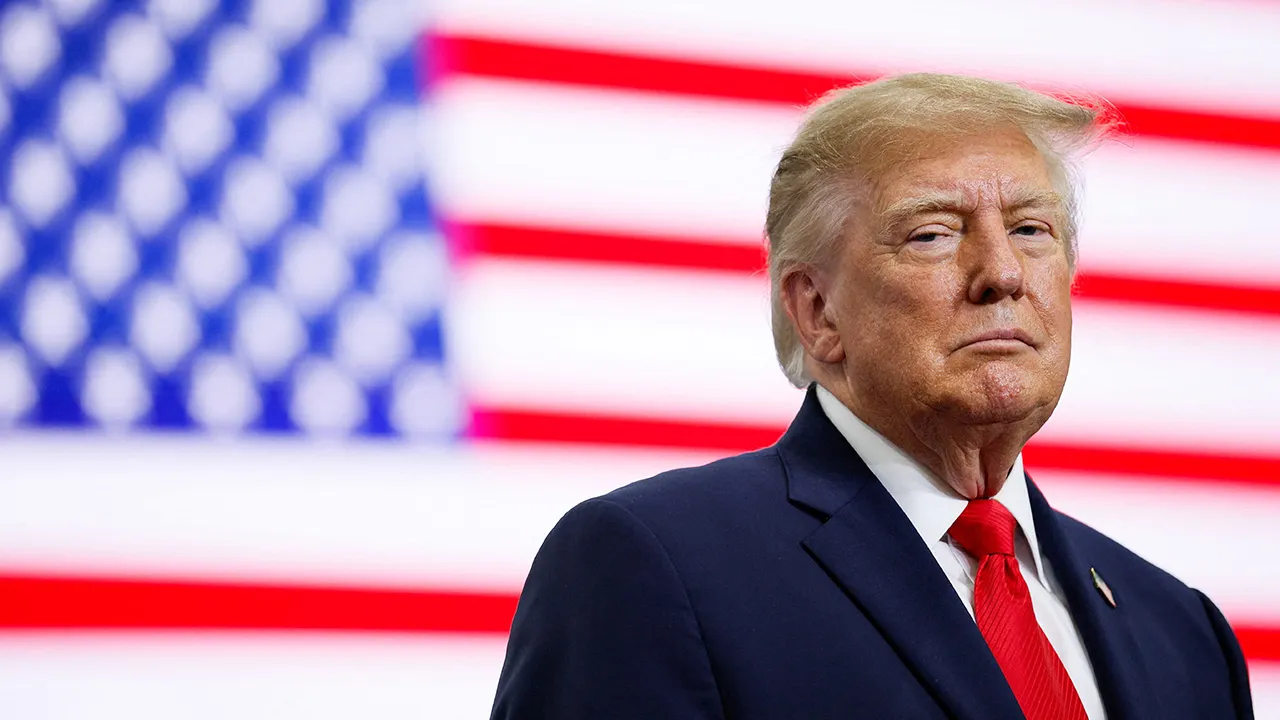
U.S. President Donald Trump briefly laid out his case for a possible attack on Iran in his State of the Union speech to Congress on Tuesday, saying his preference was to solve the problem through diplomacy, but that he would not allow Tehran to have a nuclear weapon.
PRESSURE INSIDE AND OUTSIDE IRAN
On Wednesday, U.S. Vice President JD Vance underscored Trump's argument.
"Iran can't have a nuclear weapon. That would be the ultimate military objective, if that's the route that (Trump) chose," Vance said in an interview on Fox News.
The U.S. has been assembling a massive military force in the Middle East - its biggest military deployments in the region since the invasion of Iraq in 2003 - prompting fears of a wider regional conflict. In June last year the U.S. joined Israel in hitting Iranian nuclear sites. Iran has threatened to retaliate fiercely if attacked again.
Trump said on February 19 that Iran must make a deal in 10-15 days, warning that "really bad things" would otherwise happen.
Oil prices inched up on Thursday as investors gauged whether U.S.-Iran talks could avert a military conflict that risks supply disruptions, though gains were capped by a build in U.S. crude inventories.
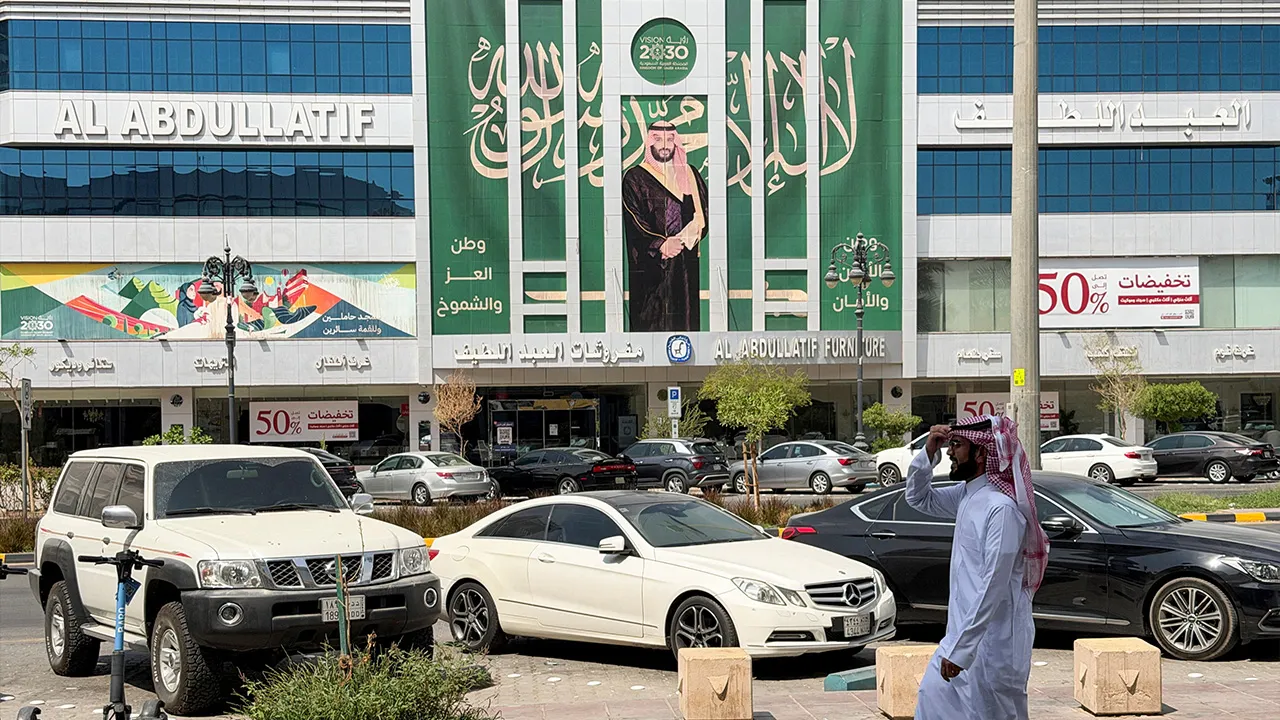
Saudi Arabia is increasing its oil production and exports as part of a contingency plan in case any U.S. strike on Iran disrupted supplies from the Middle East, two sources familiar with the plan said on Wednesday.
Araqchi on Tuesday said his country aims to achieve a fair, swift deal, but reiterated that it would not forgo its right to peaceful nuclear technology. Washington views nuclear enrichment inside Iran as a potential pathway to nuclear weapons.
"A deal is within reach, but only if diplomacy is given priority," Araqchi said in a statement on X.
Reuters reported on Sunday that Tehran was offering fresh concessions in return for removal of sanctions and recognition of its right to enrich uranium, as it seeks to avert a U.S. attack.
However, both sides remain sharply divided - even over the scope and sequencing of relief from crippling U.S. sanctions - a senior Iranian official told Reuters.
Within Iran, Supreme Leader Ayatollah Ali Khamenei faces the gravest crisis of his 36-year tenure, with an economy struggling under the weight of tightened sanctions and renewed protests following major unrest and a bloody crackdown in January.
International Atomic Energy Agency head Rafael Grossi is also expected to be in Geneva during the talks to hold discussions with both sides, as he did last week.