AI Brief
- US President Donald Trump may seek renewed diplomacy with North Korea as domestic political setbacks limit his ability to advance his agenda.
- North Korea has expanded its weapons programme and strengthened ties with Russia and China since the collapse of previous US-North Korea talks.
- Any new Trump-Kim diplomacy could create friction with US allies in Asia, who are concerned about being sidelined in negotiations.
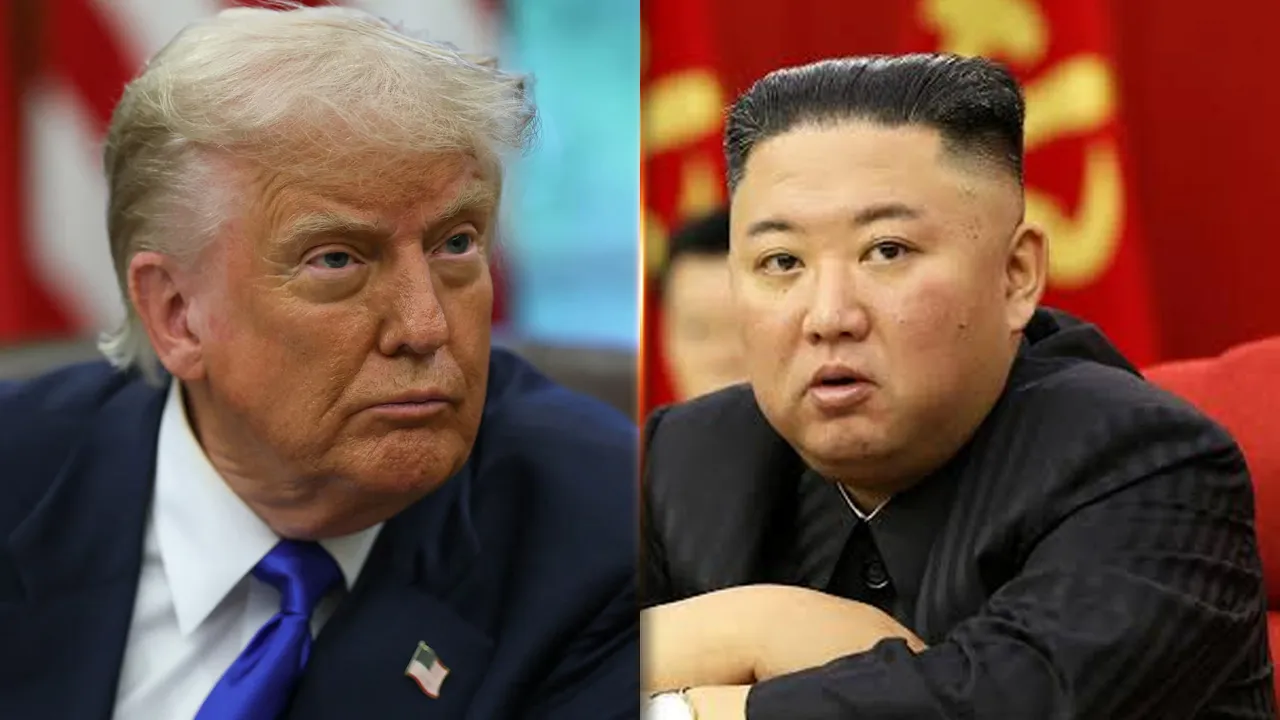
US President Donald Trump could seek to revive diplomacy with North Korean leader Kim Jong Un as the midterm election setback weakens his ability to advance his domestic agenda, but any attempt to secure a high-profile deal with Pyongyang could create friction with US allies in Asia.
Trump met Kim three times during his first term, including at a landmark summit in Singapore in 2018 and at the inter-Korean border the following year. The meetings failed to produce an agreement on North Korea's nuclear weapons programme or relief from international sanctions.
The political landscape is now more difficult for Trump, after election results that are expected to embolden congressional opposition ahead of the new Congress taking office next year.
If Trump presses too aggressively for renewed engagement with North Korea, he could face resistance in Washington, said Ban Gil-joo, an assistant professor at South Korea's Korea National Diplomatic Academy.
"If Trump pushes ahead with North Korea talks too aggressively, Congress could certainly push back," Ban said.
"Although the new Congress will not be formally in place until next year, voices of opposition are already gaining influence. If concerns arise, it could be seen as a failure to properly reflect the sentiments of US voters who voted to hold Trump accountable, further deepening his lame-duck status."
The setback could reduce the immediate appeal of a summit for Pyongyang, which has little reason to invest in talks with a US president whose political leverage is waning, Ban said.
"With the Trump administration losing political momentum and its ability to push forward with its policy agenda weakening, this is not a good time for North Korea to hold a summit with President Trump," he said.
North Korea has expanded and modernised its weapons programme since the collapse of Trump's diplomacy with Kim in 2019. It has also deepened ties with Russia and China, potentially strengthening its bargaining position in any future negotiations with Washington.
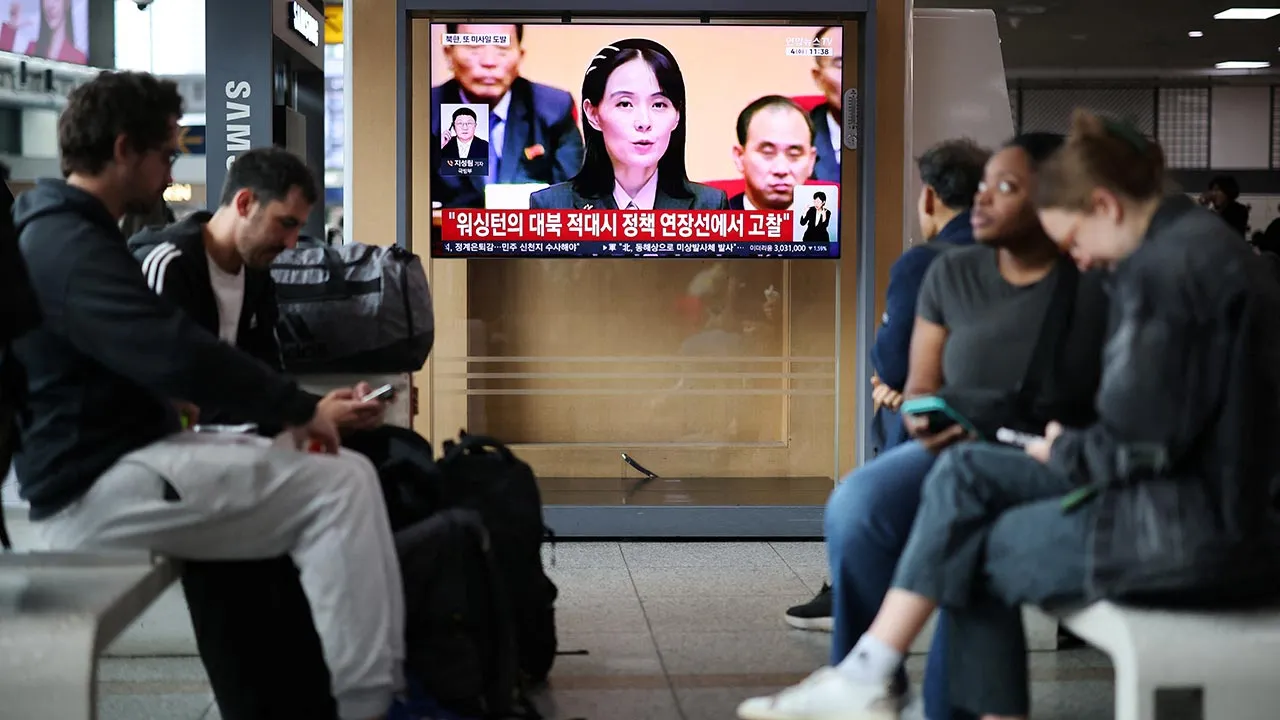
North Korean state media on Thursday (November 5) released a photograph appearing to show a missile launch, underlining Pyongyang's continued emphasis on military capability.
Ban said North Korea was likely to use Trump's domestic distractions to project strength and increase its leverage.
"North Korea's calculation is to project an image that it remains strong and intact, even as Trump is deeply absorbed in domestic issues, and ultimately use that to increase its leverage over the United States in negotiations," he said.
Still, Trump may eventually see foreign policy as one of the few areas where he can seek a major achievement as domestic opposition grows, Ban said.
"It is true that momentum for US-North Korea dialogue has weakened for the time being," he said. "Nevertheless, after a certain period, as President Trump faces growing pushback from Congress on domestic issues, he will have a stronger incentive to pursue foreign policy initiatives more effectively and turn them into achievements."
"At that point, he will likely try to push ahead with US-North Korea dialogue again," Ban said.
Any renewed Trump-Kim diplomacy is likely to be closely watched in Seoul and Tokyo, where officials have long worried that direct US-North Korea talks could sideline allies or dilute Washington's commitment to North Korea's denuclearisation.
A summit that appears to accept North Korea as a nuclear-armed state, or offers significant concessions without allied coordination, could deepen policy divisions among Washington, Seoul and Tokyo.
The White House said Trump has restored American strength on the global stage and strengthened ties with world leaders, in comments to Reuters.
It did not address questions on his plans for diplomacy with North Korea.