
AI Brief
- President Donald Trump imposed new tariffs on 14 major US trading partners, including China, India, Japan, South Korea, and several Southeast Asian countries.
- Tariff rates and trade deal statuses vary by country, with some agreements pending ratification and others facing potential increases if commitments are unmet.
- Malaysia continues consultations to keep tariffs below 19%, with the current 10% tariff for forced labour conditions remaining in effect.
BANGKOK: US President Donald Trump imposed a new round of tariffs on Wednesday on 14 major trading partners, including top economies in Asia such as China, India, Japan and South Korea.
Here is the status of their trade negotiations with the United States:
CHINA
Washington and Beijing reached a fragile truce after last year's trade war. Set to expire on January 10, it removes China's supply chain grip and the embargo-like tariffs.
It limits US tariff hikes to 20 percentage points, on top of levies of 25% carried over from Trump's first term. The latest US move reaches the maximum limit in the truce, but Washington retains the option to raise tariffs by a further 20 points if the deal collapses. A separate Board of Trade mechanism for US$30 billion of non-strategic products to flow in each direction free of tariffs is unaffected by the latest salvo. Trump and Xi are expected to meet in Miami next month.
JAPAN
Japan faces a tariff rate of up to 15%, matching the ceiling agreed in last year's trade talks in exchange for its commitment to invest US$550 billion in the United States.
Washington said it could raise the rate as high as 20% if it determines that Japan has fallen short of commitments, including US-bound investment obligations.
On Thursday Tokyo called the proposal "regrettable" as it pushed back against the US view that it contributes to structural excess capacity through policies that promote production and exports.
TAIWANPacts signed this year set US tariffs at 15%, while securing preferential treatment for semiconductors and other tech products, which make up more than 70% of Taipei's US exports. The deals provide for investments of US$250 billion by Taiwan companies in US semiconductors, energy and artificial intelligence, along with an additional credit guarantee of US$250 billion for further investment. Taiwan is investing US$4.4 billion in a new liquefied natural gas project in Alaska championed by Trump, though details have yet to be ironed out. Taipei said it was confident those terms would not change as a result of the US report on unfair trade practices.
SOUTH KOREA
Last year's trade deal lowered tariffs on South Korean exports to 15% from 25% in return for an investment package of US$350 billion, of which US$150 billion is earmarked for shipbuilding projects.
Seoul confirmed its first project in September, a gas-fired power plant project in Texas, after Trump criticised it for moving too slowly.
Trump has said South Korea would commit to more projects, including an LNG pipeline, but Seoul has been hesitant, saying it was still weighing their commercial viability.
The US Trade Representative maintained the 15% tariff rate on South Korea on Wednesday, but said it could rise depending on the outcome of follow-up consultations and progress in existing trade deals.
VIETNAM
Business representatives hope a trade deal under negotiation for more than a year can be struck in December, when Vietnam's leader attends a G20 summit in Florida. Hanoi has offered to buy more US goods, from agricultural products and aircraft to energy supply.
But Washington's calls for Vietnam to slim its US trade surplus and reliance on Chinese components for electronics have made little impact. Vietnam now has the largest trade surplus among US trading partners, with record imports from China.
INDIA
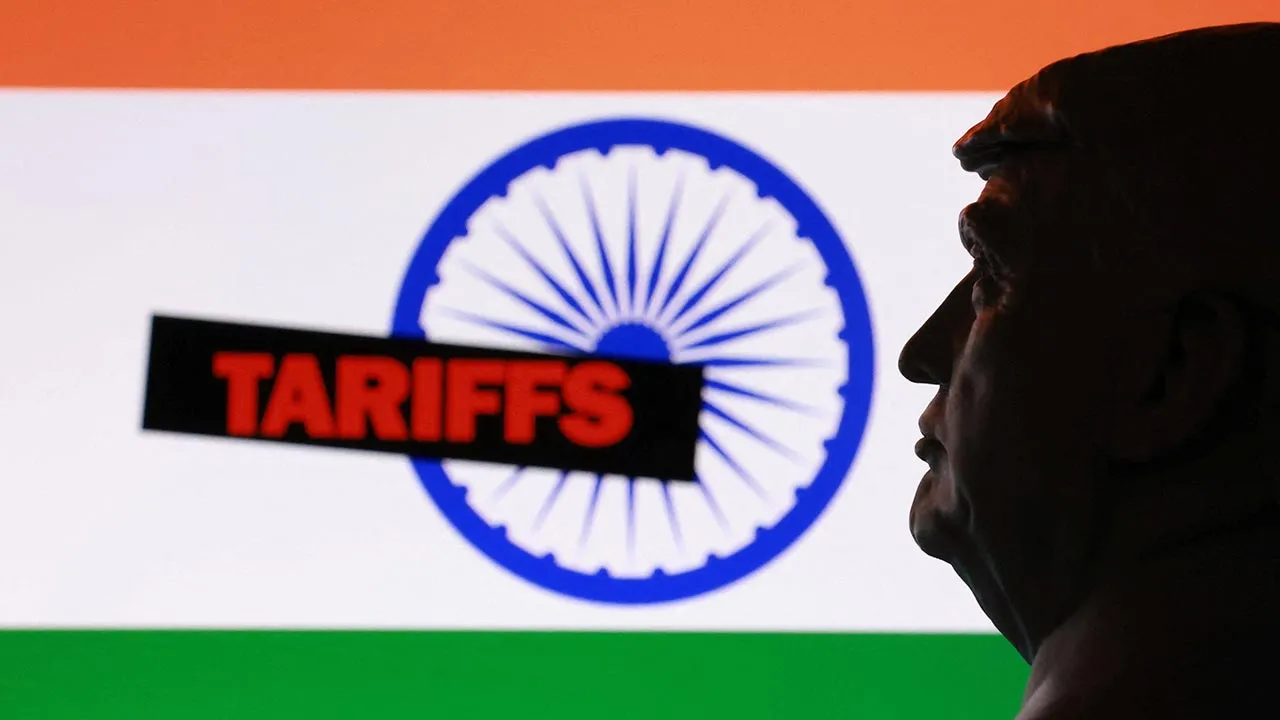
New Delhi and Washington agreed to a framework for a trade deal in February, which brought down to 18% from 50% a punitive tariff on most Indian goods.
When the Supreme Court invalidated Trump's tariffs, it left India at a 10% baseline rate, but a final trade deal remains elusive. The US is proposing a tariff of 25% it says will reduce to 17% if a deal is reached.
The trade ministry said it was committed to finalising a trade deal and had engaged "constructively" in the investigation, but India had no structural excess capacity in any sector.
BANGLADESH
A trade deal signed on February 9 set a tariff of 19% on most goods from Bangladesh, but neither side ratified it.
Washington's proposed tariff ranges up to 18% on grounds of structural excess manufacturing capacity, a rate it has said could rise to 20% if talks and commitments prove unsatisfactory.
THAILAND
A joint statement on key deal terms signed in Manila last week might not take effect for several months as it is not yet final.
Thailand said it aims to negotiate down the proposed new US trade tariff rate to below 18%, versus a current rate of 12.5%.
INDONESIA
A February trade deal signed in Washington cut US levies to 19% from 32% on goods from Southeast Asia's biggest economy, just a day before Trump's tariffs were struck down. Neither country had ratified the deal.
US officials told Indonesia it would get a tariff in line with a rate agreed in the deal after the US investigation of excess industrial capacity, top trade negotiator and senior economic minister Airlangga Hartarto said on Wednesday.
MALAYSIA
Malaysia will continue consultations with the United States to ensure total tariffs do not exceed 19%, as it was one of the first nations to sign a trade pact with Washington.
The trade ministry said the US Trade Representative told it the latest proposed tariff rate was only indicative, with a final rate to be decided in the first quarter of 2027.
Now only a tariff of 10% for forced labour conditions, imposed in July, is in effect.
The ministry said it did not have excess manufacturing capacity but would review imports from third countries to ensure Malaysia did not swell the global figure.
CAMBODIA
Cambodia faces a tariff of up to 18% that could increase to 25% if negotiations are not satisfactory, Washington has said. A 2025 trade pact signed with Trump set a 19% tariff on many products. The government did not immediately comment on the new tariffs and how they related to prior deals.