
AI Brief
- Scientists warn that global warming from fossil fuel emissions is accelerating, pushing key ecosystems like coral reefs and the Amazon rainforest toward irreversible tipping points.
- Critical thresholds, once crossed, could trigger self-reinforcing feedback loops, causing large, often irreversible changes that accelerate global warming and disrupt ecosystems.
- Vulnerable regions include Greenland and West Antarctic ice sheets, Arctic permafrost, the Amazon rainforest, Atlantic Ocean currents, and coral reefs, with urgent climate action deemed critical.
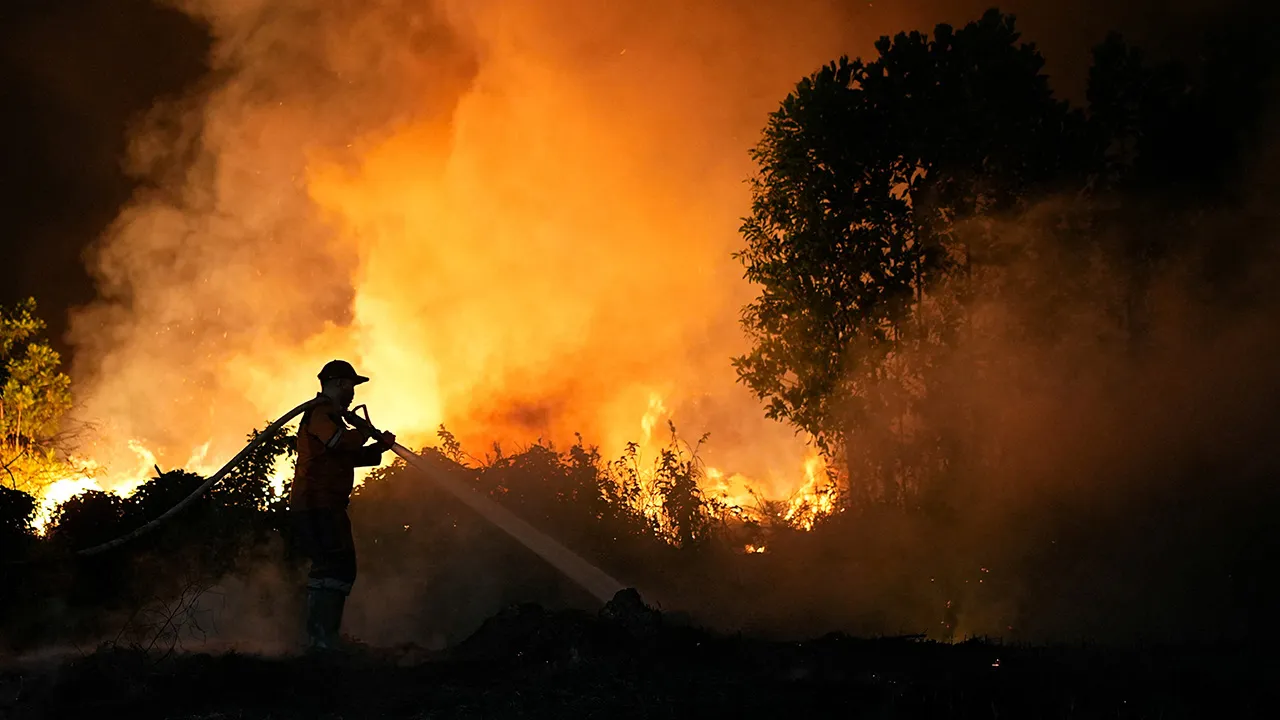
SCIENTISTS are warning that global warming caused by fossil fuel emissions is accelerating, pushing many of the Earth's most important ecosystems close to their tipping points.
They also warned that damage to coral reefs and the Amazon rainforest was close to becoming irreversible. Parts of the Atlantic Ocean circulation system, including the current that moderates Western Europe's climate with warm water from the Caribbean, were close to collapse.
The latest science confirms the world is on course to exceed a 1.5 degree Celsius (2.7 degrees Fahrenheit) rise in average surface temperature in the next few years, increasing the frequency and intensity of extreme weather events, he said, ahead of the United Nations' COP31 climate talks starting on November 9.
WHAT ARE TIPPING POINTS?
Climate tipping points are critical thresholds in Earth’s systems. Once crossed, they trigger large, often irreversible changes that accelerate global warming and disrupt ecosystems. These shifts are driven by self-reinforcing feedback loops such as melting ice reduces Earth’s reflectivity, causing more heat absorption and further melting.
Scientists warn that several tipping points are approaching as global temperatures rise beyond 1.5°C above pre-industrial levels. Key risks include the collapse of Greenland and West Antarctic ice sheets, which would lock in meters of sea-level rise; thawing Arctic permafrost releasing methane, a potent greenhouse gas; and Amazon rainforest dieback under heat and deforestation. The Atlantic Meridional Overturning Circulation, a major ocean current, could slow or collapse, disrupting weather and food systems worldwide. Coral reefs have already passed thermal limits, threatening marine biodiversity.
Crossing these thresholds could reshape the planet for centuries, making urgent climate action critical.
WHERE DO THEY OCCUR?
Scientists have identified several vulnerable regions:
Greenland and West Antarctic ice sheets – Collapse would lock in meters of sea-level rise.
Arctic permafrost – Thawing releases methane, a potent greenhouse gas.
Amazon rainforest – Risk of dieback under warming and deforestation.
Atlantic Meridional Overturning Circulation (AMOC) – A slowdown or collapse would disrupt global weather and food systems.
Coral reefs – Many have already passed thermal tipping points, threatening marine biodiversity.