

There are two major aspects of the sea condition that are taken into consideration in the search and recovery mission of the missing Boeing 777- MH370 aircraft.
An oceanographer from the Institute of Oceanography (INOS), Dr Mohd Fadzil Mohd Akhir said the two aspects include wave position and current circulation.
Fadzil, who is also a lecturer at Universiti Malaysia Terengganu, said the current location of the search which is in between the Straits of Malacca and the Thailand Gulf, holds rough sea condition and strong wave.
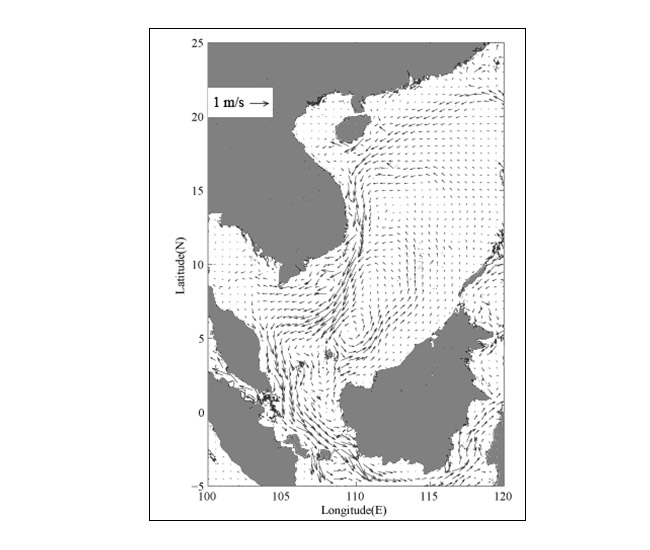
Another aspect would be the current circulation in this area. Should the plane crash into the sea, the fleet may drift according to the current circulation.
During this time of the year, the North-East monsoon current flows south from Vietnam towards Malaysian waters at a slow pace. And should the fleet float it can be drifted up to 15 knots per 24 hours. However, considering the possibility of the fleet sinking, it will remain at the bottom of the sea.
 Fadzil added that the bright sunlight beaming on the surface of the sea can also cause sun reflection that can be disturbing to the sights of the search team.
The depth of the South China Sea is about 100 metres and the drifting of any objects would be minimal.
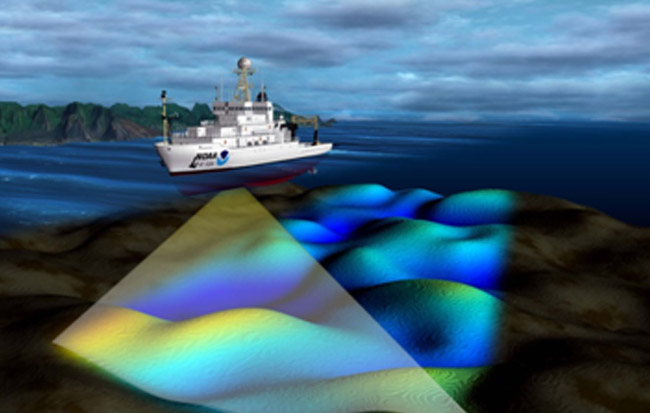
Fadzil also said, from an oceanographer's point of view, sonar is the best option for the search and rescue mission as it can scan through the ocean and provide details of the shape of the sea bed.
This technology is commonly used for scanning shipwreck, reef etc.
An oceanographer from the Institute of Oceanography (INOS), Dr Mohd Fadzil Mohd Akhir said the two aspects include wave position and current circulation.
Fadzil, who is also a lecturer at Universiti Malaysia Terengganu, said the current location of the search which is in between the Straits of Malacca and the Thailand Gulf, holds rough sea condition and strong wave.
Another aspect would be the current circulation in this area. Should the plane crash into the sea, the fleet may drift according to the current circulation.
During this time of the year, the North-East monsoon current flows south from Vietnam towards Malaysian waters at a slow pace. And should the fleet float it can be drifted up to 15 knots per 24 hours. However, considering the possibility of the fleet sinking, it will remain at the bottom of the sea.
Fadzil added that the bright sunlight beaming on the surface of the sea can also cause sun reflection that can be disturbing to the sights of the search team.The depth of the South China Sea is about 100 metres and the drifting of any objects would be minimal.
Fadzil also said, from an oceanographer's point of view, sonar is the best option for the search and rescue mission as it can scan through the ocean and provide details of the shape of the sea bed.
This technology is commonly used for scanning shipwreck, reef etc.