
AI Brief
- The United States approved export licences for nearly 900,000 advanced AI chips to Chinese companies between December 2025 and May 2026.
- Washington approved only 26 percent of requested chips, maintaining strategic control and conditional access for Chinese firms like Tencent, Alibaba, Baidu, and BYD.
- The policy reflects managed rivalry, balancing commercial ties and national security while preserving US leverage over China’s access to critical technology.
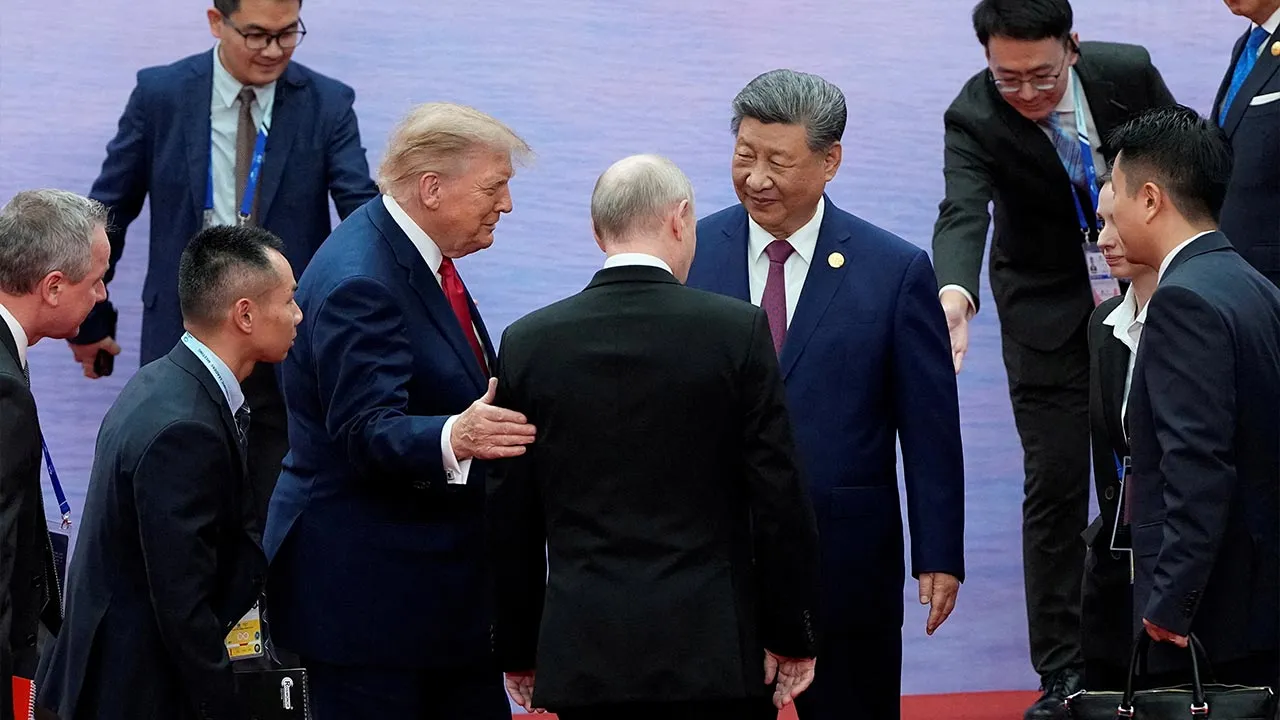
THE disclosure that the United States approved licences for nearly 900,000 advanced AI chips destined for Chinese companies is more than a story about semiconductors. It reveals the underlying logic of the Xi–Trump relationship: a rivalry managed through selective interdependence, where cooperation and restriction operate at the same time.
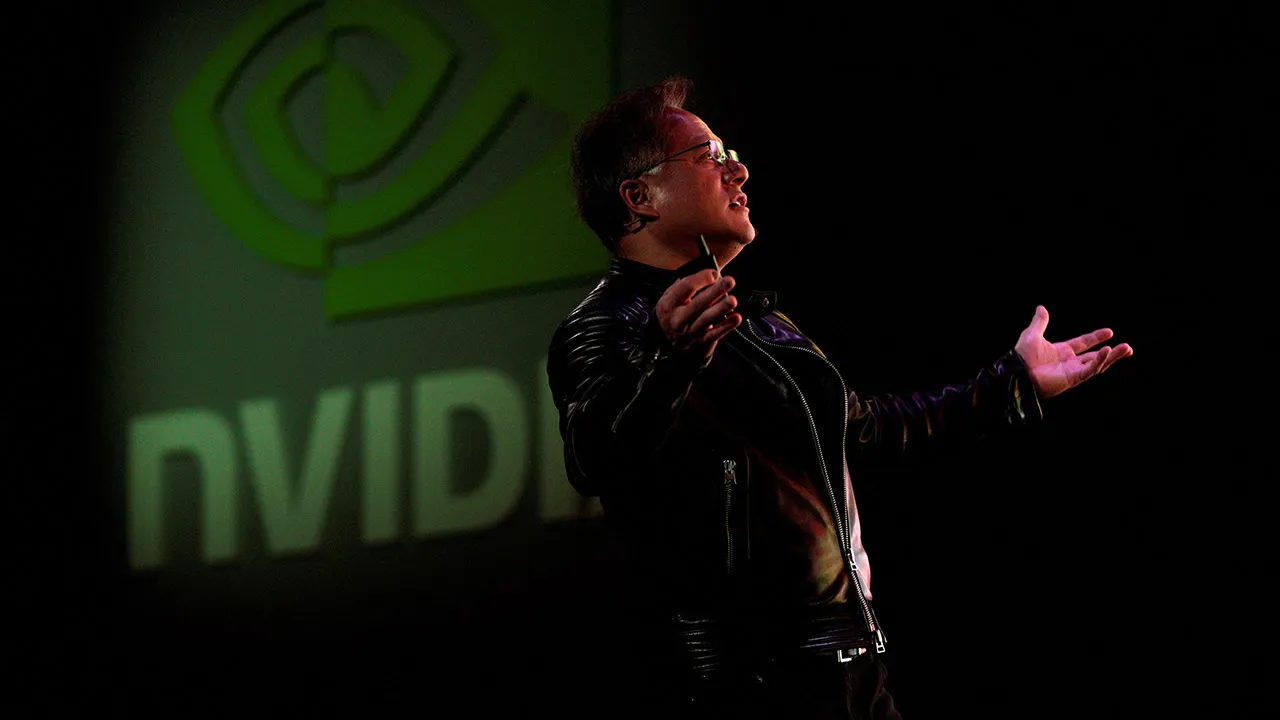
Between December 2025 and May 2026, the US Commerce Department approved export licences for 879,000 Nvidia H200 and AMD MI325X chips to Chinese buyers, according to documents released by the House Foreign Affairs Committee. The approvals included 150,000 chips for Tencent, 75,000 for Alibaba, 43,000 for Baidu, and 4,000 for BYD.
Not an Open Door
This was not an unrestricted flow of American technology into China. Chinese firms had requested permission to export 3.4 million chips during the period, but Washington approved fewer than 900,000—roughly 26 percent of the total.
That gap is the point. The United States is not pursuing a total technology embargo, but neither is it allowing China unrestricted access to the hardware that underpins advanced artificial intelligence. Export licences give Washington a continuing lever: it can decide which companies receive chips, under what conditions, and whether future shipments proceed.
The result is a controlled channel. American chipmakers retain a market; Chinese firms retain some access to leading-edge compute; and the US government retains the ability to tighten or cut off that access when strategic interests demand it.
A Relationship of Leverage
For President Donald Trump, allowing limited licensed exports can serve several purposes at once. It preserves commercial opportunities for Nvidia and AMD, keeps American technology embedded in China’s AI ecosystem, and gives Washington a bargaining instrument in a broader relationship marked by trade, security, and geopolitical competition.
It also avoids a simplistic policy choice. A complete cutoff might accelerate China’s efforts to build an independent semiconductor industry, while unrestricted sales could strengthen Chinese AI capabilities. Conditional access offers a middle path: enough openness to preserve influence and commercial ties, but enough restriction to preserve strategic leverage.
For President Xi Jinping, the arrangement is equally pragmatic. China wants advanced chips, but it also understands that dependence on American suppliers carries risk. Licensed imports can support Chinese AI development in the short term, while Beijing continues investing in domestic alternatives designed to reduce that dependence over time.
Constructive, But Conditional
The phrase “constructive strategic stability” is useful precisely because it captures this contradiction. Following the Xi–Trump summit, Chinese officials described an agreement to build a constructive relationship of strategic stability, including cooperation on artificial-intelligence safety and commercial concerns.
But stability does not mean harmony. Both governments are trying to prevent the relationship from collapsing into open conflict while continuing to compete for technological, economic, and military advantage.
In that sense, the chip approvals are not a contradiction of US policy toward China. They are an expression of it. Washington is willing to let some American chips reach Chinese buyers, but only through a system that preserves American discretion and strategic control.
The Security Problem
The policy is nevertheless politically combustible. The House committee highlighted that some approved recipients appeared on the Pentagon’s list of alleged Chinese military-backed companies. That has fuelled criticism that commercial engagement may indirectly support China’s military, surveillance, or strategic AI capabilities.
Nvidia has said the licences were subject to strict conditions and limited volumes, while AMD said it complies with US export-control law. Nvidia also said it has since stopped shipping H200 chips to China.
There is another important qualification: an approved licence does not prove that a chip was delivered. Reports note that it remains unclear how many approved chips actually reached China, and a Commerce official testified earlier that shipments had begun but were “very few.”
Managed Rivalry
The deeper lesson is that the United States and China are not simply decoupling. They are restructuring their economic relationship around strategic dependence, national security, and bargaining power.
For the United States, the policy preserves export controls and strategic leverage; for China, it secures access to advanced computing power. Washington retains market access and bargaining tools, while Beijing seeks to avoid a damaging economic rupture. The United States aims to slow China’s military AI advantage, even as China invests in technological self-reliance over time. Diplomatically, both sides want to prevent escalation and crisis, though each also wants a more stable relationship on its own terms. At home, Washington must appear firm without imposing excessive economic costs, while Beijing must demonstrate resilience while still gaining access to critical American technology.
American chips do get through to China—but only when, where, and in the quantities Washington permits. That is the essence of the current arrangement: not free trade, not total confrontation, but a carefully managed form of strategic interdependence.
The relationship between Xi and Trump is therefore best understood as conditional cooperation inside enduring rivalry. Both sides want stability, commercial ties, and a way to avoid catastrophic escalation. Neither is willing to surrender the levers of power that make the other side’s access to critical technology contingent.
Phar Kim Beng, PhD, is Professor of ASEAN Studies and Director of the Institute of Internationaliation and ASEAN Studies (IINTAS) at the International Islamic University Malaysia.
Luthfy Hamzah is Senior Research Fellow at IINTAS and a specialist in trade, political economy, and strategic diplomacy in Northeast Asia.
** The views and opinions expressed in this article are those of the author(s) and do not necessarily reflect the position of Astro AWANI.